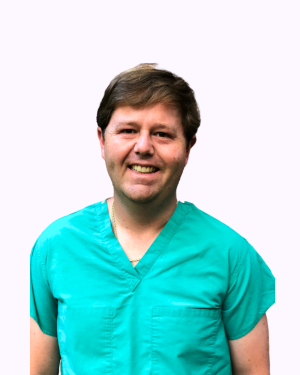
Diagnosed with a juvenile pilocytic astrocytoma at just four years old, William Knight underwent three brain surgeries and three and a half years of chemotherapy. Inspired by the doctors who cared for him, he eventually followed in their footsteps.
When Dr William B. Knight was just four years old, he began experiencing daily headaches that were often so severe they became debilitating.
In February 1991, doctors discovered the cause: a juvenile pilocytic astrocytoma, a slow-growing brain tumour located deep within his brain.
What followed was a childhood dominated by hospital appointments, three brain surgeries and years of chemotherapy. When William developed a life-threatening allergic reaction to his chemotherapy, his medical team faced the difficult challenge of finding a way to continue treating his tumour.
An experimental desensitisation treatment eventually made that possible.
But William’s story is not only about surviving a childhood brain tumour.
The doctors and healthcare professionals who supported him left such a lasting impression that he decided to become a doctor himself.
When he shared his story with Aunty M Brain Tumours in January 2021, William was working as a family medicine physician in his hometown of Savannah, Georgia, USA.
Having once been the young patient relying on doctors for help, he was now caring for people facing frightening diagnoses of their own.
Daily Headaches Led to a Brain Tumour Diagnosis at Four Years Old
William’s brain tumour journey began when he was just four years old.
For several months, he experienced daily headaches that were often debilitating.
Headaches in children can have many different causes, and most are not related to brain tumours. However, William’s persistent symptoms eventually led to further investigations.
In February 1991, he was diagnosed with a juvenile pilocytic astrocytoma.
A pilocytic astrocytoma is generally classified as a grade 1 brain tumour. Although these tumours are usually slow-growing, their location can make them difficult to treat.
For William, the tumour was situated near the centre of his brain, close to important surrounding structures.
This meant that even though the tumour was considered low-grade, further growth could cause permanent neurological damage.
Doctors recommended surgery.
For William and his family, this was the beginning of several difficult years of treatment.
Three Brain Surgeries During Childhood
Following his diagnosis, William underwent two brain surgeries.
The aim was to remove as much of the tumour as safely possible.
However, the tumour’s position made treatment challenging.
Surgeons must consider the risks of damaging surrounding healthy brain tissue when removing a tumour, particularly when it is located close to structures responsible for important neurological functions.
Although William had undergone two operations, the remaining tumour continued to grow.
His medical team recommended chemotherapy to try to control it.
Unfortunately, his treatment was about to become considerably more complicated.
Why Did William Need Chemotherapy for a Non-Cancerous Brain Tumour?
One question William was often asked was why he needed chemotherapy when his tumour was considered non-cancerous.
It is an understandable question.
Many people assume that if a brain tumour is described as benign or low-grade, it cannot cause serious problems.
But that is not necessarily the case.
William’s pilocytic astrocytoma was located deep within his brain.
Although it was slow-growing, any further enlargement could put pressure on surrounding structures and cause lasting damage.
Chemotherapy was therefore recommended to help control the tumour’s growth.
William received a chemotherapy drug called carboplatin, which has been used to treat certain childhood low-grade brain tumours.
However, during his treatment, he experienced a severe allergic reaction.
A Life-Threatening Allergic Reaction to Chemotherapy
William developed an anaphylactic reaction to carboplatin.
Anaphylaxis is a severe allergic reaction that can be life-threatening and requires immediate medical treatment.
The reaction meant that his chemotherapy had to be stopped.
This created a difficult situation.
The tumour was continuing to grow, but William had developed a serious allergy to the medication being used to treat it.
His medical team needed to find another way forward.
William underwent a third brain surgery, during which surgeons again removed part of the tumour.
But because it was not possible to remove all of it safely, further treatment was still needed.
That was when doctors considered an experimental approach.
The Experimental Treatment That Allowed William to Continue Chemotherapy
Following his third operation, William’s medical team introduced an experimental chemotherapy desensitisation protocol.
Drug desensitisation is a carefully controlled medical procedure that may allow some patients with a previous allergic reaction to receive a medication they still need.
Under specialist supervision, the drug is administered according to a carefully planned protocol designed to reduce the likelihood of another serious reaction.
For William, the approach was successful.
Despite his previous anaphylactic reaction, he was able to continue receiving carboplatin.
He eventually completed a total of three and a half years of chemotherapy.
His treatment finished in February 1996.
It was an important achievement after everything he had experienced.
How William’s Treatment Helped Other Patients
One particularly significant part of William’s story is that the desensitisation approach used during his treatment contributed to medical research.
William explained that the protocol was later published in a medical journal.
The research helped demonstrate that carefully supervised desensitisation could provide an option for some patients who experienced allergic reactions to essential chemotherapy drugs.
Not every patient is suitable for this approach, and it does not guarantee that further allergic reactions can be prevented.
However, William’s experience became part of a wider effort to improve treatment options for people who might otherwise have to discontinue chemotherapy.
It is an extraordinary part of his journey.
The experimental treatment that helped him as a child also contributed to knowledge that could help other patients in the future.
Stable MRI Scans After Childhood Brain Tumour Treatment
After three brain surgeries and years of chemotherapy, William finally completed his treatment in February 1996.
When he shared his story in January 2021, he explained that his MRI scans had remained stable since then.
This was an important milestone, particularly given the difficulties he had experienced with tumour growth during childhood.
William also considered himself fortunate to have experienced relatively few noticeable long-term side effects.
However, he recognised that not everyone who undergoes brain tumour treatment has the same experience.
Some survivors face lasting physical, neurological, cognitive or emotional difficulties, even many years after their treatment has finished.
William believed that one of the greatest challenges for brain tumour survivors was helping other people understand what they had been through.
The Hidden Challenges of Surviving a Childhood Brain Tumour
When asked about the toughest challenges brain tumour survivors face, William reflected on how a diagnosis can change someone’s life permanently.
Even when treatment is successful, the experience of surgery, chemotherapy or radiotherapy can remain with someone long afterwards.
He recognised that people who have never experienced a brain tumour may struggle to understand the physical and emotional challenges involved.
This can be particularly difficult for childhood survivors who grow up with memories of hospital treatment and medical uncertainty.
William also noticed that people responded differently when they learned about his history.
Some were surprised, while others struggled to understand how someone who had undergone such extensive treatment could appear to be doing well.
His experience highlights an important point.
There is no single way to experience or recover from a brain tumour.
Some people live with significant long-term difficulties, while others may have few noticeable effects.
Neither experience makes the diagnosis or treatment any less serious.
The Doctors Who Inspired William to Become a Physician
One of the most meaningful parts of William’s story is how his experiences as a child influenced his future career.
During his years of treatment, he received care at Duke University Medical Center in North Carolina.
The doctors and healthcare professionals who looked after him became important role models.
William was particularly inspired by Dr Henry Friedman, a paediatric neuro-oncology specialist who helped care for him.
He also remembered the child life specialists at Duke, who supported him during his chemotherapy.
Child life specialists help children and families cope with illness, medical procedures and hospital experiences through age-appropriate emotional support, preparation and activities.
For a young child spending so much time in hospital, their contribution could make a real difference.
William explained that he had felt called to become a doctor from around the age of ten.
His experiences during treatment strengthened that ambition.
Rather than being discouraged by the years he had spent in hospital, he wanted to help people in the same way others had helped him.
From Brain Tumour Patient to Family Medicine Doctor
After completing his treatment, William continued his education and eventually qualified as a doctor.
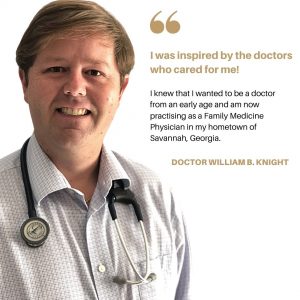
When he shared his story with Aunty M Brain Tumours, he was practising family medicine in Savannah, Georgia, the city where he grew up.
Family medicine doctors provide ongoing healthcare for patients of different ages, treating a wide variety of medical conditions and helping people manage their long-term health.
For William, the role was particularly meaningful because of his childhood experiences.
He understood what it felt like to be a patient receiving frightening medical news.
He also knew how important it was to have doctors who listened, explained information clearly and supported their patients through difficult decisions.
By 2021, William had cared for several patients with brain tumours, alongside others affected by cancers such as breast, lung and prostate cancer.
He felt a particular connection with patients facing serious diagnoses.
Having once been in their position, he wanted them to feel comfortable discussing their fears and concerns with him.
His own experiences had shaped the kind of doctor he wanted to become.
Why His Mother Was So Important During Treatment
When William reflected on what motivated him throughout his childhood illness, one person stood out.
His mother.
She was consistently by his side during his diagnosis, surgeries and chemotherapy.
William was very young when his treatment began, and much of his childhood involved relying on adults to help him understand what was happening.
His mother’s presence provided reassurance during an uncertain period.
For parents of children diagnosed with brain tumours, the emotional and practical demands can be considerable.
Alongside worrying about their child’s health, they may have to manage hospital appointments, treatment schedules, family responsibilities and difficult medical decisions.
William recognised how much his mother had done to support him.
Her encouragement remained an important part of how he remembered those years.
How Faith Helped William Through Chemotherapy
William also spoke openly about the importance of his Christian faith.
As a child undergoing chemotherapy, he believed that God had a purpose for his life.
His faith offered comfort during treatment and helped him maintain his ambition to become a doctor.
One Bible verse remained particularly meaningful to him:
Jeremiah 29:11
William explained that this scripture had supported him during chemotherapy and throughout the years of studying and training required to become a physician.
For him, faith was not only something he turned to when he was ill.
It continued to influence how he approached his life and medical career.
Everyone finds comfort in different places when facing serious illness.
For William, the combination of his mother’s support, his faith and the encouragement of his medical team helped him through some of the most difficult years of his childhood.
The Small Things That Helped William Cope With Chemotherapy
During his years of treatment, William discovered that music could provide a welcome escape.
Listening to music helped distract him from the difficulties of chemotherapy and the experience of spending so much time in hospital.
He also enjoyed audiobooks, particularly during the long journeys to and from Duke University Medical Center.
These simple activities gave him something enjoyable to focus on outside his medical treatment.
When asked what might make a good gift for someone undergoing brain tumour treatment, William suggested music and audiobooks.
His suggestions are a reminder that supporting someone through treatment does not always require an elaborate gesture.
Sometimes a thoughtful gift that provides entertainment, comfort or distraction can be especially meaningful.
Finding Happiness Through Nature Photography
Away from his medical career, William also developed a passion for photography.
He particularly enjoyed photographing nature, sunsets and beautiful landscapes.
Photography allowed him to spend time outdoors and appreciate the small details of everyday life.
It also gave him a creative way to share the things that brought him happiness.
For William, photography was more than simply taking pictures.
It was an opportunity to recognise and capture moments of beauty.
After spending so much of his early life dealing with illness and medical treatment, he valued opportunities to enjoy the world around him.
William’s Advice for People Facing a Brain Tumour Diagnosis
Having experienced a childhood brain tumour diagnosis and later trained as a doctor, William offered advice from both a patient and medical professional’s perspective.
His message centred on perseverance, good medical care and the importance of having people around you who offer support.
Don’t Give Up
William encouraged people facing difficult diagnoses not to give up hope.
His own treatment had involved several setbacks, including repeated tumour growth and a serious chemotherapy allergy.
But his medical team continued looking for treatment options.
His experience showed how important it can be to explore appropriate medical possibilities, even when an initial approach is unsuccessful.
Find a Medical Team You Trust
One of William’s strongest recommendations was to find healthcare professionals who listen to your concerns and explain your options clearly.
Having confidence in your medical team can make a significant difference during treatment.
William also encouraged patients and families not to hesitate to seek a second opinion when they feel it is necessary.
A second opinion can provide additional information, clarify treatment choices or help someone feel more confident about a decision.
Surround Yourself With Supportive People
William recognised the importance of family and friends throughout the brain tumour journey.
His mother’s support had been invaluable during childhood, and he understood how much it meant to have people who genuinely cared about his wellbeing.
For patients and families, having someone to attend appointments, listen to concerns or provide practical help can make difficult periods easier to manage.
Nobody should feel they have to face a brain tumour diagnosis entirely alone.
What Is a Pilocytic Astrocytoma?
A pilocytic astrocytoma is a usually slow-growing, grade 1 brain tumour that develops from cells called astrocytes, which support the brain and central nervous system.
Pilocytic astrocytomas are most commonly diagnosed in children and young people, although they can also occur in adults.
They may develop in different parts of the brain, including the cerebellum, optic pathways, brainstem and other areas.
Although they are generally considered low-grade tumours, their effects depend on their size, location and whether they can be safely removed.
What Are the Symptoms of a Pilocytic Astrocytoma?
Symptoms differ depending on where the tumour develops.
Possible symptoms include:
- Persistent or worsening headaches
- Nausea and vomiting
- Problems with balance or coordination
- Changes in vision
- Weakness or changes in movement
- Fatigue and changes in energy levels
- Symptoms caused by increased pressure within the skull
In William’s case, the earliest noticeable symptom was persistent, debilitating headaches.
However, symptoms like headaches are common and do not usually mean someone has a brain tumour. New, persistent or worsening neurological symptoms should be assessed by a healthcare professional.
How Is a Pilocytic Astrocytoma Treated?
Surgery is often the preferred treatment when a pilocytic astrocytoma can be removed safely.
For some patients, complete removal may provide long-term tumour control without the need for further treatment.
However, surgery is not always straightforward.
When a tumour is located close to important brain structures, surgeons may decide that removing all of it would carry too much risk.
In these cases, treatment may involve further monitoring, chemotherapy, radiotherapy or other treatments, depending on the patient’s age, tumour characteristics and individual circumstances.
William’s story is an example of why chemotherapy may sometimes be required for a low-grade brain tumour.
Despite undergoing multiple operations, his tumour continued growing in a location where further enlargement could cause permanent damage.
Chemotherapy helped provide another way of controlling the disease.
Why William’s Story Matters
William’s experiences highlight several important aspects of living with a childhood brain tumour.
He was only four years old when he received his diagnosis.
Over the following years, he underwent three brain surgeries and three and a half years of chemotherapy.
He also experienced a life-threatening allergic reaction to an essential chemotherapy drug.
Yet the medical professionals who cared for him found a way to continue treatment, and their work contributed to research that could help other patients.
When William completed chemotherapy in February 1996, he had already spent a significant part of his childhood receiving medical care.
Those years could easily have left him wanting to avoid hospitals for the rest of his life.
Instead, they helped inspire his future.
William grew up to become a physician, caring for people in the community where he had been raised.
His experiences as a patient gave him a personal understanding of the fears and uncertainties people can face when receiving a serious diagnosis.
And the doctors who once helped him through treatment became the inspiration for the doctor he wanted to be.
William’s journey is a reminder that a brain tumour diagnosis can shape someone’s life in ways that extend far beyond the treatment itself.
Every person’s outcome will be different, and not everyone will have the same opportunities or recovery experiences.
But William’s story demonstrates the importance of medical progress, compassionate healthcare and the people who support patients through difficult times.
It also reminds us that childhood brain tumour survivors grow up.
They build lives, pursue careers, develop interests and carry their experiences into adulthood.
For William, those experiences became an important part of how he helps others.
Thank you to Dr William B. Knight for sharing his pilocytic astrocytoma story with Aunty M Brain Tumours. His experiences provide a valuable insight into childhood brain tumour treatment, long-term survivorship and the lasting influence of compassionate medical care.
This story reflects William’s experiences as shared in January 2021. His health and professional circumstances may have changed since the original interview.
Read More Pilocytic Astrocytoma Stories
William’s experience is one of many different journeys following a pilocytic astrocytoma diagnosis.
Some people are diagnosed during childhood, while others discover their tumour as adults. Treatment, recovery and the long-term effects can vary considerably.
You can also read Hannah’s Pilocytic Astrocytoma Story, which shares her experiences of childhood brain tumour surgery and a further diagnosis shortly after giving birth.
Every person’s story is different, but sharing these experiences can help people newly diagnosed with a brain tumour feel less alone.
Where to Go After a Pilocytic Astrocytoma Diagnosis
If you or someone you care about has been diagnosed with a pilocytic astrocytoma, there are organisations that offer reliable information, practical guidance and emotional support.
The Brain Tumour Charity
https://www.thebraintumourcharity.org/
Provides information about brain tumour types, diagnosis, treatment, recovery and support for people affected by brain tumours and their families.
Brainstrust
Offers personalised support to people living with brain tumours, including assistance with navigating medical appointments, treatment decisions and life after diagnosis.
Brain Tumour Support
https://www.braintumoursupport.co.uk/
Provides practical and emotional support for individuals and families affected by brain tumours.
Pediatric Brain Tumor Foundation (USA)
Supports children and families affected by paediatric brain tumours through information, programmes and research initiatives.
Your Specialist Medical Team
Children and adults diagnosed with pilocytic astrocytoma may require care from neurosurgeons, neuro-oncologists, rehabilitation specialists and other healthcare professionals.
Your medical team can advise on appropriate treatment, follow-up scans and support for any long-term difficulties.
Medical disclaimer: This article shares William’s personal experiences and provides general information for awareness and peer support. It is not intended to replace advice, diagnosis or treatment from qualified healthcare professionals.


Claire Bullimore is an influential figure in the brain tumour community. She embarked on her brain tumour journey and was diagnosed with an intraventricular meningioma. In response to her experiences, Claire founded ‘Aunty M Brain Tumours,’ a platform dedicated to sharing brain tumour stories. Based in London, England, Claire also identifies as a blogger and speaker for Aunty M Brain Tumours, shedding light on the challenges faced by those diagnosed and amplifying their voices for better awareness and support. Through her dedication and advocacy, Claire’s efforts have been recognized by Brain Tumour Research and other organizations, spotlighting her commitment to making a positive difference for individuals impacted by brain tumours.