Why Earlier Diagnosis Matters – Dr Victoria McBride on Missed Symptoms, GP Education and Hope
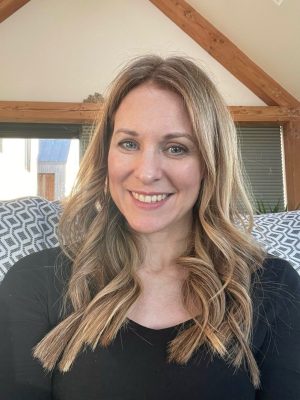
I had the privilege of speaking with Dr Victoria McBride about why she has become such a passionate voice for earlier diagnosis.
Victoria’s mission is deeply personal. In 2021, her nephew Scott was diagnosed with a glioblastoma after months of repeated GP appointments where warning signs were missed. His story is both heartbreaking and inspiring — and it has fuelled her determination to improve awareness of brain tumour symptoms across primary care.
A Family Story That Changed Everything
Scott was just 26 years old when subtle symptoms began.
It started with unusual sensations in his right leg. Later, those symptoms spread to his right arm. Over time, he developed speech difficulties. Yet despite attending multiple GP appointments over around ten months, he was repeatedly reassured that the symptoms were likely nothing serious.
Eventually, in October 2021, Scott was admitted to hospital in crisis with dangerously raised pressure in his head. He underwent emergency treatment followed by neurosurgery, where he was diagnosed with a glioblastoma.
Thankfully, Scott came through surgery and treatment, including radiotherapy and chemotherapy, and is doing well today.
But for Victoria and her family, the experience left lasting questions:
Why were the warning signs not recognised sooner?
Watch Claire Bullimore and Dr Victoria McBride’s interview on the Aunty M Brain Tumours Talk Show below, or keep reading for the written version
The Problem With “Looking at One Symptom at a Time”
One of the biggest themes from our conversation was how brain tumours can be missed when symptoms are viewed in isolation rather than as a developing pattern.
Victoria explained that headaches alone are common and usually not caused by something serious. But headaches plus other symptoms — such as:
- Vision changes
- Speech problems
- Personality or memory changes
- Weakness or altered sensation
- Coordination issues
- Evolving neurological symptoms
…should prompt closer investigation.
She believes one of the key lessons is the importance of reviewing the full picture across multiple appointments.
Why Continuity of Care Matters
Like many patients, Scott saw different doctors at different appointments. Without continuity, patterns can be harder to spot.
Victoria said that when symptoms are changing or progressing over time, healthcare professionals need systems and prompts that encourage them to look back at previous consultations and ask:
- Is this part of a bigger picture?
- Are symptoms worsening?
- Is this now beyond reassurance?
That message resonated strongly with me, because I experienced something similar before my own diagnosis.
A New GP Toolkit to Improve Brain Tumour Diagnosis
The hopeful part of this story is that change is already happening.
Victoria is now working with Royal College of General Practitioners and The Brain Tumour Charity to create a new educational toolkit for GPs.
The aim is to help doctors:
- Recognise red flag combinations of symptoms
- Identify evolving neurological changes earlier
- Understand referral routes in their local area
- Feel confident referring patients for further investigation
- Reduce avoidable delays in diagnosis
She is clear that no toolkit will solve every case. Some tumours present suddenly and unpredictably. But where opportunities exist to diagnose earlier, they should be taken.
Earlier Diagnosis Can Change Outcomes
Victoria made a powerful point during our conversation:
Even when earlier diagnosis cannot change the prognosis of a tumour, it can still change the patient’s outcome.
That may mean:
- Preserving sight or hearing
- Preventing neurological damage
- Avoiding emergency hospital admissions
- Giving families more time together
- Reducing trauma and uncertainty
- Helping people access treatment sooner
Those are life-changing differences.
Is Being a GP Still Worth It?
We also spoke about the pressures facing general practice today.
Despite the challenges, Victoria’s answer was immediate: absolutely.
She described being a GP as one of the most rewarding jobs in medicine — a role built not just on clinical skill, but on relationships, instinct, and understanding patients over time.
Her message to future doctors was clear: general practice matters, and great GPs change lives every day.
Thank You to the Brain Tumour Community
Victoria also wanted to recognise the incredible people helping to drive awareness, including campaigners, families, patients, and organisations who continue to share painful stories in the hope of saving others from delayed diagnosis.
That courage is what moves progress forward.
Final Thoughts
Scott’s story is a reminder that we need to keep talking about brain tumours, keep improving awareness, and keep listening when patients say something isn’t right.
Because sometimes the biggest warning sign is not one symptom — it is the pattern.
And spotting that pattern sooner could change everything.
 |
 |
 |

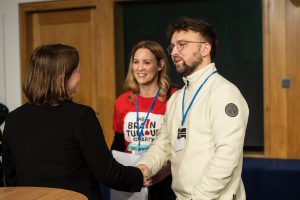
Claire Bullimore is an influential figure in the brain tumour community. She embarked on her brain tumour journey and was diagnosed with an intraventricular meningioma. In response to her experiences, Claire founded ‘Aunty M Brain Tumours,’ a platform dedicated to sharing brain tumour stories. Based in London, England, Claire also identifies as a blogger and speaker for Aunty M Brain Tumours, shedding light on the challenges faced by those diagnosed and amplifying their voices for better awareness and support. Through her dedication and advocacy, Claire’s efforts have been recognized by Brain Tumour Research and other organizations, spotlighting her commitment to making a positive difference for individuals impacted by brain tumours.