Brain Surgery, Recurrence and Life After Treatment
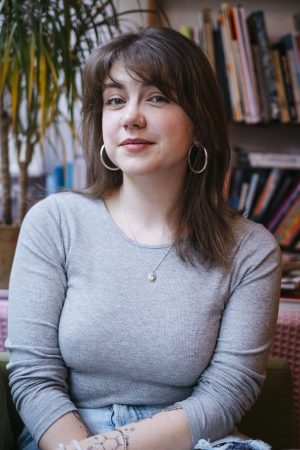
Diagnosed with a grade 1 pilocytic astrocytoma at just 20 years old, Grace Latter shares her experiences of unexpected symptoms, two brain surgeries, radiotherapy and learning to navigate life after a brain tumour.
Imagine being in your final year at university, looking forward to graduating and beginning the next chapter of your life, when suddenly your body starts behaving in ways you cannot explain.
For Grace Latter, that became her reality in 2014.
At just 20 years old, Grace began experiencing unusual symptoms. She was becoming increasingly clumsy, struggling with her balance and losing control of movements on the right side of her body.
These weren’t the headaches or vision problems many people immediately associate with a brain tumour.
After a frustrating journey to find answers, Grace was diagnosed with a grade 1 pilocytic astrocytoma, a type of brain tumour that is generally slow-growing but can still cause significant neurological difficulties.
Her diagnosis led to two craniotomies, radiotherapy and an emotional recovery that proved just as important as the physical one.
During Brain Tumour Awareness Month in March 2024, I welcomed Grace onto the Aunty M Brain Tumours Talk Show to share her experiences.
We talked about those early warning signs, the difficulties of getting a diagnosis, learning to live with the after-effects of treatment and why speaking openly about mental health matters.
Grace also shared how becoming involved with The Brain Tumour Charity helped her find a community of people who understood what she had been through.
Watch Grace tell her story in full in the Aunty M Brain Tumours Talk Show interview below, or keep reading for the written version
When Clumsiness Turned Out to Be a Brain Tumour Symptom
In early 2014, Grace was studying creative writing and drama at the University of Winchester.
Like many students in their final year, she had plenty to think about without having to worry about her health.
But Grace began noticing changes in how her body was functioning.
She was struggling with her balance, becoming unusually clumsy and experiencing problems controlling the right side of her body.
Everyday movements that should have been straightforward were becoming more difficult.
What made her experience particularly challenging was that these symptoms didn’t necessarily point towards a brain tumour.
When Grace initially sought medical advice, her concerns were not immediately recognised as signs of something serious.
During our conversation, she reflected on how frustrating that period had been.
She knew something wasn’t right, yet finding an explanation wasn’t straightforward.
Eventually, further investigations revealed the cause of her symptoms.
Grace had a brain tumour.
At an age when she should have been concentrating on university and her future, she was suddenly facing brain surgery.
Diagnosed with a Grade 1 Pilocytic Astrocytoma at 20
Grace was diagnosed with a grade 1 pilocytic astrocytoma.
A pilocytic astrocytoma is a type of glioma that develops from cells called astrocytes, which support nerve cells in the brain.
These tumours are generally slow-growing and are more commonly diagnosed in children and young adults.
Although grade 1 is the lowest tumour grade, that doesn’t mean the experience is necessarily straightforward.
The effects of a brain tumour can depend greatly on its size, location and the surrounding structures it affects.
For Grace, her tumour was affecting important areas involved in movement and coordination.
She later learned that her tumour may have been growing for many years before it was discovered.
This was something I found particularly interesting about her story.
A slow-growing tumour can sometimes be present for a long time before symptoms become noticeable. And when symptoms do appear, they may not be what someone expects.
Grace’s experience demonstrates why there isn’t one typical set of symptoms that every brain tumour patient will experience.
Brain Surgery and the Joy of Being Able to Write Again
Following her diagnosis, Grace underwent a craniotomy to treat her tumour.
Brain surgery is a daunting prospect at any age, but having to face it while still at university brought a completely unexpected interruption to her life.
One of the symptoms Grace had experienced before surgery was difficulty controlling her hand and writing.
For someone studying creative writing, this was particularly significant.
Following her first operation, she began noticing improvements in some of the symptoms that had affected her before surgery.
One of the moments she remembered was being able to write again.
It might sound like a small achievement to someone who has never experienced neurological difficulties.
But for someone who has struggled to control their movements, something as simple as holding a pen and writing can represent an enormous step forward.
During our interview, Grace described the improvements she experienced following her first operation.
However, recovery from brain surgery doesn’t always follow a predictable path.
And for Grace, there were further challenges ahead.
When Her Brain Tumour Returned: A Second Operation and Radiotherapy
After undergoing her first craniotomy, Grace had to face the difficult news that her tumour had returned.
This meant further treatment, including a second brain operation.
During our conversation, Grace explained that recovering from her second surgery was more difficult than the first.
Although she had already experienced brain surgery, going through it again brought different challenges and complications.
Her treatment journey also included a six-week course of radiotherapy.
Radiotherapy uses carefully targeted radiation to treat tumour cells. It may be recommended when a pilocytic astrocytoma cannot be completely removed or when a tumour grows again.
For Grace, these additional treatments meant another period of recovery and adjustment.
Something I think is important for newly diagnosed patients to understand is that having a grade 1 brain tumour doesn’t automatically mean treatment or recovery will be easy.
Some people may have their tumour completely removed and need only ongoing monitoring.
Others, like Grace, may need further surgery or treatment.
Every brain tumour journey is different, even when two people have the same tumour type and grade.
The Emotional Impact of Surviving a Brain Tumour
One of the most important parts of my conversation with Grace was when we discussed mental health.
We often talk about the physical side of brain tumour treatment: surgery, radiotherapy, scans and the difficulties of neurological recovery.
But what happens emotionally after someone has been through all of that?
Grace spoke openly about the psychological impact of her experiences, including post-traumatic stress disorder (PTSD).
Being diagnosed with a brain tumour at a young age, undergoing two operations and experiencing complications can leave emotional effects that aren’t always visible to other people.
Sometimes, those around us see that the treatment has finished and assume life can simply return to normal.
But recovery isn’t always that straightforward.
The emotional impact of diagnosis and treatment can remain long after the physical wounds have healed.
Grace highlighted the importance of therapy and being able to talk honestly about the experience.
I think this is something we need to discuss much more within the brain tumour community.
People can be grateful to have survived their treatment while still struggling with what they have experienced.
Those feelings can exist together.
And seeking psychological support doesn’t mean someone isn’t coping well. It means they’re recognising that their emotional wellbeing deserves attention too.
Finding Support Through The Brain Tumour Charity
Another significant part of Grace’s experience has been finding support through the brain tumour community.
Following her diagnosis, she became involved with The Brain Tumour Charity, sharing her story and helping raise awareness.
She has supported the charity through fundraising, awareness campaigns and its Young Ambassador programme.
Grace also created video diaries answering questions about her diagnosis, treatment and life after brain surgery.
By speaking openly about her experiences, she hoped to help other people understand what living with a brain tumour could involve.
During our interview, we talked about the value of connecting with people who have been through something similar.
Friends and family can provide wonderful support, but sometimes there are things that only another brain tumour patient immediately understands.
There is something reassuring about meeting someone who doesn’t need a lengthy explanation of why scans can be frightening or why recovery can feel unpredictable.
For Grace, becoming involved with the charity offered opportunities to meet other people affected by brain tumours and contribute to a cause that mattered personally to her.
The Twilight Walk: Bringing the Brain Tumour Community Together
Grace also spoke about her involvement in The Twilight Walk, an annual fundraising event organised by The Brain Tumour Charity.
The event brings together people affected by brain tumours, including patients, survivors, family members, friends and those walking in memory of loved ones.
For many participants, the event means much more than fundraising.
It provides an opportunity to connect with people who understand the challenges of a brain tumour diagnosis.
During our conversation, Grace reflected on the importance of that sense of community.
Events like The Twilight Walk can be particularly meaningful because they allow people to share their experiences in a supportive environment.
Some participants are celebrating personal milestones. Others are remembering someone they have lost. Many simply want to help raise awareness and support research.
Although everyone’s reasons for taking part may be different, they are united by a shared understanding of how brain tumours can affect lives.
Learning to Embrace Life After Brain Tumour Treatment
As our conversation moved towards life after treatment, Grace reflected on the ways her experiences had changed her outlook.
Being diagnosed with a brain tumour at 20 meant facing uncertainty much earlier in life than she could have imagined.
She had experienced the physical consequences of her tumour, the challenges of treatment and the emotional difficulties of recovery.
Yet she was also finding ways to embrace opportunities and use her experiences to support others.
What struck me about Grace was her willingness to discuss both the positive and difficult parts of her journey.
Her story wasn’t about pretending everything had been easy.
It was about recognising how much she had experienced and finding ways to continue moving forward.
And that is something I hope other brain tumour patients can take from our conversation.
Life after treatment doesn’t necessarily mean returning to exactly the person you were before diagnosis.
Sometimes it involves adjusting expectations, accepting support and discovering what matters to you now.
What Can Newly Diagnosed Pilocytic Astrocytoma Patients Learn from Grace?
Every brain tumour experience is individual, but I think Grace’s story offers several important lessons.
1. Brain tumour symptoms aren’t always what you expect.
Grace experienced balance problems, clumsiness and difficulty controlling the right side of her body rather than the more widely recognised symptoms of headaches or vision changes.
If you experience persistent, new or worsening neurological symptoms, seek medical advice.
2. Grade 1 doesn’t necessarily mean an easy journey.
Although pilocytic astrocytomas are generally slow-growing, their location and behaviour can make treatment challenging.
Grace needed two operations and radiotherapy.
3. Recovery can be different after each operation.
Grace experienced improvements following her first surgery, but her second recovery was more complicated.
There is no fixed timetable for recovering from brain surgery.
4. Your mental health matters as much as your physical recovery.
Grace’s openness about PTSD reminds us that the effects of brain tumour treatment aren’t always visible.
Psychological support, counselling and speaking with others can be valuable parts of recovery.
5. You don’t have to navigate a brain tumour diagnosis alone.
Connecting with organisations such as The Brain Tumour Charity can offer information, practical support and opportunities to meet people who understand.
Watch Grace Share Her Pilocytic Astrocytoma Story on Instagram
View this post on Instagram
Read More Astrocytoma Stories
Read more personal Astrocytoma stories on Aunty M Brain Tumours
If You Have Recently Been Diagnosed With an Astrocytoma
If you have landed on this page after an astrocytoma diagnosis, whether it is your own or someone you love, please know you are not alone.
Every astrocytoma story is different.
Astrocytomas can vary in grade, location and how they affect a person’s life. Some are slower-growing, while others are more aggressive.
Some people have surgery, radiotherapy or chemotherapy. Others may have regular scans to monitor their tumour. Some experience long-term effects, while others face different challenges during treatment and recovery.
Try not to compare your journey too closely with anyone else’s.
Reading other people’s experiences can offer comfort, understanding and reassurance. However, another person’s diagnosis or outcome does not determine what will happen to you.
Take things at your own pace, ask questions and remember that you do not have to face this journey alone.
Where to Go After an Astrocytoma Diagnosis?
If you or someone you care about has been diagnosed with an astrocytoma, there are organisations offering information, emotional support, practical advice and opportunities to connect with others.
Astro Brain Tumour Fund
A UK charity dedicated to supporting people affected by low-grade gliomas, including Grade 1 and Grade 2 astrocytomas.
The charity provides information, opportunities to connect with others and funding for research into low-grade brain tumours.
The Brain Tumour Charity
Provides information about different types and grades of astrocytoma, possible treatments and living with a brain tumour.
It also offers emotional support, support groups and resources for patients, families and carers.
Visit The Brain Tumour Charity
Read its information about astrocytomas
brainstrust
Offers practical and emotional support to people living with brain tumours, including those affected by low-grade and high-grade gliomas.
Its services include individual support, coaching, information and opportunities to connect with others who understand life with a brain tumour.
Brain Tumour Support
A UK charity providing support for anyone affected by a brain tumour, including patients, families, carers and loved ones.
It offers individual and group support, opportunities to connect with others and specialist emotional support.
Brain Tumour Research
Funds research into brain tumours and campaigns for greater awareness and investment in research.
Its work aims to improve understanding, develop better treatments and ultimately find cures for all types of brain tumours.
NHS Neuro-Oncology and Rehabilitation Services
Your specialist medical team can help you understand your particular astrocytoma diagnosis, treatment options and follow-up care.
Depending on your needs, additional support may include physiotherapy, occupational therapy, speech and language therapy, psychological support or help managing seizures and fatigue.
Ask your GP, specialist nurse or neuro-oncology team about appropriate referrals.
Would You Like to Share Your Astrocytoma Story?
At Aunty M Brain Tumours, we believe every person’s experience deserves to be heard.
Whether you have recently been diagnosed, are undergoing treatment, living with long-term effects or supporting someone you love, your experience could help another person feel less alone.
Find out how to share your brain tumour story

Claire Bullimore is an influential figure in the brain tumour community. She embarked on her brain tumour journey and was diagnosed with an intraventricular meningioma. In response to her experiences, Claire founded ‘Aunty M Brain Tumours,’ a platform dedicated to sharing brain tumour stories. Based in London, England, Claire also identifies as a blogger and speaker for Aunty M Brain Tumours, shedding light on the challenges faced by those diagnosed and amplifying their voices for better awareness and support. Through her dedication and advocacy, Claire’s efforts have been recognized by Brain Tumour Research and other organizations, spotlighting her commitment to making a positive difference for individuals impacted by brain tumours.

I have an Pilocystic Astrocytoma in my cerebellum. Had surgery in July 2024 Now going through proton radiation at the Mayo Clinic in Rochester, Minnesota. I appreciate hearing your story.