Living with a diffuse astrocytoma, navigating the challenges of brain tumour treatment and finding ways to help others.
When Rudy Fischmann began experiencing unusual symptoms, a brain tumour was the last thing anyone suspected.
For four to five years, he struggled with symptoms that were attributed to allergies, a pinched nerve and exhaustion. As someone who was physically fit and active, doctors had little reason to suspect something more serious.
But in 2018, an MRI scan revealed a tumour affecting his cerebellum and brainstem.
What followed was a challenging journey involving two craniotomies, radiotherapy, chemotherapy and learning to adapt to life with a brain tumour.
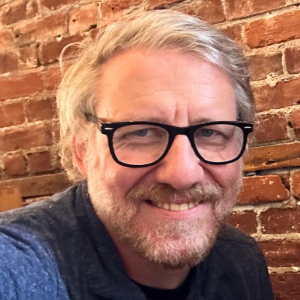
On 16 March 2024, Rudy joined me on the Aunty M Brain Tumours Talk Show to share his experiences of living with a diffuse astrocytoma.
Our conversation covered everything from delayed diagnosis and the challenges of the American healthcare system to the importance of physical activity, patient advocacy and his ambitious plans to create a cancer-themed rock opera.
What I particularly enjoyed about speaking with Rudy was his determination to continue doing things that mattered to him while finding ways to help others affected by cancer.
Watch Rudy share his story in our Aunty M Brain Tumours Talk Show interview, or continue reading below.
Years of Symptoms Before His Brain Tumour Diagnosis
Rudy’s story began several years before doctors discovered his brain tumour.
For approximately four to five years, he experienced unusual symptoms that were difficult to explain.
Doctors considered several possible causes, including allergies, a pinched nerve and exhaustion.
At the time, these explanations seemed more likely than a brain tumour, particularly because Rudy was physically fit.
During our conversation, he explained how doctors often look for the most common explanation for a patient’s symptoms.
Unfortunately, this can sometimes mean that less common conditions take longer to identify.
It wasn’t until Rudy underwent an MRI scan while in another American state that the cause of his symptoms became clearer.
The scan revealed a mass affecting his cerebellum and brainstem.
After years of unexplained symptoms, Rudy finally had an answer. However, the diagnosis also meant facing a very different future from the one he had imagined.
Diagnosed with a Diffuse Astrocytoma in 2018
Following further investigations, Rudy was diagnosed with a grade 2 diffuse astrocytoma.
An astrocytoma is a type of brain tumour that develops from cells called astrocytes, which help support nerve cells in the brain.
The term diffuse describes how tumour cells can spread into surrounding brain tissue, making complete surgical removal more difficult.
Rudy’s tumour was particularly challenging because of its location.
The cerebellum helps control balance, movement and coordination, while the brainstem is involved in essential functions such as breathing, swallowing and communication between the brain and body.
Surgery in these areas requires careful planning because of the risk of damaging important neurological functions.
For Rudy, urgent surgery became the next stage of his journey.
Two Craniotomies and the Challenges of Brain Surgery
After his diagnosis, Rudy underwent brain surgery to remove as much of the tumour as possible.
However, things did not go entirely to plan.
Complications meant that he required two craniotomies.
Despite the surgical team’s efforts, only part of the tumour could be removed.
This is something many brain tumour patients face, particularly when a tumour is located close to critical areas of the brain.
Although surgeons generally aim to remove as much tumour tissue as safely possible, protecting important brain functions must also be considered.
For Rudy, surgery was only one part of his treatment.
He still had to navigate further treatment and the physical challenges that came with his diagnosis.
Radiotherapy, Chemotherapy and Understanding His Treatment Options
Following surgery, Rudy underwent radiotherapy and chemotherapy.
His tumour had initially been diagnosed as grade 2, but he subsequently faced a higher-grade diagnosis.
During our interview, Rudy discussed the difficulties of understanding brain tumour grading and how treatment decisions are made.
One subject he felt strongly about was the importance of patients having a voice in their medical care.
He also highlighted the value of genomic testing, which can provide additional information about a tumour’s molecular characteristics.
These results can help specialists understand the type of tumour they are treating and, in some circumstances, influence treatment recommendations.
Rudy wanted other patients to recognise the importance of asking questions and understanding the options available to them.
Being diagnosed with a brain tumour can be overwhelming, particularly when faced with unfamiliar medical terminology and complicated treatment decisions.
His experience reminded me how valuable it can be for patients to feel informed and involved in conversations about their care.
The Challenges of the American Healthcare System
Another interesting part of our conversation was Rudy’s experience of navigating healthcare in the United States.
Unlike the UK, where many of us receive treatment through the NHS, the American healthcare system often involves private health insurance.
Rudy explained how insurance companies could influence which treatments and services were available to him.
Trying to understand treatment options was difficult enough without also having to navigate insurance restrictions and approval processes.
For someone already dealing with brain surgery, chemotherapy and radiotherapy, these additional challenges could make an already stressful situation even more complicated.
Although healthcare systems vary around the world, Rudy’s experience highlighted something that is relevant to all patients.
Understanding your treatment, knowing what support is available and being able to discuss your options with your medical team are important parts of navigating a brain tumour diagnosis.
Learning to Adapt to Life with a Brain Tumour
One of the messages that stood out during my conversation with Rudy was his approach to living with the physical challenges caused by his brain tumour.
He understood that life could be different following surgery and treatment.
Activities that once seemed straightforward might require more effort, and some things might need to be approached differently.
However, Rudy was determined not to allow his diagnosis to define everything about him.
He spoke about the importance of remaining physically active and keeping his mind engaged.
For Rudy, this meant adapting activities to suit his abilities rather than simply giving them up.
His approach wasn’t about pretending that living with a brain tumour was easy.
It was about recognising his limitations while continuing to find things he could enjoy and work towards.
For anyone recovering from brain surgery or adjusting to treatment, this is an encouraging message.
Recovery and rehabilitation are different for everyone, and physical activity should always be appropriate to an individual’s medical circumstances.
But finding ways to remain involved in meaningful activities can make an important difference to everyday life.
Finding Purpose Through Brain Tumour Advocacy
Rudy was also passionate about helping other people affected by brain tumours.
He had become involved in patient advocacy and the Low-Grade Glioma Registry, recognising the importance of patient experiences in helping researchers better understand brain tumours.
For Rudy, sharing knowledge was a way of turning his own experiences into something potentially useful for others.
He understood that patients often have questions that go beyond the medical information provided at appointments.
How do you adjust to life after surgery? How do you deal with unexpected challenges? How can you continue enjoying activities when your abilities have changed?
These are questions that people living with brain tumours frequently ask.
Hearing from someone who has experienced similar challenges can help others feel understood and less isolated.
And Rudy had another interesting idea for raising cancer awareness.
Creating a Cancer-Themed Rock Opera
One of the most memorable parts of my interview with Rudy was hearing about his plans for a cancer-themed rock opera.
Inspired by the legendary rock band The Who and its connections with Teenage Cancer Trust and Teen Cancer America, Rudy was developing a musical project that combined storytelling, creativity and cancer awareness.
The project included more than 30 songs, each exploring different aspects of the cancer experience.
The story followed a fictional teenage pop star diagnosed with a brain tumour.
Through music, Rudy hoped to explore the challenges of diagnosis, treatment and living with cancer in a way that audiences could connect with.
His ambition was to use the project to raise funds and awareness for two organisations supporting young people with cancer:
- Teen Cancer America, which works to improve cancer care for adolescents and young adults in the United States.
- Teenage Cancer Trust, which provides specialist support and services for young people with cancer in the UK.
At the time of our conversation, Rudy was looking for people interested in helping bring his creative ideas to life.
I thought this was a wonderful example of someone using their personal interests to make a difference.
It also demonstrated that brain tumour advocacy doesn’t always have to involve medical research, fundraising walks or awareness campaigns.
Sometimes, sharing a message through music and creativity can help reach people in a completely different way.
What Can We Learn from Rudy’s Diffuse Astrocytoma Story?
There were several important messages from Rudy’s experience that I hope will help other people affected by a brain tumour.
1. Persistent or unexplained symptoms deserve attention.
Rudy experienced unusual symptoms for several years before his brain tumour was discovered. His story highlights the importance of discussing ongoing symptoms with a medical professional, particularly if they change or become more noticeable.
2. Understanding your diagnosis can help you make informed decisions.
Brain tumour terminology, grading and treatment options can be confusing. Don’t be afraid to ask your medical team to explain anything you don’t understand.
3. Life after brain surgery may involve making adjustments.
Recovery can bring physical and cognitive challenges. Rudy spoke about adapting activities to suit his abilities while continuing to remain active and engaged.
4. Sharing your experience can help someone else.
Whether through patient advocacy, research participation, writing, music or simply talking to another patient, personal experiences can make a meaningful difference.
Rudy’s Message: A Brain Tumour Doesn’t Have to Define Everything About You
Speaking with Rudy reminded me just how much people living with brain tumours can achieve while managing incredibly difficult circumstances.
His journey has involved years of unexplained symptoms, two craniotomies, radiotherapy, chemotherapy and the additional frustrations of navigating healthcare insurance.
Yet during our conversation, he was also talking about music, fundraising, research and finding ways to support others.
I couldn’t help thinking that Rudy had already completed his own kind of Ironman challenge through everything he had experienced.
One thing I particularly agree with is his belief that helping others can also help us process our own experiences.
Sometimes, sharing what we have been through gives those difficult experiences a new purpose.
Thank you, Rudy, for joining me on the Aunty M Brain Tumours Talk Show and sharing your experiences so openly.
I hope your story encourages others to ask questions, seek support and remember that there is much more to a person than their brain tumour diagnosis.
Further Information
If you or someone you love has been diagnosed with an astrocytoma, you may find these resources helpful.
- That Cancer Life – Rudy’s writing and personal reflections on living with cancer.
If You Have Recently Been Diagnosed With an Astrocytoma
If you have arrived at this article after receiving an astrocytoma diagnosis, whether your own or someone you love, I hope Sophie’s experience helps you feel less alone.
Every astrocytoma story is different.
Tumours can vary in grade, location, molecular characteristics and how they affect a person’s everyday life.
Some people undergo surgery, radiotherapy or chemotherapy. Others may have regular scans or different treatment approaches.
Recovery also varies considerably.
Try not to compare your own situation too closely with somebody else’s.
Hearing other people’s stories can help you understand what they experienced, but their diagnosis or outcome does not determine yours.
Take things at your own pace, ask questions and reach out for support when you need it.
Where to Go After an Astrocytoma Diagnosis?
If you or someone you care about has been diagnosed with an astrocytoma, there are organisations offering information, emotional support, practical advice and opportunities to connect with others.
Astro Brain Tumour Fund
A UK charity dedicated to supporting people affected by low-grade gliomas, including Grade 1 and Grade 2 astrocytoma’s.
The charity provides information, opportunities to connect with others and funding for research into low-grade brain tumours.
The Brain Tumour Charity
Provides information about different types and grades of astrocytoma, possible treatments and living with a brain tumour.
It also offers emotional support, support groups and resources for patients, families and carers.
Read its information about astrocytomas
Brainstrust
Offers practical and emotional support to people living with brain tumours, including those affected by low-grade and high-grade gliomas.
Its services include individual support, coaching, information and opportunities to connect with others who understand life with a brain tumour.
Brain Tumour Support
A UK charity providing support for anyone affected by a brain tumour, including patients, families, carers and loved ones.
It offers individual and group support, opportunities to connect with others and specialist emotional support.
Brain Tumour Research
Funds research into brain tumours and campaigns for greater awareness and investment in research.
Its work aims to improve understanding, develop better treatments and ultimately find cures for all types of brain tumours.
NHS Neuro-Oncology and Rehabilitation Services
Your specialist medical team can help you understand your particular astrocytoma diagnosis, treatment options and follow-up care.
Depending on your needs, additional support may include physiotherapy, occupational therapy, speech and language therapy, psychological support or help managing seizures and fatigue.
Ask your GP, specialist nurse or neuro-oncology team about appropriate referrals.
Would You Like to Share Your Astrocytoma Story?
At Aunty M Brain Tumours, we believe every person’s experience deserves to be heard.
Whether you have recently been diagnosed, are undergoing treatment, living with long-term effects or supporting someone you love, your experience could help another person feel less alone.
Find out how to share your brain tumour story


Claire Bullimore is an influential figure in the brain tumour community. She embarked on her brain tumour journey and was diagnosed with an intraventricular meningioma. In response to her experiences, Claire founded ‘Aunty M Brain Tumours,’ a platform dedicated to sharing brain tumour stories. Based in London, England, Claire also identifies as a blogger and speaker for Aunty M Brain Tumours, shedding light on the challenges faced by those diagnosed and amplifying their voices for better awareness and support. Through her dedication and advocacy, Claire’s efforts have been recognized by Brain Tumour Research and other organizations, spotlighting her commitment to making a positive difference for individuals impacted by brain tumours.

World class stand up tuff man grateful your still with us