Turning Loss Into Hope: Richard Wakefield and Jane’s Mission to Change Glioblastoma Treatment
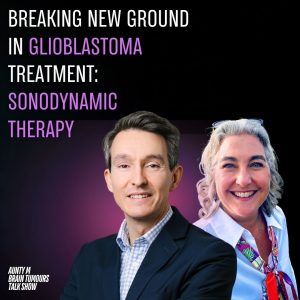
Some conversations stay with you long after they end. The recent YouTube interview featuring Richard Wakefield and Jane Oberholzer is one of those moments.
Together, they share the deeply personal story behind founding CureGBM — an organisation created after losing their father to Glioblastoma in 2021. Their mission is simple but powerful: help ensure other families facing this devastating diagnosis have more options, more support, and more hope.
A Family Story No One Wants to Live
For Richard and Jane, glioblastoma is not just a medical term. It became a life-changing reality when their father was diagnosed. In the interview, they describe the shock, confusion, and heartbreak many families experience when suddenly navigating treatment decisions, hospital appointments, and uncertain outcomes.
They also speak openly about how quickly everything changed. According to CureGBM’s own story, their father passed away only weeks after surgery, leaving behind grief but also a determination to create something meaningful from loss.
Why CureGBM Was Founded
Rather than accepting that progress was too slow, the siblings chose to act.
CureGBM was built to advance innovative treatment pathways, particularly in Europe, where it believes promising options should become more accessible to patients through proper clinical trials and regulatory pathways.
Their story is not about business first. It is about urgency, compassion, and refusing to let another family feel powerless.
What Is Sonodynamic Therapy?
One of the key topics discussed is Sonodynamic Therapy (SDT), a treatment approach CureGBM is helping to advance.
Sonodynamic therapy is being explored as a non-invasive way to target cancer cells using sound waves alongside sensitising agents. Richard describes the vision in three words: gentle, safe, non-invasive. Jane summarises it even more simply: “Sound kills cancer.”
While further research and trials are essential, their passion comes from seeing the need for better, less invasive treatment options for glioblastoma patients.
The Human Side of Brain Cancer
What makes this interview so powerful is that it goes beyond science.
It highlights:
- The emotional toll cancer places on families
- The loneliness that many patients and carers feel
- The need for better support systems
- The importance of raising awareness for brain cancer research
- How community can carry people through the darkest moments
Richard and Jane speak not only as founders, but as son and daughter. That honesty is what makes their message resonate.
Why Awareness Matters
Brain cancer research has historically received less attention and funding than many other cancer types. Conversations like this help bring visibility to diseases such as Glioblastoma and remind us that behind every diagnosis is a family whose world has changed overnight.
By sharing their story publicly, Richard and Jane are helping others feel less alone while pushing for progress.
Watch the Full Interview
This is more than a discussion about treatment innovation. It is a story of grief transformed into purpose.
Watch the full YouTube interview here: Richard Wakefield & Jane Discuss CureGBM
Final Thought
Some people respond to tragedy by surviving it. Others respond by building something that may help thousands more.
That is what Richard Wakefield and Jane are doing with CureGBM.