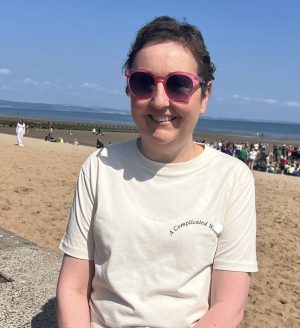
What does it mean to live with a grade 4 astrocytoma? In this Aunty M Brain Tumours Talk Show interview, Jo shares her experience of an IDH-mutant brain tumour and what life with this diagnosis means to her.
A brain tumour diagnosis can bring questions that nobody expects to face.
There is the medical language to understand, decisions about treatment and the uncertainty surrounding what happens next.
For people diagnosed with a high-grade astrocytoma, understanding the type and grade of tumour can be particularly important.
When Jo joined me on the Aunty M Brain Tumours Talk Show, our conversation focused on her experience of living with a grade 4 IDH-mutant astrocytoma.
It is a diagnosis that can be difficult to understand, especially when people encounter terms such as astrocytoma, glioma, glioblastoma and IDH mutation.
By sharing experiences like Jo’s, I hope to help other people affected by brain tumours feel less alone and find information that helps them ask questions about their own diagnosis.
Watch Jo tell her story in full in the Aunty M Brain Tumours Talk Show interview below, or keep reading for the written version
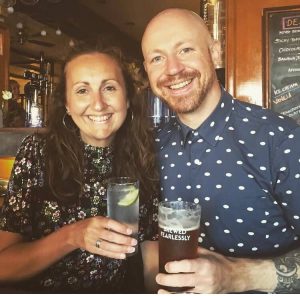
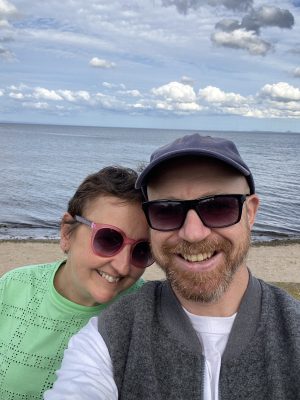
In this interview, Jo shares her personal perspective on living with a grade 4 IDH-mutant astrocytoma.
You can watch our conversation above, followed by information about this type of brain tumour, possible treatments and where to find support.
Living With a Grade 4 IDH-Mutant Astrocytoma
Being told you have a grade 4 brain tumour is a serious diagnosis.
But understanding exactly which type of tumour you have is important.
Not all grade 4 brain tumours are classified in the same way, and the molecular characteristics of a tumour can help doctors understand its behaviour and plan treatment.
An IDH-mutant astrocytoma is different from an IDH-wildtype glioblastoma, although both can be grade 4 tumours.
For someone newly diagnosed, medical terminology can be overwhelming, particularly when different names appear in hospital letters, medical websites and older information.
This is one reason I believe personal interviews are valuable.
Hearing from someone living with a particular diagnosis can provide a different perspective from reading about the condition alone.
Of course, every brain tumour experience is different. One person’s symptoms, treatment or outcome cannot predict another person’s journey.
 |
 |
 |
Understanding the Impact Beyond the Diagnosis
A brain tumour can affect far more than physical health.
There may be changes to everyday routines, relationships, work and family life. There can also be emotional challenges associated with appointments, treatments and waiting for scan results.
For some people, recovery and rehabilitation become an important part of daily life.
Others may be dealing with ongoing treatment, fatigue, seizures or other neurological symptoms.
These experiences vary considerably from person to person.
What matters is recognising that life with a brain tumour is not defined only by a scan result or a medical diagnosis.
There is a person behind every tumour, with their own experiences, relationships, hopes and concerns.
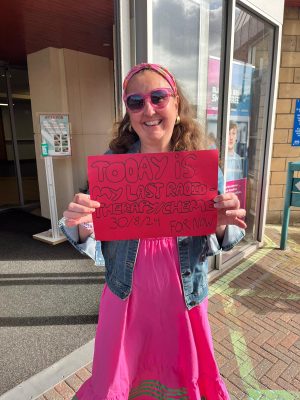
Jo’s interview is an opportunity to hear that personal perspective.
 |
 |
 |
About Jo’s Tumour: What Is a Grade 4 IDH-Mutant Astrocytoma?
An astrocytoma is a type of glioma, a tumour arising from cells in the brain or spinal cord.
Astrocytomas are classified using a combination of features seen under the microscope and molecular tests.
One important molecular feature is the presence or absence of an IDH mutation.
IDH stands for isocitrate dehydrogenase. Changes in the IDH1 or IDH2 genes help doctors identify particular types of glioma.
Under the current World Health Organization classification, IDH-mutant astrocytomas can be classified as CNS WHO grade 2, 3 or 4.
A grade 4 IDH-mutant astrocytoma is a high-grade, malignant brain tumour that generally requires specialist treatment and monitoring.
Is a Grade 4 IDH-Mutant Astrocytoma the Same as Glioblastoma?
No. Under the modern classification, they are distinct diagnoses.
In the past, some grade 4 IDH-mutant astrocytomas were described as IDH-mutant glioblastomas.
Today, astrocytoma, IDH-mutant, CNS WHO grade 4 is classified separately from glioblastoma, IDH-wildtype.
This distinction matters because tumour biology, treatment considerations and outcomes can differ.
If you have an older diagnosis, your medical team can explain how it relates to the current classification.
What Are the Symptoms of a Grade 4 Astrocytoma?
Symptoms depend on the location and size of the tumour and which areas of the brain are affected.
Possible symptoms include:
- Persistent or worsening headaches
- Seizures
- Nausea or vomiting
- Weakness or changes in movement
- Difficulties with speech or language
- Changes in memory or concentration
- Changes in vision
- Balance or coordination difficulties
- Changes in mood, behaviour or personality
Not everyone experiences the same symptoms.
Many of these symptoms can also have causes unrelated to brain tumours. However, new or worsening neurological symptoms should be assessed by a healthcare professional.
A first seizure or sudden stroke-like symptoms require emergency medical attention.
How Is a Grade 4 IDH-Mutant Astrocytoma Treated?
Treatment depends on several factors, including the tumour’s location, molecular characteristics, previous treatments and the person’s general health.
A specialist neuro-oncology team will recommend an individual treatment plan.
Brain Surgery
Where possible, surgeons may attempt to remove as much of the tumour as they can safely reach.
The aim is to remove tumour tissue while protecting important areas of the brain involved in movement, speech, memory and other functions.
Sometimes complete removal is not possible because tumour cells extend into surrounding brain tissue.
Radiotherapy
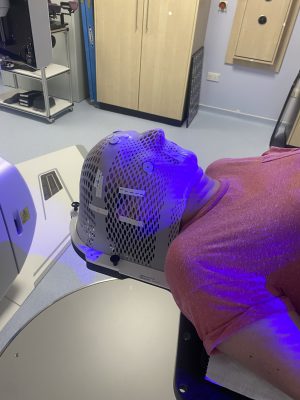
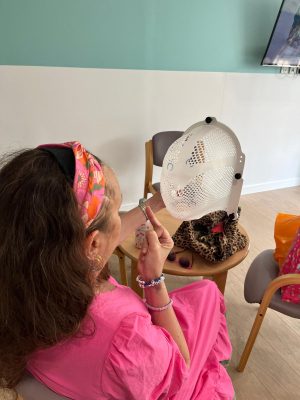
Radiotherapy may be recommended after surgery to treat remaining tumour cells and help control tumour growth.
The exact treatment schedule depends on the individual case.
Chemotherapy
Chemotherapy with medicines such as temozolomide is often considered as part of treatment.
The timing and number of cycles depend on the specialist treatment plan.
MRI Monitoring
Regular MRI scans help doctors monitor the tumour and assess how it responds to treatment.
The frequency of scans depends on the person’s circumstances.
Rehabilitation and Supportive Care
Some people benefit from physiotherapy, occupational therapy, speech and language therapy, neuropsychology or counselling.
Supportive and palliative care can also help manage symptoms and maintain quality of life alongside tumour-directed treatment.
Palliative care does not necessarily mean that active treatment has stopped.
Support for People With Grade 4 Astrocytoma
Receiving a high-grade brain tumour diagnosis can be frightening, whether you are the patient, a partner, family member or friend.
You may need information about treatment, help managing symptoms or simply someone who understands what you are going through.
Several organisations offer specialist support.
The Brain Tumour Charity
Website: https://www.thebraintumourcharity.org/
Provides information about astrocytomas, treatment and living with a brain tumour.
The charity also offers practical and emotional support for patients and families.
Brainstrust
Website: https://brainstrust.org.uk/
Offers personalised support, coaching and practical guidance to people affected by brain tumours.
Brainstrust can help people prepare for appointments, understand their options and navigate challenges after diagnosis.
Brain Tumour Support
Website: https://www.braintumoursupport.co.uk/
Provides emotional and practical support for patients, families and carers, including support groups and opportunities to connect with others.
Macmillan Cancer Support
Website: https://www.macmillan.org.uk/
Offers information about cancer treatment, side effects, emotional wellbeing, finances and practical concerns.
Brain Tumour Research
Website: https://braintumourresearch.org/
Funds research and campaigns for improvements in brain tumour treatment and awareness.
Read More Astrocytoma Stories
At Aunty M Brain Tumours, I share experiences from people affected by different grades and types of astrocytoma.
Although they may share some similarities, every person’s experience is individual.
Jaime’s IDH-Mutant Astrocytoma Story
Read Jaime’s personal experience of living with an IDH-mutant astrocytoma.
https://auntymbraintumours.com/jaime-idh-mutant-astrocytoma-story/
Sophie’s Grade 3 Astrocytoma Story
Sophie shares how an unexpected seizure led to her diagnosis, followed by awake brain surgery, radiotherapy and chemotherapy.
https://auntymbraintumours.com/sophies-grade-3-astrocytoma-story/
Jenny’s Anaplastic Astrocytoma Story
Jenny discusses undergoing three brain surgeries and navigating treatment and recovery following a grade 3 astrocytoma diagnosis.
https://auntymbraintumours.com/jenny-anaplastic-astrocytoma-story/
Why Sharing Jo’s Story Matters
When someone is newly diagnosed with a brain tumour, they often want more than medical facts.
They want to understand how other people have experienced their diagnosis and what questions they might need to ask.
That is one of the reasons I started sharing brain tumour stories.
By giving people the opportunity to speak about their experiences, I hope to create a space where patients and families can find understanding, practical information and a sense of community.
Jo’s interview adds another important voice to that conversation.
If you have been diagnosed with a grade 4 astrocytoma, remember that the information you read online cannot predict your individual circumstances.
Your specialist team can explain your diagnosis, molecular test results and treatment options.
And if you need someone to talk to, please reach out to one of the support organisations listed above.
Your story matters, too.
This article contains general medical information and is not a substitute for individual advice from a specialist healthcare professional.

Claire Bullimore is an influential figure in the brain tumour community. She embarked on her brain tumour journey and was diagnosed with an intraventricular meningioma. In response to her experiences, Claire founded ‘Aunty M Brain Tumours,’ a platform dedicated to sharing brain tumour stories. Based in London, England, Claire also identifies as a blogger and speaker for Aunty M Brain Tumours, shedding light on the challenges faced by those diagnosed and amplifying their voices for better awareness and support. Through her dedication and advocacy, Claire’s efforts have been recognized by Brain Tumour Research and other organizations, spotlighting her commitment to making a positive difference for individuals impacted by brain tumours.