Jess’s Brain Tumour Story: Diagnosed with a Rare RGNT After Subtle Symptoms
Jess’s Story
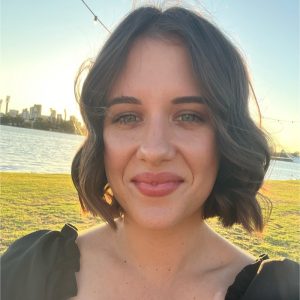
Jess never expected that something as small as a change in her hearing would lead to a brain tumour diagnosis.
At the time, it didn’t feel urgent — just something slightly “off.”
But looking back, it was the first sign that something wasn’t right.
Jess’s Diagnosis at a Glance
- Diagnosis: Rosette-forming glioneuronal tumour (RGNT)
- Year Diagnosed: 2025
- Main Symptoms: Hearing changes, sound sensitivity
- Treatment: Brain surgery and rehabilitation
- Ongoing Effects: Fatigue, balance challenges, speech and cognitive changes
The First Signs
For years, Jess had noticed a slight distortion in her right ear.
It was easy to explain away — something from loud environments, or just one of those things that didn’t seem serious.
But over time, it became more noticeable.
Loud noises would trigger something unusual.
Sounds didn’t feel quite right.
And deep down, Jess knew it was worth checking.
The Phone Call
After seeing a specialist, Jess was sent for an MRI — just to rule anything out.
A few days later, late in the evening, she received a call.
Her doctor told her the scan had revealed a mass in her brain.
She needed to go to hospital immediately.
In a matter of moments, everything changed.
Watch Jess tell her story in full in the Aunty M Brain Tumours Talk Show interview below, or keep reading for the written version
Waiting Without Answers
At the hospital, more scans followed.
At first, doctors believed the tumour was likely cancerous. Surgery was planned quickly — then delayed when there was a chance it might not be.
Jess was sent home to wait.
Those three weeks felt long.
“I wanted to enjoy my time… but I didn’t know what I was dealing with.”
It was a strange space — trying to carry on, while not knowing what was coming next.
Surgery and Diagnosis
Jess underwent brain surgery to remove the tumour.
Afterwards, she was given a diagnosis:
A Rosette-forming glioneuronal tumour — often shortened to RGNT.
It’s a rare type of brain tumour, with only a small number of cases reported worldwide.
Because of this, finding information — or others with the same diagnosis — can feel difficult.
Recovery in Hospital
After surgery, Jess spent around eight weeks in a rehabilitation hospital.
Each day was focused on recovery.
- Learning to walk again
- Rebuilding strength
- Working on speech
- Adjusting to changes
Her days were filled with therapy — sometimes up to five hours a day.
It wasn’t easy. But it was necessary.
Coming Home
When Jess returned home, things felt different.
In hospital, everything had been structured around recovery.
At home, the reality of daily life began to settle in.
Simple things felt harder.
Life After a Brain Tumour
Jess now lives with the ongoing effects of her tumour and surgery.
Fatigue
Even small tasks can feel tiring.
Some days, just doing one thing is enough.
Changes to Work
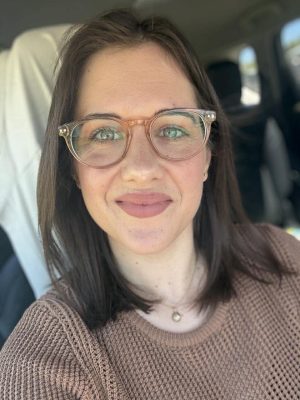
Jess had planned to return to work.
“I even had a folder ready for when I got back.”
But recovery has taken longer than expected.
She made the difficult decision to step away — for now — and focus on healing.
Mobility and Balance
Jess experiences ataxia, which affects coordination and balance.
Walking long distances can be difficult, and she often needs to rest.
Vision and Speech
Jess now lives with:
- Double vision
- A paralysed vocal cord
- Ongoing speech therapy
Even finding the right word can sometimes take a moment.
These changes can be frustrating — especially when they affect everyday life.
💬 A Small Tip That Helped Jess
During recovery, Jess found that even small techniques could make a difference.
“Even just a few minutes, in the morning or before speaking more, can help.”
Her speech therapist introduced something called straw phonation — a simple exercise used to support the voice.
It’s a reminder that recovery isn’t always about big steps.
Sometimes, it’s the small, consistent things that help most.
Emotional Changes
Jess also noticed changes in how she felt emotionally after surgery.
She didn’t quite feel like herself.
More emotional. More aware.
To support herself, she began counselling and is working with Cognitive Behavioural Therapy.
Having that space — to talk, to process, to understand — has been an important part of her journey.
Understanding Jess’s Diagnosis
Jess’s experience may feel unique — especially because her tumour is so rare.
But learning more about conditions like this can help others recognise symptoms earlier and feel less alone.
What is a Rosette-Forming Glioneuronal Tumour?
A Rosette-forming glioneuronal tumour is a rare, usually slow-growing brain tumour.
It often develops in the cerebellum — the part of the brain responsible for balance and coordination.
Common Brain Tumour Symptoms
Symptoms can vary, but may include:
- Hearing or sensory changes
- Balance problems
- Headaches
- Double vision
- Fatigue
- Speech or cognitive changes
If something doesn’t feel right, it’s always okay to get it checked.
Frequently Asked Questions
If you’ve recently been diagnosed or are supporting someone who has, these questions may help.
What is an RGNT brain tumour?
A rosette-forming glioneuronal tumour (RGNT) is a rare type of brain tumour, often slow-growing and typically found in the cerebellum.
Many people live with RGNT for a long time with monitoring and care.
How rare is a rosette-forming glioneuronal tumour?
RGNT is considered very rare, with only a small number of cases reported worldwide.
Because of this, it can sometimes feel difficult to find others with the same diagnosis — but you are not alone.
What symptoms does RGNT cause?
Symptoms can include:
- Balance and coordination difficulties
- Hearing or sensory changes
- Headaches
- Double vision
- Fatigue
- Speech or concentration challenges
Final Thoughts
Jess’s story is a reminder that symptoms don’t always feel serious at first.
It’s also a reminder that life after a brain tumour doesn’t always look the same as before.
And that’s okay.
Recovery isn’t about going back — it’s about finding a new way forward.

Claire Bullimore is an influential figure in the brain tumour community. She embarked on her brain tumour journey and was diagnosed with an intraventricular meningioma. In response to her experiences, Claire founded ‘Aunty M Brain Tumours,’ a platform dedicated to sharing brain tumour stories. Based in London, England, Claire also identifies as a blogger and speaker for Aunty M Brain Tumours, shedding light on the challenges faced by those diagnosed and amplifying their voices for better awareness and support. Through her dedication and advocacy, Claire’s efforts have been recognized by Brain Tumour Research and other organizations, spotlighting her commitment to making a positive difference for individuals impacted by brain tumours.