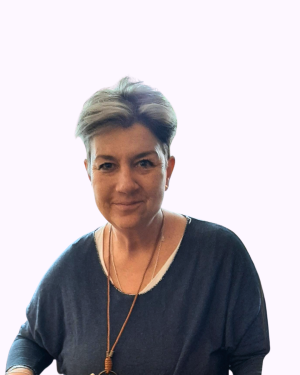
Diagnosed with a germinoma in 2018, retired nurse Carolyn Lawton underwent brain surgery and radiotherapy. But when she experienced a stroke during surgery, her life changed in ways she could never have anticipated.
When Dizziness and Poor Coordination Turned Out to Be a Brain Tumour
For Carolyn Lawton, the first signs that something was wrong appeared in 2018.
She began experiencing dizziness and difficulties with her coordination.
These symptoms were affecting her everyday life, and she knew she needed answers.
After visiting her doctor and undergoing further investigations, Carolyn was given news that would change everything.
She had a brain tumour.
The diagnosis was a germinoma, a rare type of germ cell tumour that can develop within the brain.
Carolyn was a wife, mother and retired nurse. She had spent much of her working life caring for other people, but now she found herself on the other side of the hospital bed.
Despite her medical background, nothing could fully prepare her for hearing that she needed brain surgery and radiotherapy.
When Carolyn shared her experience with Aunty M Brain Tumours in November 2020, she spoke openly about the shock of diagnosis, the complications that followed surgery and the daily challenges of living with reduced independence.
Her story is an important reminder that surviving a brain tumour is not always the same as returning to the life you had before.
The Shock of Hearing the Words ‘Brain Tumour’
When doctors explained what they had found, Carolyn struggled to take in the information.
The words brain tumour were overwhelming.
She remembered feeling so shocked that she could barely process what was being said.
Her husband listened carefully as the medical team explained what would happen next.
Carolyn was told that her treatment would include surgery and radiotherapy.
Although she had spent years working as a nurse, she suddenly found herself feeling frightened and vulnerable.
It was an unfamiliar position.
She was accustomed to understanding medical information, supporting patients and helping other people through difficult experiences.
Now she was the patient.
And everything felt different.
When Being a Nurse Made Brain Surgery More Frightening
One of the most revealing parts of Carolyn’s story is her description of how her nursing background affected her diagnosis.
We might assume that someone with medical experience would feel more confident facing hospital treatment.
But for Carolyn, the opposite was sometimes true.
She understood the seriousness of brain surgery.
She could imagine what might happen in the operating theatre and what her recovery in intensive care could involve.
That knowledge made it harder to switch off her worries.
“Sometimes I felt that my nursing was a hindrance knowing too much.”
For Carolyn, knowing what might happen was not always reassuring.
She understood that even carefully planned operations could involve complications.
And sadly, she would experience a serious complication herself.
A Stroke During Brain Tumour Surgery
Carolyn underwent surgery as part of her treatment for germinoma.
Unfortunately, she experienced a stroke during the operation.
A stroke occurs when the blood supply to part of the brain is interrupted or when bleeding damages brain tissue.
The effects can vary depending on the area affected and the severity of the injury.
For Carolyn, the consequences were life-changing.
She developed weakness down the right side of her body.
Her movement and independence were significantly affected.
Before surgery, Carolyn had been able to carry out everyday activities without the level of assistance she now required.
Afterwards, she could no longer walk independently.
She also lost the ability to write as she had before.
Driving and working were no longer possible.
The woman who had spent her career caring for others was now having to accept support herself.
It was an enormous adjustment.
Waking Up to a Different Life
One of the hardest parts of Carolyn’s experience was coming to terms with the changes caused by her stroke.
The treatment had left her with difficulties that affected almost every part of everyday life.
Walking now required assistance.
Her right-sided weakness made activities that had once been straightforward much more complicated.
She could no longer return to work or drive.
And she was no longer able to write normally.
These changes represented far more than physical limitations.
They affected Carolyn’s independence and the way she experienced daily life.
For someone who had previously been active and self-reliant, relying on others was particularly difficult.
She was grateful for her family, but gratitude did not remove the frustration of losing abilities she had once taken for granted.
This became one of the most important themes of her story.
The loss of independence can be one of the hardest consequences of living beyond a brain tumour diagnosis.
Rehabilitation After Brain Surgery and Stroke
Following surgery, Carolyn began the long process of rehabilitation.
Her recovery involved ongoing neurological physiotherapy and hydrotherapy.
Neurophysiotherapy helps people affected by neurological conditions work on movement, strength, coordination, balance and physical function.
For Carolyn, it was an important part of managing the lasting effects of her stroke.
She also attended hydrotherapy.
Hydrotherapy involves exercises in water, often in a warm pool, where buoyancy can help support the body and make certain movements easier.
Of all the rehabilitation activities she described, hydrotherapy was something Carolyn particularly enjoyed.
It provided an opportunity to exercise in a different environment and work on her physical abilities.
Although rehabilitation did not erase the difficulties caused by her stroke, it was an ongoing part of her life.
Living With Dizziness, Pain and Emotional Frustration
Carolyn also needed medication to manage several ongoing symptoms.
She reported taking Stemetil for dizziness, Citalopram for her emotional wellbeing and medication for pain relief.
Her description of why she took Citalopram was characteristically direct.
She referred to it as medication for the “pissed off-ness”.
That small comment says a great deal about the emotional reality of her situation.
Carolyn was dealing with changes she had never expected.
She had survived a brain tumour diagnosis and major surgery, but she was left with physical limitations that affected her every day.
It was understandable that she sometimes felt angry or frustrated.
People recovering from brain surgery or stroke may experience a wide range of emotions, including sadness, anxiety, anger and grief for the abilities or independence they have lost.
These feelings deserve understanding and appropriate support, just as physical symptoms do.
For Carolyn, learning to live with her new circumstances was an ongoing process.
When the Hardest Part Is Losing Your Independence
When Carolyn was asked what she believed was the toughest challenge for brain tumour survivors, her answer was clear.
For her, it was the loss of independence.
She could no longer do many of the things she had previously managed without assistance.
Simple everyday activities now required help or adaptation.
Although her family were supportive, Carolyn recognised that they could not fully understand what she was experiencing.
She loved them and appreciated everything they did.
But she also knew that living with neurological difficulties was different from observing them.
There were feelings and frustrations that could be difficult to explain to someone who had never experienced something similar.
This is why connecting with other brain tumour survivors can be so valuable.
Sometimes the most reassuring words come from someone who understands what it means to have your life changed by a diagnosis and its treatment.
The Importance of Family During Recovery
When Carolyn spoke about what motivated her, her answer was simple.
“My motivation is my family.”
Her husband had been there when she received her diagnosis, listening to the medical information she was too shocked to absorb.
Throughout her recovery, family remained an important source of support.
Living with the effects of a stroke can mean needing assistance with everyday activities, appointments and practical tasks.
But support is about more than physical help.
It can also mean having someone who listens when you are frustrated, understands that some days are more difficult than others and recognises that recovery is not always straightforward.
For Carolyn, her family provided a reason to keep going.
At the same time, she wanted others to understand that being supported did not make the loss of independence easy to accept.
Both feelings could exist together.
Why People Need to Understand the Long-Term Effects of Brain Tumours
One of Carolyn’s strongest messages was about the importance of understanding that brain tumour recovery can continue for years.
People sometimes expect someone to have recovered simply because a certain amount of time has passed.
They may assume that once treatment is over, life gradually returns to normal.
But that is not everyone’s experience.
Carolyn was still adjusting to the consequences of her surgery when she shared her story.
Her physical difficulties affected her daily routine.
She continued attending rehabilitation and managing symptoms.
And emotionally, she was still coming to terms with what had happened.
She wanted family and friends to understand that a brain tumour diagnosis does not stop affecting someone simply because treatment happened several years earlier.
For some people, the effects are permanent.
For others, rehabilitation and adjustment may continue over a long period.
There is no single timetable for recovery.
Carolyn’s Advice for People Newly Diagnosed With a Brain Tumour
Having experienced diagnosis, surgery, radiotherapy and the consequences of a stroke, Carolyn had an important message for anyone facing a frightening medical diagnosis.
She encouraged people to accept support and to be honest about how they were feeling.
Accept the Help People Offer
For someone who has always been independent, accepting help can be difficult.
It may feel uncomfortable to rely on other people for tasks you once managed yourself.
But Carolyn wanted people to recognise that accepting support does not mean they have failed.
Practical assistance, emotional encouragement and professional rehabilitation can all make a difference.
Tell People How You Really Feel
Carolyn also encouraged people to communicate openly with their families and friends.
Those around you may not realise how difficult everyday life has become.
They might see you on a good day and assume you are coping well.
But they may not see the fatigue, frustration, pain or emotional challenges that happen behind closed doors.
Being honest about these experiences can help loved ones better understand what support is needed.
Remember That Recovery Doesn’t Follow a Fixed Timetable
One of Carolyn’s most important messages was that people should not assume someone has fully recovered because their operation was several years ago.
Living with the effects of brain surgery or stroke can involve long-term adjustments.
Someone may continue experiencing symptoms, attending rehabilitation or grieving the independence they have lost.
Understanding this can make an enormous difference to how patients and survivors are supported.
What Is a Germinoma Brain Tumour?
A germinoma is a type of germ cell tumour that can develop within the central nervous system, including the brain.
Germ cell tumours arise from cells associated with early development.
Although germ cell tumours most commonly develop in other parts of the body, they can occasionally occur within the brain.
Intracranial germinomas are rare and are diagnosed most often in children and young adults, although they can also occur in older adults.
They are usually classified as malignant tumours, but many respond well to appropriately planned treatment.
The outlook depends on individual circumstances, including the tumour’s location, whether it has spread and the treatment received.
What Are the Symptoms of a Germinoma?
Symptoms vary according to where the tumour develops.
Possible symptoms include:
- Headaches
- Dizziness or balance difficulties
- Problems with coordination
- Changes in vision
- Nausea or vomiting
- Hormonal disturbances
- Increased thirst or urination
- Fatigue
Some germinomas develop near the pineal region or structures involved in hormone regulation, which can influence the symptoms someone experiences.
For Carolyn, dizziness and difficulties with coordination were the main symptoms that led her to seek medical help.
However, these symptoms can have many causes and do not automatically indicate a brain tumour.
New, persistent or worsening neurological symptoms should be assessed by a healthcare professional.
How Is a Germinoma Treated?
Treatment depends on the tumour’s location, characteristics and the patient’s individual circumstances.
Options may include:
- A biopsy or other surgical procedure to establish the diagnosis
- Radiotherapy
- Chemotherapy in selected treatment plans
- Treatment for complications or increased pressure within the brain
- Ongoing monitoring and follow-up
Germinomas are generally sensitive to radiotherapy and chemotherapy.
Unlike some other brain tumour types, extensive surgical removal is not always necessary or recommended.
Treatment decisions are made by a specialist team based on the diagnosis and individual medical findings.
Carolyn’s experience involved both surgery and radiotherapy.
Unfortunately, she also experienced a stroke during surgery, leaving her with long-term neurological difficulties.
Her story is a reminder of why patients need clear information about their treatment and the possible consequences.
What Is Neurorehabilitation After Brain Surgery?
Neurorehabilitation is a specialist approach to helping people recover or adapt following injury or illness affecting the brain or nervous system.
Depending on individual needs, it may involve:
- Physiotherapy to improve strength, balance and movement
- Occupational therapy to support everyday activities and independence
- Speech and language therapy when communication or swallowing are affected
- Hydrotherapy where suitable
- Psychological support to help with emotional adjustment
- Specialist assessment of mobility aids and equipment
For Carolyn, neurophysiotherapy and hydrotherapy became important parts of managing the effects of her stroke.
Rehabilitation does not guarantee that every lost ability will return.
However, it can help people work towards personal goals, maximise independence and find practical ways of managing everyday life.
Why Carolyn’s Germinoma Story Matters
Carolyn’s story began with dizziness and a loss of coordination.
In 2018, further investigations revealed that she had a germinoma.
As a retired nurse, she understood the medical world she was entering, but her knowledge did not remove the fear of what lay ahead.
She underwent surgery and radiotherapy.
Sadly, she experienced a stroke during her operation, leaving her with right-sided weakness and significant changes to her independence.
By the time Carolyn shared her story in November 2020, she was continuing with neurophysiotherapy and hydrotherapy while managing dizziness, pain and the emotional consequences of her diagnosis.
She could no longer work, drive, walk unaided or write as she had previously.
Yet throughout these difficulties, her family remained her greatest motivation.
One of the most important things we can learn from Carolyn’s experience is that surviving a brain tumour can mean learning to live with changes that affect every part of everyday life.
Recovery is not always about returning to the person you were before.
Sometimes it involves adapting to a different way of living and accepting help with things you once took for granted.
Carolyn’s honesty about frustration, independence and long-term rehabilitation is particularly valuable.
These are experiences that many brain tumour survivors understand but may struggle to explain to those around them.
Thank you, Carolyn, for sharing your experiences with Aunty M Brain Tumours.
Your story reminds us that brain tumour awareness should not end with diagnosis or treatment.
We also need to recognise the people continuing to live with the consequences, sometimes for the rest of their lives.
This article reflects Carolyn’s experiences as originally shared on 14 November 2020. It is not an update on her current health or circumstances.
Read More Germinoma Brain Tumour Stories
Germinoma is a rare brain tumour, and finding someone who has experienced the same diagnosis can sometimes be difficult.
At Aunty M Brain Tumours, I share personal stories from people affected by different types of brain tumours, helping others understand that no two experiences are exactly alike.
You can explore more stories through our brain tumour categories, including experiences involving surgery, radiotherapy, rehabilitation and the long-term effects of treatment.
Where to Go After a Germinoma Diagnosis
If you or someone you love has been diagnosed with a germinoma, there are organisations that provide reliable medical information, emotional support and practical guidance.
The Brain Tumour Charity
https://www.thebraintumourcharity.org/
Provides information about brain tumour diagnosis, treatment, rehabilitation and support for patients and families.
Brainstrust
Offers personalised support for people affected by brain tumours, including help navigating treatment decisions and everyday challenges.
Brain Tumour Support
https://www.braintumoursupport.co.uk/
Provides practical and emotional support for people living with brain tumours and their families.
Cancer Research UK
https://www.cancerresearchuk.org/about-cancer/germ-cell-tumours
Provides information about germ cell tumours, their diagnosis and treatment.
National Cancer Institute
https://www.cancer.gov/types/brain/patient/adult-brain-treatment-pdq
Offers medically reviewed information about central nervous system tumours, including germ cell tumours.
Stroke Association
Provides information about stroke recovery, rehabilitation and long-term support for survivors and families.
Your NHS Specialist Team
People living with a germinoma may require follow-up care from neuro-oncologists, neurosurgeons or other specialists.
For those experiencing long-term neurological difficulties, referrals to neurophysiotherapy, occupational therapy or psychological support may be helpful.
Speak to your GP or specialist team about appropriate services.
Medical disclaimer: This article shares Carolyn’s personal experiences and general information for awareness and peer support. It is not a substitute for advice, diagnosis or treatment from a qualified healthcare professional.


Claire Bullimore is an influential figure in the brain tumour community. She embarked on her brain tumour journey and was diagnosed with an intraventricular meningioma. In response to her experiences, Claire founded ‘Aunty M Brain Tumours,’ a platform dedicated to sharing brain tumour stories. Based in London, England, Claire also identifies as a blogger and speaker for Aunty M Brain Tumours, shedding light on the challenges faced by those diagnosed and amplifying their voices for better awareness and support. Through her dedication and advocacy, Claire’s efforts have been recognized by Brain Tumour Research and other organizations, spotlighting her commitment to making a positive difference for individuals impacted by brain tumours.