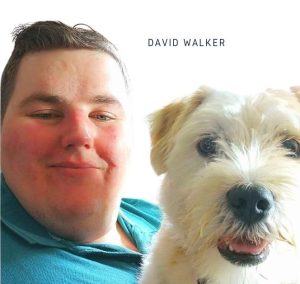
David’s Craniopharyngioma Story: Years of Misdiagnosis Before a Brain Tumour Diagnosis
For eight years, David Walker lived with severe headaches, blackouts and unexplained fatigue. Despite recurring symptoms throughout childhood, his family were repeatedly given different explanations and, at one point, were even told he was attention seeking.
Everything changed when an MRI scan finally revealed the truth. At just 14 years old, David was diagnosed with a rare brain tumour called a craniopharyngioma.
Nearly twenty years later, David reflects on his diagnosis, treatment, long-term challenges and the lessons he has learned from surviving a brain tumour.
Watch David’s full interview below or continue reading his story.
[Insert YouTube Video Here]
Living With Symptoms Nobody Could Explain
David’s symptoms began when he was just six years old.
He suffered from severe headaches that would appear twice a year and last for weeks at a time. Initially they were treated as migraines, but as the years passed the symptoms became increasingly severe.
The headaches eventually began causing blackouts.
Many of these episodes happened while David was at school or staying with relatives, meaning his parents never fully witnessed how serious they had become.
“The headaches would get so bad and, over the years, they began to cause blackouts.”
As well as the headaches, David struggled with exhaustion and noticed that he was growing very little compared to other children his age.
“I never had any energy and grew only around 10cm in four years.”
Despite years of symptoms, answers remained elusive.
By 2005, after numerous medical appointments and different explanations, David’s parents were even told that he was attention seeking.
Looking back, those years of uncertainty were perhaps one of the most difficult parts of his journey.
The Scan That Changed Everything
In late 2005, David finally underwent an MRI scan.
The results revealed a brain tumour.
Further investigations confirmed that he had a craniopharyngioma, a rare tumour that develops near the pituitary gland.
David underwent a craniotomy on 14 February 2006, at just 14 years old.
“I was diagnosed with a Craniopharyngioma on 14th February 2006 when I was 14 years old.”
The diagnosis finally explained the symptoms that had dominated much of his childhood.
“My pituitary was crushed by the tumour every time it grew, causing my headaches and blackouts as the brain shut off all but the essentials to look after itself.”
What Is A Craniopharyngioma?
Craniopharyngiomas are rare brain tumours that develop close to the pituitary gland and hypothalamus.
Although usually considered non-cancerous, they can cause significant long-term health issues because of their location within the brain.
They can affect growth, hormone production, energy levels, vision, appetite and weight regulation.
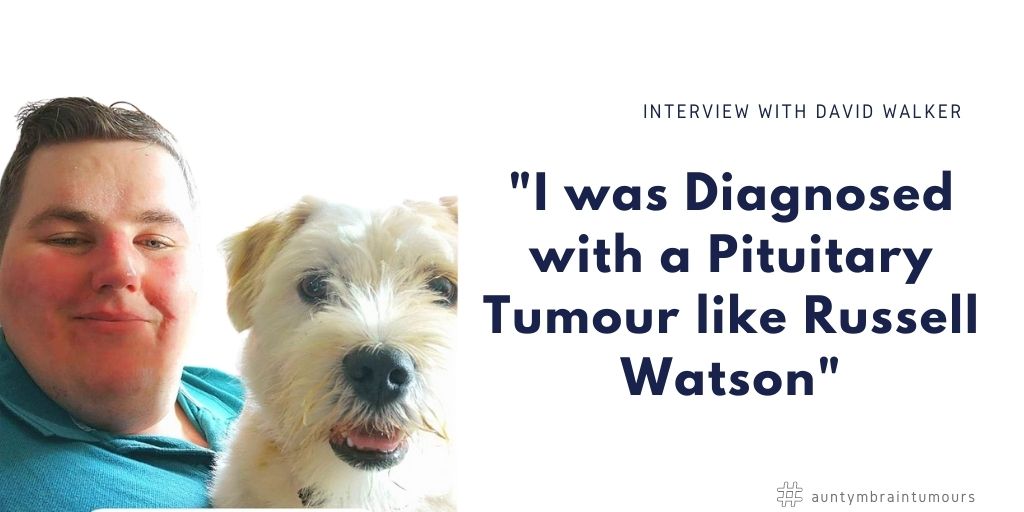
Interestingly, one of the most well-known people diagnosed with a craniopharyngioma is singer Russell Watson.
“It may be a rare brain tumour, but it has a claim to fame. It’s the same type that Russell Watson was diagnosed with.”
Life After Treatment
Today, David’s tumour appears to be gone.
He continues to have MRI scans every 30 months as a precaution, but the long-term effects of treatment remain part of everyday life.
“My craniopharyngioma now seems to be gone.”
During surgery, David’s hypothalamus was severely damaged, affecting his body’s ability to regulate hunger.
Feeling full is no longer something that comes naturally.
He also manages several hormone-related conditions and takes multiple medications every day to support his thyroid, adrenal system, immune system and kidneys.
Fatigue remains one of his biggest challenges.
“I do tend to use a day off each week just to crash and rest.”
Despite everything, David continues to work full-time and remains determined to keep moving forward.
Finding Purpose After A Brain Tumour
A brain tumour diagnosis changes how many people view life.
For David, it helped him focus on what matters most.
His nieces and nephews are a constant source of motivation.
“My end goal in life is to leave the world in a better place overall.”
That outlook extends into his working life too.
David works in a call centre and takes great pride in helping customers through difficult situations.
“I feel I’ve helped a fair few people manage their bills, repayments and get the help they need.”
His positive attitude shines through when he talks about the people he helps every day.
The Dogs Who Helped Him Recover
Not all rehabilitation comes from hospitals or treatment plans.
Sometimes support arrives with four legs and a wagging tail.
Shortly before his diagnosis, David’s family welcomed a dog called Oscar.
Oscar became an important part of David’s recovery, encouraging him to exercise, play and simply enjoy life during a difficult period.
“He was the best rehabilitation anyone could have.”
Sadly, Oscar died in 2013 following a road traffic accident.
Years later, another dog named Rusty joined the family.
Rusty looked remarkably similar to Oscar and shared many of the same personality traits.
Whether fate or coincidence, David believes Rusty arrived at exactly the right time.
“He is just as loving and has a very similar temperament.”
One Of His Proudest Achievements
When asked about the most interesting thing he has ever done, David remembers an opportunity that came shortly after his surgery.
He completed work experience with Durham Archaeological Services through Durham University.
Before that placement began, he received the SAFC Shining Through Award in recognition of completing his Year 9 SATs following his brain tumour operation.
The experience gave him confidence at a time when he was still adjusting to life after treatment.
The Toughest Challenges Of Survivorship
For many people, the end of treatment does not mean the end of challenges.
David says that stable scans and weight management were once his biggest concerns.
Today, fatigue and mental health are often the hardest battles.
Like many survivors, there are moments when he finds himself wondering what life might have looked like if things had turned out differently.
“What if I’d not woke up from my operation? What if I’d never had a brain tumour?”
Over time, he developed his own way of answering those questions.
“Tough. Life didn’t go that way. You survived. Do your best and show the brain tumour who’s boss.”
It’s a mindset inspired by many of the friends he met during treatment, some of whom sadly lost their own battles with cancer and brain tumours.
Their memories continue to motivate him every day.
Advice For Patients And Families
David believes one of the most important things patients can do is ask questions.
“If you fear you may get a bad diagnosis, take someone with you and take a notepad.”
He also wants people to know that bravery looks different for everyone.
“You don’t need to be brave if you don’t feel it. Nobody expects you to be.”
For families supporting a loved one through recovery, he encourages patience while also helping survivors regain confidence and independence.
“Don’t treat us like we’re incapable of anything.”
One piece of advice he feels strongly about is encouraging people to return to everyday tasks.
“Please don’t allow us to become lazy. It’ll be difficult at first, but it’ll benefit everyone in the long run.”
Whether it’s washing up, completing a puzzle book or walking the dog, small steps can make a huge difference during recovery.
Most importantly, David believes nobody should face a diagnosis alone.
“Talk with family, friends, your pets even. Seek out support groups. These people are in the same boat as you. It’s easier if we row together.”
Giving Back To Others
One achievement David is particularly proud of came shortly after his treatment.
In 2007, he helped launch the first official fundraising event for Sara’s Hope Foundation.
The charity provides adapted holiday opportunities for children who have experienced cancer and their families.
The event, called Walk of Hope, included a fancy-dress karaoke fundraiser organised through his family’s pub.
The chosen theme was The Village People.
When too many people selected the famous characters, David ended up attending dressed as a vicar.
It’s a story that perfectly captures the humour, community spirit and determination that have shaped his life after a brain tumour.
Looking Ahead
Today, David remains focused on spending time with his family and making the most of every opportunity life offers.
His journey is a reminder that surviving a brain tumour is only one chapter of the story.
The years that follow can bring challenges, uncertainty and lasting effects, but they can also bring perspective, purpose and a deep appreciation for the people who stand beside us.
For David, that’s what matters most.
Family, friendship and leaving the world a little better than he found it.

Brain tumor is an abnormal group of cells developing in or around the brain. Tumors can destroy healthy cells of the brain and disrupt proper brain function. Brain tumor surgery options depend on the type of brain tumor you have, how quickly a brain tumor grows and how it will affect the function of your nervous system. SIMS the Best Neuro Hospital In Chennai provides emergency care to patients with all kinds of neurological problems.