Surgery, Lasting Nerve Damage and Raising Awareness
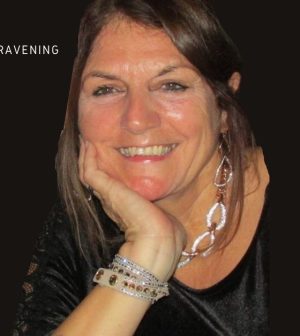
At 54, Brenda Ravening began experiencing a strange sensation in the fingers of her left hand. Over four months, that feeling spread across much of the left side of her body. An MRI eventually revealed a grade 1 haemangioblastoma on her spinal cord. Although surgery saved her life, Brenda was left with lasting neurological difficulties that changed her everyday life.
When a Strange Feeling in Her Hand Turned Out to Be Something Serious
For Brenda Ravening, the first sign that something was wrong was a strange feeling in the fingers of her left hand.
At first, she thought it might be arthritis.
It seemed like a reasonable explanation, particularly as the symptoms were initially confined to one small area.
But over the following weeks, the sensation began to spread.
Her hand felt heavy, tight and swollen, almost as though she were wearing a boxing glove.
Soon, the unusual feeling was travelling up her arm.
Brenda knew something was not right.
She visited her GP several times, but her symptoms were initially attributed to stress.
At the time, Brenda was working full-time in education, holding a senior safeguarding role with responsibility for more than 500 children.
It was a demanding job, but she did not believe work-related stress explained what was happening to her body.
By the fourth month, the abnormal sensations had spread across much of her left side.
Eventually, another GP recognised the need for a neurological assessment.
An MRI scan revealed a haemangioblastoma growing on Brenda’s spinal cord.
She was told she needed urgent surgery.
When Brenda shared her story with Aunty M Brain Tumours, she spoke openly about the fear of diagnosis, the six-hour operation and the long-term neurological difficulties that continued to affect her life.
She also explained why she had become so passionate about raising awareness of non-cancerous brain and spinal cord tumours.
Her experience is a reminder that a tumour does not have to be malignant to change someone’s life.
Brenda’s Story: Four Months of Worsening Symptoms
Brenda’s symptoms began with a strange sensation in the fingers of her left hand.
For approximately four weeks, she wondered whether arthritis might be responsible.
Eventually, she visited her GP.
The doctor believed the symptoms were related to the stress of her job and prescribed antidepressants.
But the sensation did not disappear.
Instead, it began moving up her arm.
Brenda returned to the same GP, hoping that seeing someone familiar with her symptoms would help.
She explained that her arm now felt heavy and tight.
The doctor felt that the antidepressants needed more time to work.
A further prescription followed.
By the third month, Brenda’s symptoms were becoming increasingly concerning.
The unusual sensation had spread along her left arm and across her chest and stomach.
She described the affected areas as feeling fat and heavy.
This time, she was prescribed anti-inflammatory medication alongside the antidepressants.
But the symptoms continued spreading.
By the fourth month, the sensations had reached her rectal and genital areas and extended down her leg.
Something was clearly wrong.
Brenda decided to see the other GP at the practice.
The GP Who Recognised That Brenda Needed a Neurologist
When Brenda explained how the symptoms had begun in her fingers and progressively spread across her body, the second GP responded differently.
He recognised that the pattern required specialist neurological assessment.
He recommended that Brenda see a neurologist.
For Brenda, hearing those words was frightening.
She felt increasingly certain that something serious was happening.
She was referred to Charing Cross Hospital in London, where she saw Mr David Peterson, a specialist who had previously operated on her husband.
During the consultation, the possibility of a trapped nerve or slipped disc was discussed.
Brenda’s husband remained concerned that the problem might be something more serious.
Further investigations were arranged.
Brenda needed an MRI scan with contrast.
By this stage, her symptoms were affecting more than sensation alone.
She even noticed changes in the way she wrote, including writing at an unusual angle.
Yet she was still working full-time.
She continued trying to carry on with everyday life while waiting to discover what was happening.
The MRI Scan That Revealed a Spinal Cord Tumour
Brenda returned for her MRI results on the final day of the school summer term.
She remembers entering the consulting room and seeing the scan displayed on the screen.
There was a visible abnormality.
Her specialist’s expression immediately told her that the news was serious.
When he began explaining the results, Brenda became overwhelmed.
She was angry, frightened and upset.
After months of symptoms and appointments, she was finally receiving the explanation she had been searching for.
The MRI had revealed a tumour on her spinal cord.
Brenda and her husband held each other and cried.
For the couple, the diagnosis changed everything.
And Brenda still had one of the hardest conversations ahead of her.
She needed to tell her two daughters.
Telling Her Daughters She Had a Tumour
Brenda was 54 when she received her diagnosis.
Her daughters were already adults in their thirties.
But as Brenda explained, they were still her babies.
Being a parent does not stop simply because your children grow up.
She knew that telling them about the tumour would be frightening.
Her family meant everything to her, and the thought of what might happen during treatment weighed heavily on her mind.
There was also very little time to process the diagnosis.
Her specialist explained that surgery was urgently needed.
He made it clear that waiting until Christmas was not an option.
The risks of surgery were also discussed.
Because the tumour involved her spinal cord, there was the possibility of worsening neurological symptoms, paralysis or even death.
Brenda understood how serious the situation was.
But she also knew that leaving the tumour untreated carried its own risks.
She prepared for surgery with her family beside her.
Preparing for Six Hours of Spinal Cord Surgery
Brenda arrived at the neurological ward at Charing Cross Hospital on a Sunday afternoon.
Her husband Paul and both daughters accompanied her.
As she looked around the ward, she noticed other patients struggling to walk and move normally.
Some appeared dazed or unsteady.
The sight frightened her.
She wondered whether she might be facing similar difficulties after surgery.
At that point, she could not know just how much her own life was about to change.
Brenda underwent a six-hour operation.
The aim was to remove the haemangioblastoma while protecting the surrounding spinal cord tissue as much as possible.
The spinal cord carries messages between the brain and the rest of the body.
Surgery in this area can be particularly delicate because damage to its nerve pathways may affect movement, sensation and other important functions.
For Brenda, the operation was necessary.
But when she woke up, she discovered that her symptoms had become worse.
Waking Up After Surgery With Worse Symptoms
Brenda had hoped that removing the tumour would relieve the strange sensations affecting her body.
Unfortunately, her immediate recovery was much more difficult than she expected.
The heaviness she had experienced before surgery felt even more pronounced.
She described the sensation in her stomach as though she were carrying a suitcase inside it.
It was uncomfortable, distressing and difficult to explain.
Brenda became extremely upset.
She struggled to stop crying.
Her medical team prescribed steroids as part of her postoperative care.
She later learned that there was swelling, known as oedema, following the operation.
By the Wednesday after surgery, Brenda was walking around the ward.
But she was unsteady.
She remembered looking at the other neurological patients when she first arrived and wondering what had happened to them.
Now she was experiencing similar difficulties herself.
Being Told the Tumour Was Grade 1
On the Saturday following surgery, Brenda was told that her tumour was a grade 1 haemangioblastoma.
Grade 1 haemangioblastomas are generally non-cancerous and often slow-growing.
However, that classification did not mean the tumour had been harmless.
For Brenda, its position on the spinal cord had already caused significant neurological symptoms.
The operation had also left her facing a difficult recovery.
She was relieved to be alive.
But she was discovering that surviving surgery and regaining her previous abilities were two very different things.
Learning to Walk and Manage Everyday Activities Again
After leaving hospital, Brenda began trying to rebuild her independence.
Walking was difficult.
She described moving as though she were drunk.
To improve her confidence and mobility, she began taking short walks around the block.
Sometimes she needed to hold on to walls for support.
The activities she had once managed without thinking now required enormous effort.
Brenda also struggled with the movement and coordination needed for ordinary household tasks.
Using a knife and fork was difficult.
Fastening buttons and tying shoelaces became challenging.
She found it easier to wear tracksuits because they avoided some of these problems.
She also completed word searches as a way of keeping herself mentally occupied during recovery.
These were small activities.
But for Brenda, they represented an attempt to regain control over everyday life.
When Recovery Affected Her Confidence
Brenda’s recovery also affected her eating habits and how she felt about herself.
For a period, she relied heavily on simple foods such as cakes and biscuits.
She gained weight.
At first, her weight was not something she felt able to worry about.
She was simply trying to get through each day.
But eventually, she looked in the mirror and realised how much her body had changed.
It became another aspect of her recovery that she wanted to address.
For Brenda, the difficulties were not limited to one part of her life.
Her mobility, independence, confidence and emotional wellbeing had all been affected.
The Lasting Neurological Effects of Brenda’s Spinal Tumour
One of the most important parts of Brenda’s story is that her symptoms continued long after surgery.
She still experienced abnormal sensations and heaviness affecting the left side of her body.
These difficulties could make ordinary activities physically and emotionally exhausting.
Brenda attended further appointments at Charing Cross Hospital.
She underwent MRI scans to investigate whether the tumour had returned or whether swelling might explain her symptoms.
Postoperative oedema was identified.
She also tried different approaches to managing her ongoing difficulties.
These included physiotherapy, acupuncture, TENS treatment and ketamine injections.
Unfortunately, Brenda reported that none provided meaningful relief from the persistent sensations.
She was eventually faced with the possibility that some of the changes might be permanent.
It was a difficult reality to accept.
She had survived a serious spinal cord operation.
But she was still living with its consequences.
Looking Well on the Outside While Struggling Inside
Brenda felt that one of the hardest parts of her experience was how other people perceived her.
From the outside, she could appear completely well.
Someone meeting her might not realise that she was experiencing constant abnormal sensations and difficulties with movement.
But Brenda knew that her body no longer felt the way it had before her diagnosis.
She described the difference between her outward appearance and her everyday reality:
“I look normal I am not normal, and I will never be normal again.”
For Brenda, this was one of the most frustrating parts of living with the long-term effects of her tumour.
People could see that she was alive and moving around.
They could not necessarily feel the heaviness, discomfort or exhaustion affecting her body.
This is something many people living with neurological conditions recognise.
The effects of an illness or operation are not always visible.
Someone may appear to have recovered while continuing to experience significant physical limitations.
And those difficulties deserve understanding, whether or not other people can see them.
When Getting Out of Bed Is the Hardest Part
When Brenda was asked about the toughest challenge faced by brain tumour survivors, her answer was deeply personal.
Some days, simply getting out of bed was the hardest thing she had to do.
The constant sensations affecting her body could be exhausting and upsetting.
There were mornings when she woke up wishing everything had returned to normal.
She knew that the symptoms were still there.
Sometimes she coped well.
On other days, the frustration brought her to tears.
Brenda did not pretend that remaining positive was always easy.
She recognised that living with long-term neurological difficulties could be emotionally draining.
But she also wanted to continue enjoying life.
She had her family, her grandchildren and many things she still wanted to experience.
Although her health had changed, she was determined that her life would not be defined only by her symptoms.
The Husband Who Supported Brenda Through Everything
Throughout Brenda’s diagnosis, surgery and recovery, her husband Paul remained a constant source of support.
Brenda spoke about him with enormous affection.
He had seen her through some of the most frightening moments of her life.
He had watched her cry, struggle with everyday activities and face the disappointment of persistent symptoms.
But he continued supporting her.
Her two daughters also helped her through recovery.
At times, her family needed to cut up her food or help her get in and out of the bath.
These were tasks Brenda had previously managed independently.
Accepting that assistance was difficult.
But having people who loved and supported her made an enormous difference.
Brenda recognised how much her family had done.
And when she reflected on what motivated her, her answer was simple.
Her family meant the world to her.
Finding New Purpose Through Brain Tumour Awareness
After everything she experienced, Brenda became passionate about raising awareness of brain and spinal cord tumours.
She was particularly concerned about the way people sometimes dismissed benign diagnoses.
Her own tumour was grade 1 and non-cancerous.
Yet it had required major surgery and left her with life-changing neurological difficulties.
Brenda wanted people to understand that benign did not necessarily mean harmless.
She began supporting awareness campaigns through social media.
She also became involved with The Brain Tumour Charity.
Her experiences gave her a personal understanding of why earlier recognition, appropriate referrals and specialist care matter.
Rather than keeping her story private, she wanted to use it to help others.
Taking Her Story to the Houses of Parliament
One of Brenda’s proudest achievements was speaking about her experiences at the Houses of Parliament.
She attended Parliament twice as part of brain tumour awareness activities.
It was an opportunity to help decision-makers understand the impact of brain and spinal cord tumours on real people’s lives.
For Brenda, this was especially important because her diagnosis had been described as benign.
She wanted greater recognition of the people living with long-term effects following treatment for non-cancerous tumours.
Her advocacy was also a way to turn her difficult experiences into something positive.
She could not change everything that had happened to her.
But she could use her voice to help improve awareness and understanding.
That gave her a new sense of purpose.
Supporting Brain Tumour Fundraising
Brenda also became involved in fundraising activities.
One memorable occasion was The Twilight Walk at Windsor, where she spent time with her family while supporting brain tumour awareness and research.
For someone who had experienced significant walking difficulties after surgery, taking part in events that brought the brain tumour community together had particular meaning.
She also had opportunities to meet people involved in brain tumour research, including Professor Geoffrey Pilkington, at Parliament.
These experiences helped her feel connected to a wider community.
Brenda wanted people affected by brain tumours to receive better support and recognition.
And she was determined to contribute wherever she could.
Learning to Appreciate Life Differently
Although Brenda continued living with the effects of her spinal tumour, she also developed a different outlook on life.
She became less concerned with small problems.
Instead, she tried to make the most of the opportunities available to her.
By the time she shared her story, Brenda had retired from work.
She enjoyed spending time with her husband, daughters and four grandchildren.
Two of her grandchildren lived in Scotland, giving her plenty of reasons to travel north.
She and Paul also enjoyed holidays abroad.
Brenda had visited the Caribbean and the Falkland Islands.
During a trip to the Bahamas, she even swam with sharks and pigs.
These experiences brought her happiness.
They were reminders that although life had changed following her operation, there were still adventures to enjoy.
Making Every Day Count
Brenda had also experienced painful losses within her family.
Two of her sisters had died from cancer, one aged 61 and the other aged 59.
These experiences made her particularly aware of how precious life could be.
At 64, she felt grateful for the time she had.
Her tumour and surgery had left lasting difficulties.
But she wanted to continue creating memories with the people she loved.
For Brenda, living well did not mean pretending her symptoms had disappeared.
It meant recognising the difficulties while still making room for the things that brought her happiness.
 |
 |
What Brenda’s Story Teaches Us About Spinal Cord Tumours
Brenda’s story began with a strange sensation in her fingers.
Over four months, that feeling gradually spread across her left arm, chest, abdomen and leg.
Despite repeated GP visits, she initially received treatment for stress.
It was only after seeing another doctor that she was referred for neurological investigations.
An MRI scan revealed a haemangioblastoma on her spinal cord.
She underwent a six-hour operation, knowing that paralysis or other serious complications were possible.
Although she survived surgery, she woke up with worsening symptoms.
The neurological effects continued long afterwards, affecting her mobility, sensation and independence.
But Brenda’s story is not only about those challenges.
It is also about her husband Paul, her daughters and grandchildren, the family who supported her through recovery and the new purpose she found through advocacy.
She became involved in awareness campaigns, attended Parliament and helped raise funds for brain tumour research.
Perhaps the most important message from her experiences is that a non-cancerous tumour can still cause serious, lasting neurological difficulties.
A successful operation does not always mean every symptom disappears.
Some people need rehabilitation and support long after treatment.
Others may have to adjust to changes that become part of their everyday lives.
Brenda wanted people to understand that reality.
And through sharing her experiences, she was helping make those invisible challenges more visible.
Thank you to Brenda Ravening for speaking so openly about her spinal haemangioblastoma, the difficult recovery and her determination to raise awareness.
Her story reminds us why every brain and spinal tumour experience deserves to be heard.
This article reflects Brenda’s experiences at the time of her original interview. It does not represent an update on her current health or personal circumstances.
What Is a Spinal Haemangioblastoma?
A spinal haemangioblastoma is a rare, usually non-cancerous tumour associated with blood vessels that develops in or around the spinal cord.
Haemangioblastomas can occur in different parts of the central nervous system, including the cerebellum, brainstem and spinal cord.
They are usually classified as CNS WHO grade 1 tumours.
Although many grow relatively slowly, their location can cause significant problems.
The spinal cord carries nerve signals between the brain and the rest of the body.
A tumour affecting this area may place pressure on nerve pathways or be associated with swelling, causing neurological symptoms.
Even a small tumour can be serious if it affects an important part of the spinal cord.
What Are the Symptoms of a Spinal Haemangioblastoma?
Symptoms depend on the tumour’s position and its effect on the spinal cord.
They may include:
- Numbness or tingling in the arms or legs
- Changes in sensation
- Weakness or heaviness in the limbs
- Difficulty walking or maintaining balance
- Neck or back pain
- Problems with coordination
- Bladder or bowel difficulties
- Increasing difficulty with everyday movements
For Brenda, the earliest symptom was an unusual feeling in her left-hand fingers.
Over several months, that sensation spread across much of her body.
Her experience highlights why progressive neurological symptoms require medical assessment.
Symptoms such as numbness or tingling can have many causes and do not automatically indicate a tumour.
However, worsening weakness, new bladder or bowel dysfunction, or numbness around the genital or saddle area require urgent medical attention.
How Is a Spinal Haemangioblastoma Treated?
Treatment depends on the tumour’s size, location, growth and effects on neurological function.
Surgery is commonly used when a haemangioblastoma is causing symptoms and can be removed safely.
Some smaller tumours without symptoms may be monitored through regular MRI scans.
Other treatments may be considered in selected circumstances, particularly when surgery is not suitable.
Because these tumours can be highly vascular and develop close to sensitive spinal cord structures, treatment requires specialist planning.
Can Symptoms Continue After Surgery?
Yes. Some people continue experiencing neurological difficulties after surgery, even when the tumour has been successfully removed.
Possible reasons include damage or changes to nerve pathways caused by the tumour, swelling or the operation itself.
Recovery varies considerably between individuals.
Some people experience improvements over time, while others may have lasting symptoms.
Rehabilitation and symptom management can help people adapt and maintain as much independence as possible.
Brenda’s story illustrates why continued support may be needed long after surgery.
Is a Haemangioblastoma Linked to Von Hippel-Lindau Disease?
Some haemangioblastomas occur independently.
Others are associated with von Hippel-Lindau (VHL) disease, a rare inherited condition that can increase the risk of developing tumours in several parts of the body.
Not everyone with a haemangioblastoma has VHL.
A specialist may recommend assessment depending on factors such as age, family history and whether multiple tumours are present.
Brenda’s original account does not establish a VHL diagnosis, so one should not be assumed.
Read More Haemangioblastoma Stories
Every haemangioblastoma story is different.
Some people are diagnosed with tumours in the brain, while others, like Brenda, have tumours affecting the spinal cord.
Treatment and recovery can also vary considerably.
You can explore more experiences on Aunty M Brain Tumours.
Read Jo Barlow’s Haemangioblastoma Story
Jo experienced severe headaches, dizziness and balance problems before an MRI revealed a haemangioblastoma. Her story explores brain surgery and the invisible symptoms that continued afterwards.
Explore more Haemangioblastoma Stories
If You Have Recently Been Diagnosed With a Haemangioblastoma
If you have found this page after being diagnosed with a haemangioblastoma in your brain or spinal cord, please know you are not alone.
You may have been told that your tumour is benign or non-cancerous.
While that can be reassuring, it does not necessarily make the diagnosis any less frightening.
Depending on where your tumour is located, you may be facing surgery, regular MRI scans or treatment for neurological symptoms.
Some people recover well following surgery.
Others continue living with weakness, numbness, pain, balance problems or other long-term effects.
Try not to compare your journey too closely with anyone else’s.
Another person’s recovery or treatment outcome does not determine what will happen to you.
Ask questions, seek reliable information and take things at your own pace.
You deserve support during treatment and afterwards.
Where to Go After a Haemangioblastoma Diagnosis
If you or someone you love has been diagnosed with a haemangioblastoma, these organisations can offer information, practical guidance and emotional support.
The Brain Tumour Charity
Provides information about brain and spinal cord tumours, diagnosis, treatment and living with long-term effects.
It also offers support for patients and families.
Visit The Brain Tumour Charity
Brainstrust
A UK charity providing personalised practical and emotional support for people affected by brain tumours.
Its services include coaching, information and help navigating the challenges of living with a tumour.
Brain Tumour Support
Provides practical and emotional support to people affected by brain and spinal cord tumours, including their families and carers.
Brain Tumour Research
Funds research into brain tumours and campaigns for greater awareness and investment.
Macmillan Cancer Support
Offers information about haemangioblastomas, symptoms, treatment and managing the effects of brain and spinal cord tumours.
Cancer Research UK
Provides medically reviewed information about haemangioblastomas, their symptoms and available treatments.
NHS Neurology, Neurosurgery and Rehabilitation Services
If you are experiencing lasting neurological difficulties following spinal cord tumour treatment, specialist rehabilitation may be helpful.
Depending on your individual needs, support may include:
- Physiotherapy for walking, balance and movement
- Occupational therapy for daily activities and independence
- Specialist pain management
- Neurological rehabilitation
- Psychological support for emotional adjustment
- Further assessment of persistent numbness, weakness or sensory changes
Ask your GP, specialist nurse or neurosurgical team about appropriate referrals.
Would You Like to Share Your Haemangioblastoma Story?
At Aunty M Brain Tumours, I believe that every person’s experience deserves to be heard.
Whether your tumour developed in your brain or spinal cord, whether you have undergone treatment or are being monitored, your experiences may help someone else feel less alone.
You do not have to have experienced a dramatic complication for your story to matter.
Every experience adds to our understanding of living with these rare tumours.
Find out how to share your brain tumour story
Medical disclaimer: This article shares Brenda’s personal experiences and provides general information for awareness and peer support. It is not intended to replace medical advice, diagnosis or treatment from qualified healthcare professionals.


Claire Bullimore is an influential figure in the brain tumour community. She embarked on her brain tumour journey and was diagnosed with an intraventricular meningioma. In response to her experiences, Claire founded ‘Aunty M Brain Tumours,’ a platform dedicated to sharing brain tumour stories. Based in London, England, Claire also identifies as a blogger and speaker for Aunty M Brain Tumours, shedding light on the challenges faced by those diagnosed and amplifying their voices for better awareness and support. Through her dedication and advocacy, Claire’s efforts have been recognized by Brain Tumour Research and other organizations, spotlighting her commitment to making a positive difference for individuals impacted by brain tumours.

I am a doctor, sad about your disease , but inspite being a developing country we would have diagnosed this condition long back, most people with some amount of money atleast living in bigger cities of India can get immediate access to specialist and can get scans done in hours.
Really strange he couldn’t diagnose it earlier.