Angela Lee’s Pituitary Tumour Story: “I Turned My Brain Tumour Into My Why”
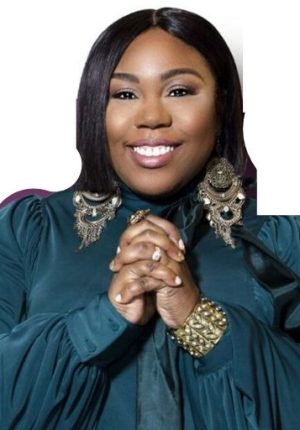
Angela Lee, from Atlanta, Georgia, was diagnosed with a brain tumour on 20 July 2018 after months of symptoms that she first thought might be hormonal changes, early menopause, or the after-effects of a previous procedure.
Angela was over 40, an African American woman, and had recently had a uterine fibroid embolization procedure in March 2018.
When her mood began changing, her periods stopped, and she started feeling unlike herself, she tried to make sense of it.
Her husband noticed something was wrong first.
After celebrating their second wedding anniversary on 3 July, he began telling Angela that something had changed. She was having mood swings and becoming brief with him during simple conversations.
At first, Angela was reluctant to accept it.
“I thought my body was going through early menopause.”
But the symptoms continued.
Eventually, abnormal blood tests showed issues with her thyroid levels and extremely high prolactin. An MRI was ordered — and that MRI confirmed Angela had a brain tumour.
Symptoms Angela Experienced Before Diagnosis
Before her diagnosis, Angela had a long list of symptoms, many of which could easily be mistaken for hormone changes, stress, tiredness, or other conditions.
Her symptoms included:
- A year without a menstrual cycle, also known as amenorrhea
- Frequent, excruciating headaches
- Nausea
- Profuse sweating
- Hair loss
- Breast tenderness
- Insomnia
- Depression
- Mood swings
- Outbursts of crying
- Low libido
- Lack of energy
- Unexplained weight gain
Looking back, Angela now understands how much her body was trying to tell her.
Her abnormal blood tests showed underactive thyroid and high prolactin levels, which led to the MRI that confirmed her diagnosis.
Angela’s care involved a multidisciplinary team, including her family doctor, neurologist and endocrinologist.
Being Told She Could Lose Her Sight
One of the most frightening moments came when Angela’s neurologist explained that she could possibly lose her sight.
Angela remembers going “deaf for a moment” as he continued to explain the possible side effects of the condition.
“I saw my entire life frozen as I fought back the tears.”
In that moment, Angela thought about all the dreams she had not yet fulfilled.
Instead of allowing the diagnosis to stop her, she made a decision.
“I turned the brain tumour into my why.”
For Angela, the diagnosis became a reason to stop procrastinating and start living with purpose.
“I can’t afford to procrastinate anymore.”
Naming Her Brain Tumour “SAM”
Angela named her brain tumour SAM, which she says has the biblical meaning “God has heard.”
Naming the tumour gave Angela a way to talk about it, face it, and document what she was going through.
She kept photos and videos of her journey hidden on her phone before she was ready to share them more openly.
Now that Angela is open about her diagnosis, she says it has been interesting to see the tenacity she found within herself.
“I became my cheerleader rooting for myself to win the biggest game of my life.”
Treatment and Monitoring
Angela is currently being treated with medication.
She takes Cabergoline 0.5 mg, half a tablet twice weekly for her brain tumour and Unithroid 100 mcg daily for hypothyroidism.
She visits her doctor every six months to check whether the tumour is responding to medication.
If the tumour does not respond as hoped, Angela says the next option would be transsphenoidal surgery, a type of surgery often used for pituitary tumours where surgeons reach the pituitary gland through the nose.
For now, Angela says she is doing well.
“Great at the moment. My life is a roller coaster ride with side effects, but I push through.”
Angela also says her faith plays a major role in how she copes. She holds onto God’s promises and refers to Mark 11:24 as part of her healing journey.
Life as an Emergency Room Travel Nurse
Angela is an Emergency Room Travel Registered Nurse.
Her work is demanding. She cares for people in critical and minor emergencies, often in high-pressure situations where patients are depending on her to provide extraordinary care.
“I am saving others’ lives while sacrificing my own.”
Since her diagnosis, Angela has become more conscious of self-care, health choices and patient education.
She is researching information from organisations such as The Pituitary Foundation, Endocrine.org and the National Brain Tumor Society so she can better understand her condition and help others.
As a nurse, Angela had worked for nine years before her own diagnosis, yet she had never heard of this specific condition.
Now, when she meets patients with similar symptoms, she encourages them to speak to their doctor about checking thyroid and prolactin levels.
She wants people to understand that hormonal symptoms can sometimes be connected to pituitary or thyroid issues.
Why Angela Wants to Raise Awareness
Angela says pituitary adenomas causing hyperprolactinemia can be misdiagnosed or treated incorrectly because the symptoms are often hormonal and may not be detected until imaging is done.
She wants more people to know that this condition can affect women, men and children from different ethnicities, ages and backgrounds.
Angela is passionate about spreading awareness because she knows what it feels like to live with symptoms, uncertainty and frightening possibilities.
Her mission is to use both her medical experience and her personal story to help others become active participants in their own health.
Faith, Family and Personal Heroes
Angela’s first hero is God.
She also names her mother as one of her heroes, because her mum has given so much of herself so Angela could chase her dream of becoming a professional transformational speaker.
Angela’s dream is to meet Oprah.
She was also deeply moved by Kodi Lee, the America’s Got Talent contestant who is blind and was led onto the stage by his mother. Watching him perform made Angela cry.
For Angela, it felt like confirmation.
Even if she lost her sight, she could still pursue her dream.
“That was an eye-opener for me.”
Angela also mentions Daymond John, Grant Cardone, Bishop T.D. Jakes, Pastor Touré and Sarah Jakes Roberts, and Gregg Leakes, a cancer survivor who encouraged her when she was newly diagnosed and uncertain about what to expect.
The Toughest Challenge
For Angela, one of the toughest challenges was waking up every day with the “what if” questions.
What if things got worse?
What if she lost her sight?
What if she never fulfilled her dreams?
She also had to face the reality that she had once felt completely healthy and was now living with something the size of a grape inside her head.
“SCARY!”
Acceptance was a turning point.
Once Angela accepted that this condition was now part of her life, she began to see the fight differently.
“This fight wasn’t just about me.”
She believes her experience can touch and inspire other people.
Creating a Supportive Community
Angela created a private Facebook group called Surviving a Brain Tumor to encourage others in similar situations not to give up.
She also hosts monthly health challenges on Facebook to help people become more conscious of self-care.
Her aim is to become a world-sought transformational speaker and self-care advocate while spreading awareness about both her brain tumour and hypothyroidism.
Angela wants to help people make healthier choices, take symptoms seriously, and find support earlier.
Angela’s Advice: A.S.K.
Angela uses the acronym A.S.K. when giving advice to people facing a daunting diagnosis.
A — Amplify Your Goals
Angela encourages people to embrace the thing they feel is hindering them from fulfilling their dreams.
Instead of allowing the diagnosis to become the reason to stop, she believes it can become the reason to start.
S — Seek Support
Angela says it is important to surround yourself with positive people.
You need people who can be cheerleaders, pushers, loyal confidants and energisers when you feel like giving up.
K — Kick Negative Habits
Angela encourages people to challenge the habits that keep them stuck.
That might mean making excuses, avoiding self-care, eating in ways that do not support your health, not moving your body, or accepting invitations to a “pity party.”
For Angela, self-care is not selfish. It is part of survival.
Angela’s Self-Care Message
Angela witnesses life and death as an Emergency Room Travel Nurse.
She sees how quickly things can change, and that is one of the reasons she campaigns for people to chase their dreams before it is too late.
Her self-care suggestions include:
- Reporting symptoms to a doctor quickly
- Not using Google to self-diagnose
- Creating a gratitude journal
- Making a “count my blessings” jar
- Taking 15 to 30 minutes to meditate
- Looking for travel deals and experiences
- Creating a vision board or bucket list
- Becoming an active participant in your own health
Angela’s mission is to empower and educate others using both her medical expertise and her personal experience.
How to Connect With Angela
You can connect with Angela Lee online:
Facebook, Instagram and LinkedIn:
@angelametamorphosiscoach
Twitter/X:
@Coachangie5
Website:
www.coachangielee.com
Angela also runs a private Facebook group called Surviving a Brain Tumor for people looking for encouragement and support.
About Angela’s Tumour: Pituitary Adenoma and Hyperprolactinemia
From Angela’s answers, her tumour appears to be a pituitary adenoma causing hyperprolactinemia, often known as a prolactinoma when the tumour produces too much prolactin.
The pituitary gland is a small gland at the base of the brain. It helps control many hormones in the body.
When prolactin levels are too high, it can affect menstrual cycles, fertility, breast symptoms, libido, mood and energy. In some cases, if a pituitary tumour is large enough, it can also press on nearby structures and affect vision.
Angela’s symptoms included a year without a menstrual cycle, high prolactin levels, headaches, breast tenderness, mood changes, low energy and unexplained weight gain.
Her treatment includes cabergoline, a medication commonly used to lower prolactin levels and help shrink prolactin-producing pituitary tumours. She is also treated for hypothyroidism with Unithroid.
Treatment for pituitary tumours can vary depending on the tumour type, size, hormone levels, symptoms and response to medication. Some people are treated with medication and regular monitoring, while others may need surgery, radiotherapy or a combination of treatments.
Support for People With Pituitary Tumours and Hyperprolactinemia
A pituitary tumour diagnosis can feel frightening, especially when symptoms have been confusing or misdiagnosed for a long time.
Support is available, and it can help to speak with organisations that understand pituitary conditions, brain tumours, hormone changes and life after diagnosis.
The Pituitary Foundation is a UK charity supporting people affected by pituitary conditions. They offer information, support groups, helplines and resources for people living with pituitary tumours, acromegaly and other pituitary conditions.
Macmillan’s Online Community: A support group for people with a pituitary tumour & their loved ones. Pituitary gland tumours are a type of brain tumour and are usually benign (not cancerous). Join the group to share experiences & emotional support
Your Medical Team
People with pituitary tumours may be supported by several specialists, including an endocrinologist, neurologist, neurosurgeon, ophthalmologist and family doctor or GP.
Angela’s story shows why it is important to report symptoms, ask questions and follow up when something does not feel right.
Angela’s Message
Angela’s story is about symptoms that were first mistaken for hormones, stress, age or menopause.
It is about the fear of being told she could lose her sight.
It is about faith, acceptance, self-care and choosing to turn a frightening diagnosis into a reason to live with purpose.
Angela named her tumour SAM — “God has heard.”
And through her story, she wants others to hear this too:
Do not ignore your symptoms.
Do not give up on your dreams.
Ask questions.
Seek support.
And become an active participant in your own health.