From Seizures to Brain Surgery and Finding Strength Through Support
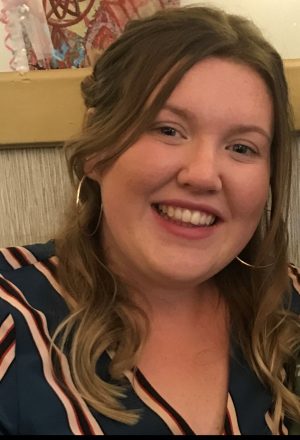
When Kimberley Baggley experienced a week of unbearable headaches, she knew something wasn’t right. Despite years of migraines and unexplained episodes, nothing had prepared the 25-year-old teacher and mum for the diagnosis that followed: a grade 3 astrocytoma. In this interview, Kimberley shares her experience of brain surgery, treatment, motherhood and the support that helped her find her way forward.
When Something Doesn’t Feel Right
Kimberley Baggley was a busy primary school teacher from Stoke-on-Trent, enjoying family life with her husband and young son, George.
Her days were filled with teaching, looking after her family and making plans for the future.
But for years, Kimberley had been living with migraines.
They had started when she was just 13, and although they became increasingly severe as she got older, she continued managing them with medication.
Then there were the strange episodes when she would suddenly become unaware of what was happening around her.
At university, a friend once asked Kimberley whether she was even listening because she had completely lost track of their conversation.
Kimberley later learned that these episodes were seizures. At the time, however, they had been attributed to anxiety or panic attacks.
She continued seeking medical advice as her symptoms became more frequent.
Then, in June 2023, Kimberley experienced a headache unlike anything she had known before.
What followed changed her life.
A Week of Severe Headaches and a Frightening Seizure
The headache began on a Sunday.
By Tuesday, Kimberley was in so much pain that she had to leave work.
She described it as a “headache from hell”.
Throughout the week, she was mostly confined to bed, leaving only to visit her GP and A&E.
Despite repeatedly seeking medical help, she still didn’t have an explanation for the severity of her symptoms.
She recalls being told that stress could be contributing to her headaches and being encouraged to try relaxation.
But Kimberley knew this was different from her usual migraines.
The following Sunday, her husband took George to his swimming lesson.
When they returned home, they found Kimberley having a serious seizure.
She was unconscious.
An ambulance was called, and Kimberley was taken to hospital.
Her family continued asking for further investigations, and she eventually underwent a brain scan.
The results revealed a large tumour on the right side of her brain.
After years of unexplained symptoms, Kimberley finally had an answer. But it was an answer nobody wanted to hear.
“You’ve Got a Brain Tumour”
Kimberley was admitted to the neurosurgical ward at Royal Stoke University Hospital.
While waiting for the results, she had asked that her family be present if there was anything seriously wrong.
Unfortunately, when the consultant came to explain the findings, Kimberley was alone.
She remembers hearing the words:
“You’ve got a brain tumour.”
It was a moment she would never forget.
Initially, Kimberley understood that the medical team thought the tumour might be benign. She tried to remain optimistic, believing that she could get through whatever treatment was necessary.
Further investigations established that she had a grade 3 astrocytoma, a high-grade brain tumour.
Suddenly, the life she knew had changed.
There was surgery to prepare for, treatment to consider and a future that no longer felt certain.
For Kimberley, the way she received the diagnosis remained difficult to come to terms with.
It also made her realise how important it is for patients to feel heard, supported and given the opportunity to have loved ones beside them during difficult conversations.
Brain Surgery and the Message Kimberley Recorded for George
Kimberley’s neurosurgeon wanted to operate as soon as possible.
However, surgery was delayed because she had previously been given aspirin during treatment for her headaches, which increased the risk of bleeding.
She remained in hospital while the medical team monitored her seizures and prepared for the operation.
It was during this time that the seriousness of her situation began to sink in.
Kimberley was frightened about what might happen during surgery.
As a mum, her greatest concern was George.
Before the operation, she recorded a video on her phone for him, explaining how much she loved him and how proud she would always be of him if she did not survive.
It was one of the most emotional moments of our conversation.
At just 25 years old, Kimberley was preparing for the possibility that she might not see her son grow up.
In June 2023, she underwent a craniotomy at Royal Stoke University Hospital.
Her surgical team successfully removed approximately 95% of the tumour.
But although the operation was an important step in her treatment, her recovery was far from straightforward.
A Second Operation, Infection and Sepsis
After her first operation, Kimberley spent only a few days at home before becoming unwell again.
She had developed an infection affecting the bone at the site of her surgery.
She needed another operation to remove part of her skull bone.
A Hickman line was also inserted to administer intravenous antibiotics.
Further complications followed when Kimberley developed sepsis, a life-threatening response to infection.
She spent much of the next few months in hospital, dealing with one medical problem after another.
Looking back, Kimberley explained that she had been so focused on getting through each new complication that she barely had time to think about the brain tumour itself.
Everything happened so quickly.
There were operations, treatments and hospital stays, followed by the challenge of recovering from them.
It wasn’t until she returned home that the emotional impact of everything began to catch up with her.
Six Weeks of Radiotherapy and the Start of Chemotherapy
The complications following surgery delayed Kimberley’s radiotherapy.
She eventually underwent a six-week course of treatment in autumn 2023, completing it shortly before Christmas.
Radiotherapy brought significant fatigue.
After attending treatment each day, Kimberley often returned home needing to sleep.
She described the exhaustion as one of the hardest parts.
At the time of our interview in 2024, she had also begun chemotherapy and had completed three cycles of a planned twelve-month course.
Some cycles were more manageable than others.
But the fatigue remained challenging, affecting what she could do at home and how much energy she had for family life.
While the treatment was important for managing her tumour, Kimberley was also learning how to cope with its effects on her body and everyday routines.
Helping George Understand His Mum’s Brain Tumour
Throughout her treatment, Kimberley and her husband tried to protect George from some of the most frightening moments.
When he visited her in hospital, they tried to choose days when she was feeling relatively well.
But George knew his mum was poorly.
He had questions, including one that no parent wants to hear.
“Mum, are you going to die? I don’t want you to die.”
Kimberley was grateful for the understanding and support George received from his school and her clinical nurse specialist.
One resource she found especially useful was Nurse Ted, a children’s book that helps families explain brain tumours.
Her specialist nurse arranged copies for home and school, allowing George to explore difficult questions in a way he could understand.
This part of Kimberley’s experience stayed with me.
A brain tumour diagnosis doesn’t affect only the person receiving treatment. Children may have worries they find difficult to express, particularly when they are afraid of upsetting their parents.
For Kimberley, having supportive adults and appropriate information around George helped her feel that he was being cared for too.
The Emotional Side of Recovery and Losing Independence
During her hospital stays, Kimberley concentrated on getting better.
But once she was home, she had more time to think about everything that had happened.
That was when she began struggling emotionally.
Before her diagnosis, Kimberley had been an independent person. She was a teacher, a mum and someone her friends often came to for advice.
After surgery, she found herself relying on others in ways she never had before.
She was no longer driving, couldn’t return to teaching at that stage and had to adjust to changes in her energy, emotions and concentration.
She also noticed that she could become overwhelmed or irritable more quickly than before.
Kimberley felt that her tumour, anti-seizure medication and other treatments were affecting how she responded to situations.
Sometimes, she simply needed five minutes alone.
She would sit quietly, without her phone or television, until she felt ready to return to family life.
It was a small adjustment, but one that helped her manage difficult moments.
The Loss of Her Driving Licence
When I asked Kimberley what she found hardest, she spoke about losing her independence.
Not being able to drive meant relying on others to take her to appointments, visit friends and manage everyday activities.
She particularly missed the spontaneous outings she used to enjoy with George and his friends during the school holidays.
The diagnosis had changed the practical things that made her feel like herself.
For Kimberley, losing her driving licence was about much more than transport.
It affected her confidence, identity and freedom.
The uncertainty surrounding when she might be able to drive again added to the frustration.
As we discussed during the interview, this is something many people affected by brain tumours find difficult, particularly when they have always been independent.
Finding Support for Her Mental Health
Kimberley received specialist neuropsychological support to help her process everything she had experienced.
She found this especially valuable once the immediate medical emergencies had passed.
It gave her space to talk about fear, frustration, loneliness and the changes in her life.
Kimberley also became aware that not everybody receives the same access to support.
She had met another brain tumour patient online whose experience of aftercare was very different.
That concerned her.
She wanted other patients to have access to specialist nurses, psychological support and people who understood their diagnosis, regardless of where they lived.
The People Who Helped Kimberley Through Treatment
Throughout our conversation, Kimberley repeatedly spoke about the importance of the people around her.
Her family and friends were there during hospital admissions and recovery, offering practical help and emotional reassurance.
She was especially grateful to the cancer clinical nurse specialists at Royal Stoke University Hospital.
Kimberley spoke warmly about Louise and Catharine, who helped answer questions, explain treatment and support both her and her family.
She also praised her neurosurgeon, Miss Alban, for her understanding and compassion.
During one hospital admission, Kimberley was seriously ill with sepsis on her birthday.
Her surgeon arranged for her to have a side room so her family could visit.
It may have seemed like a small gesture, but it meant a great deal to Kimberley.
She was frightened and needed her loved ones around her.
Finding Other People Who Understood
Although Kimberley’s family and friends were incredibly supportive, she sometimes struggled to explain how she felt.
They cared about her, but they had not experienced a brain tumour themselves.
Kimberley wanted to talk to people who understood the challenges of surgery, treatment, uncertainty and recovery.
She found that connection through Brain Tumour Support, attending local face-to-face groups and speaking with others affected by brain tumours.
She also found information and encouragement through The Brain Tumour Charity.
These connections helped her feel less isolated.
They also gave her an opportunity to support others.
As a teacher, Kimberley had always enjoyed helping people.
Sharing what she had learned with another patient gave her back some of that sense of purpose.
Small Achievements, Family Laughter and Finding Purpose Again
One of the most helpful pieces of advice Kimberley received came from a nurse who encouraged her to recognise every small achievement during recovery.
Before her diagnosis, clearing the dinner table or helping with the washing-up would have seemed insignificant.
After months of hospital treatment, these activities became meaningful milestones.
Kimberley learned to celebrate what she could manage rather than focusing only on what she could no longer do.
She also enjoyed walking the family dog when she felt well enough.
Some days she had the energy to get outside.
Other days she needed to rest.
She learned that both were part of recovery.
Finding Humour During Difficult Times
Despite everything, Kimberley still found moments to laugh.
During one hospital stay, she wandered away from her ward while looking for a coffee and somehow ended up in another part of the hospital.
A member of staff eventually helped her find her way back.
The incident became something Kimberley could laugh about afterwards.
Her dad also helped lift her spirits by arriving at the hospital with a new joke each day.
These moments didn’t take away the fear or difficulties, but they gave Kimberley something enjoyable to remember during a challenging time.
Turning Her Experience Into Awareness
Kimberley became involved in fundraising and campaigning for brain tumour awareness.
She supported local fundraising activities and The Brain Tumour Charity’s It’s a No Brainer campaign, which was calling for improvements to brain tumour care and a national strategy.
Her experiences before diagnosis had made her passionate about greater awareness of symptoms and the importance of listening to patients.
She was grateful for the outstanding care she received from her specialist team, but she also believed that earlier recognition of her symptoms could have made a difference.
By sharing her story, Kimberley hoped to help improve things for other patients.
What Kimberley’s Experience Can Teach Newly Diagnosed Patients
When I asked Kimberley about the lessons she had learned, several important messages stood out.
These are practical things that someone newly diagnosed with an astrocytoma may find helpful.
1. Ask questions and speak up when something doesn’t feel right.
Kimberley repeatedly sought medical help because her symptoms were changing. If you have unexplained or worsening symptoms, ask your healthcare professional whether further assessment is needed and what signs should prompt urgent attention.
2. Find out who your clinical nurse specialist is.
Kimberley’s specialist nurses were an enormous source of reassurance. Ask your medical team who you can contact between appointments and where to get answers about medication, symptoms or treatment.
3. Don’t overlook your emotional wellbeing.
Kimberley found the emotional impact particularly difficult after coming home. Neuropsychological support helped her process what had happened. If you’re struggling, ask about counselling, neuropsychology or psychological support.
4. Find people who understand.
Speaking with other patients through Brain Tumour Support helped Kimberley feel less isolated. You may find local groups, online communities or one-to-one support useful.
5. Recognise small achievements.
Recovery doesn’t always happen in big milestones. For Kimberley, helping around the house or managing a short walk could be something to celebrate.
6. Accept help when it’s offered.
Kimberley was accustomed to looking after others, so accepting help was difficult at first.
But she came to understand that allowing family and friends to support her was important.
Her message was simple: you don’t have to manage everything on your own.
These are lessons from Kimberley’s individual experience, rather than instructions for everyone to follow. Your specialist team can help you decide what support is right for you.
Kimberley’s Story: Finding Her Way Forward
What stays with me most about Kimberley’s interview is how suddenly her life changed.
She went from being a busy teacher and mum to spending months in hospital, recovering from brain surgery, dealing with serious complications and beginning cancer treatment.
But there was so much more to her experience than the medical side of things.
There was the video she recorded for George before surgery.
The nurses who listened to her and supported her family.
The moments of loneliness when she no longer felt like herself.
And the little things, from walking her dog to her dad’s daily jokes, that helped her through difficult days.
Kimberley was honest about losing her independence, struggling emotionally and learning to accept help.
She didn’t pretend that everything was easy.
Instead, she shared how finding the right support and recognising small achievements helped her begin moving forward.
For someone newly diagnosed with an astrocytoma, I think that is one of the most valuable things to take from her story.
You don’t have to feel positive every day. You don’t have to manage everything by yourself. And you can ask for help with the difficulties that people around you may not be able to see.
Thank you, Kimberley, for trusting me with your story and helping raise awareness of what life with a brain tumour can really involve.
About Grade 3 Astrocytoma: What Newly Diagnosed Patients Should Know
A grade 3 astrocytoma is a high-grade glioma, a type of brain tumour arising from cells within the central nervous system.
Grade 3 tumours generally grow more aggressively than lower-grade astrocytomas and require specialist assessment and treatment.
Today, doctors use molecular testing, including IDH mutation status, to classify adult diffuse gliomas more precisely.
Kimberley’s published diagnosis is grade 3 astrocytoma, but her specific molecular classification has not been confirmed in the information shared for this article.
What Are the Symptoms of a Grade 3 Astrocytoma?
Symptoms depend on the tumour’s location and how it affects the brain.
Possible symptoms include:
- Seizures or episodes of altered awareness
- Persistent or worsening headaches
- Nausea or vomiting
- Weakness or coordination difficulties
- Changes in speech, memory or concentration
- Vision changes
- Changes in personality, mood or behaviour
Kimberley’s symptoms included severe headaches and episodes later recognised as seizures.
These symptoms can also occur for reasons unrelated to brain tumours. New or worsening neurological symptoms should be medically assessed. A first seizure or sudden stroke-like symptoms require emergency medical attention.
What Treatment Might Be Recommended?
Treatment is planned according to the precise tumour diagnosis, molecular test results, location and individual circumstances.
Depending on these factors, options may include:
Surgery: To remove as much tumour as safely possible.
Radiotherapy: To help control tumour cells remaining after surgery.
Chemotherapy: Some patients receive chemotherapy as part of their treatment plan.
MRI monitoring: Regular scans to monitor the tumour and assess treatment response.
Rehabilitation and supportive care: Help with seizures, fatigue, cognition, movement, emotional wellbeing and the practical effects of treatment.
Kimberley’s treatment included surgery, radiotherapy, chemotherapy and specialist psychological support.
For a detailed explanation of your own tumour and treatment options, speak to your neuro-oncology team and ask about the results of your pathology and molecular tests.
Where to Find Support After an Astrocytoma Diagnosis
If you’ve recently been diagnosed with an astrocytoma, there are organisations that can help you understand your diagnosis, prepare for treatment and find emotional or practical support.
Brain Tumour Support
https://www.braintumoursupport.co.uk/
Offers individual support, local groups and opportunities to meet others affected by brain tumours. Kimberley found its peer support particularly valuable.
The Brain Tumour Charity
https://www.thebraintumourcharity.org/
Provides information about brain tumour types, symptoms, treatment and life after diagnosis, alongside support services for patients and families.
Brainstrust
Offers personalised support and coaching, including help with questions about appointments, treatment and life with a brain tumour.
Brain Tumour Research
https://braintumourresearch.org/
Funds research and campaigns for improvements in brain tumour awareness and treatment.
Your Specialist Medical Team
Your clinical nurse specialist, GP or neuro-oncology team can help you access appropriate rehabilitation, seizure support, psychological care and information for your family.
If you have young children, ask for age-appropriate resources that can help you explain your diagnosis.
Read More Astrocytoma Stories
If Kimberley’s experience has resonated with you, you may find these other personal interviews helpful.
Sophie’s Grade 3 Astrocytoma Story
Sophie shares her experience of an unexpected seizure, awake brain surgery, radiotherapy and chemotherapy.
https://auntymbraintumours.com/sophies-grade-3-astrocytoma-story/
Will Roth’s Anaplastic Astrocytoma Story
Will talks about brain surgery, treatment-related fatigue, palliative care and living beyond his initial diagnosis.
https://auntymbraintumours.com/astrocytoma-brain-cancer-will-roth-story/
Jaime’s IDH-Mutant Astrocytoma Story
Jaime shares a different astrocytoma experience involving treatment decisions, surgery and targeted therapy.
https://auntymbraintumours.com/jaime-idh-mutant-astrocytoma-story/
Would You Like to Share Your Brain Tumour Story?
At Aunty M Brain Tumours, I believe that sharing personal experiences can help others feel understood and less alone.
Whether you have been diagnosed yourself or are supporting someone you love, your perspective matters.
If you would like to tell your story, you’re welcome to get in touch.
Originally interviewed during Brain Tumour Awareness Month, March 2024. Kimberley’s personal experiences and treatment are described as they were at the time of our conversation. Medical information is for general awareness and should not replace advice from a qualified healthcare professional.

Claire Bullimore is an influential figure in the brain tumour community. She embarked on her brain tumour journey and was diagnosed with an intraventricular meningioma. In response to her experiences, Claire founded ‘Aunty M Brain Tumours,’ a platform dedicated to sharing brain tumour stories. Based in London, England, Claire also identifies as a blogger and speaker for Aunty M Brain Tumours, shedding light on the challenges faced by those diagnosed and amplifying their voices for better awareness and support. Through her dedication and advocacy, Claire’s efforts have been recognized by Brain Tumour Research and other organizations, spotlighting her commitment to making a positive difference for individuals impacted by brain tumours.