Mel Kelly’s Pilocytic Astrocytoma Story: Brain Surgery at 22 and Rebuilding Her Independence
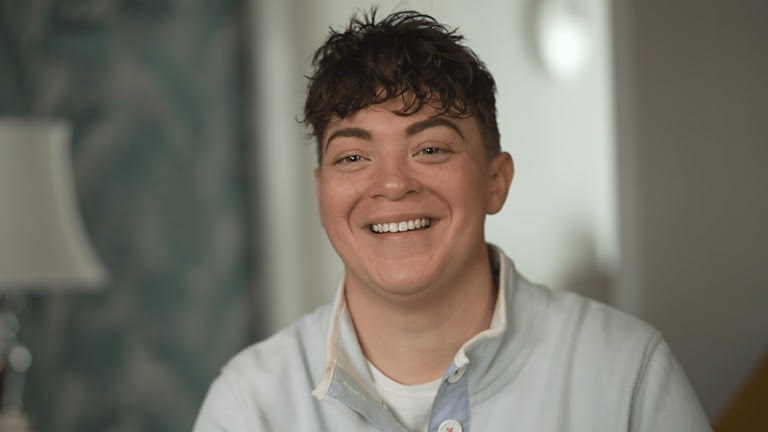
Mel Kelly was just 22 when persistent headaches and worsening vision led to the discovery of a pilocytic astrocytoma in December 2022. What followed was brain surgery at the Walton Centre, memory difficulties and the challenge of rebuilding the independence she had worked so hard to achieve.
At 22, Mel Kelly was making plans for her future, enjoying her independence and building a life of her own.
But persistent headaches were becoming increasingly difficult to ignore.
At first, Mel was told she had a sinus infection. When the headaches continued, migraines were considered. Despite seeking medical advice, she still didn’t have an explanation for what was happening.
Then her eyesight began to deteriorate.
Mel started to worry that something more serious might be wrong. She researched her symptoms and began to suspect that she might have a brain tumour.
In December 2022, an MRI revealed a pilocytic astrocytoma, a brain tumour usually classified as grade 1.
At an age when Mel expected to be enjoying her independence, she was suddenly preparing for brain surgery and facing an uncertain recovery.
When she joined me on the Aunty M Brain Tumours Talk Show, Mel spoke about her diagnosis, treatment and the unexpected challenges that followed.
Her experience highlights why even a low-grade brain tumour can have a lasting impact on someone’s life.
When Headaches and Vision Problems Became Warning Signs
Mel’s symptoms began with persistent headaches.
She visited her GP and an optician, hoping to understand what might be causing them.
Initially, she was treated for a sinus infection. When that didn’t resolve the problem, migraines were suggested as another possible explanation.
Blood tests also revealed elevated prolactin levels, adding another question to the investigations.
But Mel’s headaches continued, and her vision began to worsen.
Concerned about the combination of symptoms, she started searching online for possible explanations.
She began to suspect a brain tumour, although she had no way of knowing whether that was the cause.
Eventually, Mel underwent an MRI scan.
The results confirmed that there was a tumour in her brain.
For Mel and her family, the news brought enormous uncertainty. They now needed to understand the diagnosis, what treatment would involve and whether the changes to her eyesight could be reversed.
Diagnosed With a Pilocytic Astrocytoma at 22
Mel was diagnosed with a pilocytic astrocytoma in December 2022.
Pilocytic astrocytomas are generally slow-growing, grade 1 tumours. However, their location can cause serious symptoms and make treatment challenging.
Mel was referred to the Walton Centre in Liverpool, a specialist neuroscience hospital, where she would undergo brain surgery.
The diagnosis meant putting many parts of her ordinary life on hold.
She had to prepare for a major operation while dealing with the fear of what might happen afterwards.
Her parents became an important source of support during this difficult period.
Watch Mel Share Her Pilocytic Astrocytoma Story
Mel joined me on the Aunty M Brain Tumours Talk Show to talk about the symptoms that led to her diagnosis, brain surgery and the challenges of recovery.
We also discuss the impact on her eyesight and memory, the frustration of being unable to drive and how she became involved in raising awareness of brain tumours.
Watch Mel tell her story in full in the Aunty M Brain Tumours Talk Show interview below, or keep reading for the written version
Brain Surgery at the Walton Centre
Following her diagnosis, Mel underwent brain surgery at the Walton Centre.
Surgery for a pilocytic astrocytoma aims to remove as much of the tumour as can safely be reached while protecting important areas of the brain and surrounding structures.
For Mel, the operation was a major turning point.
But although surgery addressed the tumour, recovery presented challenges of its own.
Her eyesight began to improve gradually, offering some reassurance after the frightening changes she had experienced before diagnosis.
However, she also experienced difficulties with her short-term memory.
Tasks that had once been straightforward could now require more thought and effort.
For someone who had been enjoying an independent life, these changes were difficult to accept.
Recovery meant adjusting to what she could manage, recognising progress and allowing herself time to rebuild confidence.
Adjusting to Life After Brain Surgery
One of the hardest parts of Mel’s experience was realising that life after surgery would not immediately return to the way it had been.
Her memory difficulties and changes in vision affected everyday activities.
She also had to accept that some things would take longer or require additional support.
Before becoming unwell, Mel had her own home and was building her future.
Following her diagnosis and surgery, she sold her house and moved back in with her parents.
It was an enormous adjustment for someone in her early twenties.
Although her parents were there to support her, moving back home meant giving up some of the independence she had worked hard to achieve.
For Mel, this was one of the most difficult consequences of her brain tumour.
It wasn’t simply about recovering from an operation.
It was about rebuilding a life that had unexpectedly changed.
The 14-Month Struggle to Regain Her Driving Licence
Another major challenge was losing the ability to drive.
Following her diagnosis and brain surgery, Mel was unable to continue driving.
For a young adult trying to return to work, education and everyday activities, this created additional restrictions.
Mel describes the process of regaining her driving licence as frustrating and lengthy.
It took approximately 14 months before she was able to drive again.
Getting her licence back represented much more than being allowed behind the wheel.
It meant greater freedom and another important step towards independence.
After spending so much time relying on others, Mel could begin taking back control of some of the everyday activities that had previously seemed ordinary.
Driving After a Brain Tumour Diagnosis
In the UK, people diagnosed with certain brain tumours must notify the DVLA and may need to stop driving for a period.
The requirements depend on factors including tumour type, treatment, seizures and visual difficulties.
Mel’s experience does not determine how long another person will need to stop driving.
If you have been diagnosed with a brain tumour, check the current DVLA requirements and follow your medical team’s advice.
Returning to Work and Education
Mel’s diagnosis also interrupted her work and education.
After surgery, she had to consider how her eyesight, memory and recovery would affect her ability to return to everyday responsibilities.
This wasn’t simply a matter of feeling ready to start again.
She needed to adjust to changes that could affect concentration, organisation and stamina.
For many people, the effects of a brain tumour are not always visible.
Someone may look physically well while still experiencing difficulties with memory, fatigue or processing information.
Mel’s experience highlights why understanding and appropriate support can make a difference when someone is returning to work or education after brain surgery.
For her, these were important parts of rebuilding the life she had before her diagnosis.
Turning Her Experience Into Brain Tumour Awareness
As Mel continued her recovery, she became involved in raising awareness of brain tumours and fundraising for research and support.
She organised a Twilight Walk, took part in climbing challenges and supported The Brain Tumour Charity’s It’s a No Brainer campaign.
These activities gave Mel an opportunity to share her experience and help others understand the impact a brain tumour can have, particularly on young adults.
A grade 1 diagnosis may sound reassuring, but that does not mean the experience is easy.
For Mel, it had affected her eyesight, memory, home, ability to drive, work and education.
By sharing these challenges, she hopes to encourage greater understanding of life after a brain tumour diagnosis.
Connect with Mel
Instagram: Here
Website: Here
The Support That Helped Mel Through Recovery
Throughout her diagnosis and recovery, Mel had the support of her family, friends and healthcare professionals.
Her parents played an especially important role when she needed to move back home.
The practical help they provided allowed Mel to focus on recovering and gradually regaining her independence.
But support was also important emotionally.
Mel had experienced a major change in her life at a young age, and there were moments when the future she had imagined felt uncertain.
Having people around her who understood that recovery takes time made a meaningful difference.
Her experience is a reminder that brain tumour care doesn’t end when someone leaves hospital.
For many people, returning to everyday life is another important stage of recovery.
About Mel’s Tumour: What Is a Pilocytic Astrocytoma?
A pilocytic astrocytoma is a type of low-grade glioma, usually classified as a CNS WHO grade 1 tumour.
These tumours generally grow slowly and are more common in children and young people, although adults can also be affected.
They can develop in different areas of the brain, including regions involved in balance, coordination and vision.
Although pilocytic astrocytomas are usually low grade, their location can cause significant neurological symptoms.
A tumour near important structures may be difficult to remove completely without risking damage.
What Are the Symptoms of a Pilocytic Astrocytoma?
Symptoms vary depending on the tumour’s size and location.
Possible symptoms include:
- Persistent or worsening headaches
- Changes in eyesight
- Nausea or vomiting
- Balance or coordination difficulties
- Weakness
- Seizures
- Memory or concentration difficulties
For Mel, persistent headaches and deteriorating vision were the main warning signs.
These symptoms can have many causes unrelated to brain tumours, but new, persistent or worsening neurological symptoms should be assessed by a healthcare professional.
How Is a Grade 1 Pilocytic Astrocytoma Treated?
Treatment depends on the tumour’s location, symptoms and whether it can safely be removed.
Surgery: Removing the tumour may be the preferred treatment when it can be done safely.
MRI monitoring: Regular scans may be recommended to check for remaining tumour or changes over time.
Further treatment: Radiotherapy, chemotherapy or targeted treatment may be considered in selected circumstances when surgery is not sufficient or appropriate.
Rehabilitation: Some people need additional support with movement, vision, memory or other effects of the tumour and its treatment.
Your specialist team can explain which options are appropriate for your individual diagnosis.
Vision and Memory Difficulties After Brain Surgery
Mel’s recovery highlights two difficulties that can affect people after treatment for a brain tumour: changes in vision and short-term memory problems.
Depending on the tumour’s location and the effects of treatment, someone may experience blurred vision, visual field changes or difficulties processing visual information.
Memory difficulties can also make it harder to remember appointments, follow conversations or organise everyday activities.
Some symptoms improve during recovery, while others may require ongoing support.
If you are experiencing these difficulties, ask your medical team whether an assessment by a vision specialist, occupational therapist or neuropsychologist would be helpful.
For Mel, improvements to her eyesight were encouraging, but adjusting to memory changes remained an important part of rebuilding her confidence.
Mel’s Story: Rebuilding Her Independence
What stands out to me about Mel’s experience is how much her life changed at just 22.
She had been building her future, living independently and making plans.
Then came the headaches, vision problems and a diagnosis that meant undergoing brain surgery.
Although her eyesight gradually improved, recovery brought new challenges. She had to adjust to memory difficulties, move back in with her parents and spend 14 months working towards getting her driving licence back.
These might not be the first things people think about when they hear the words brain tumour, but they can make an enormous difference to someone’s everyday life.
Mel has also turned her experience into an opportunity to raise awareness and support others.
Her story reminds us that a low-grade brain tumour can still have life-changing consequences.
And that recovery is not always about returning to exactly how things were before.
Sometimes, it is about finding your way forward, one achievement at a time.
Thank you, Mel, for sharing your experience with Aunty M Brain Tumours.
Read More Astrocytoma Stories
If you’ve been affected by an astrocytoma, you may find it helpful to hear from other people who understand some of the challenges.
Explore more personal astrocytoma interviews and experiences on Aunty M Brain Tumours.
Chelsea’s Pilocytic Astrocytoma Story
https://auntymbraintumours.com/chelseas-pilocytic-astrocytoma-story/
Where to Find Support After an Astrocytoma Diagnosis
Whether you’ve recently been diagnosed, are recovering from treatment or are supporting someone you love, you don’t have to navigate everything alone.
These organisations provide information, practical advice and emotional support.
Astro Brain Tumour Fund
Supports people affected by low-grade gliomas and funds research.
The Brain Tumour Charity
https://www.thebraintumourcharity.org/
Provides information about brain tumour types, treatments, rehabilitation and support for patients and families.
Brainstrust
Offers personalised support, practical information and coaching for people affected by brain tumours.
Brain Tumour Support
https://www.braintumoursupport.co.uk/
Provides emotional and practical support for patients, families and carers.
Brain Tumour Research
https://braintumourresearch.org/
Funds research and campaigns for greater awareness and improved treatment options.
You can also speak to your GP, specialist nurse or neuro-oncology team about rehabilitation, vision problems, memory difficulties or other concerns following treatment.
This article shares Mel Kelly’s experience as described in her original interview. Medical information is provided for general awareness and does not replace advice from a specialist healthcare professional.

Claire Bullimore is an influential figure in the brain tumour community. She embarked on her brain tumour journey and was diagnosed with an intraventricular meningioma. In response to her experiences, Claire founded ‘Aunty M Brain Tumours,’ a platform dedicated to sharing brain tumour stories. Based in London, England, Claire also identifies as a blogger and speaker for Aunty M Brain Tumours, shedding light on the challenges faced by those diagnosed and amplifying their voices for better awareness and support. Through her dedication and advocacy, Claire’s efforts have been recognized by Brain Tumour Research and other organizations, spotlighting her commitment to making a positive difference for individuals impacted by brain tumours.