At just 18 years old, Harini M from India was diagnosed with a rare cerebral hydatid cyst. Following brain surgery, she faced seizures, balance problems and a lengthy recovery. Nearly a decade later, she shares how determination, family, music and friendship helped her move forward.
In September 2011, Harini M was travelling with her family to the Puttaparthi Sathya Sai Baba Temple in India when her cousin noticed something unusual.
Harini, who was just 18, kept holding her neck.
For some time, she had been experiencing morning headaches, nausea, vomiting and neck stiffness. She had also begun losing sensation in the lower part of her body.
Concerned about her symptoms, her cousin suggested that her father take her to hospital.
An MRI scan revealed something none of them had expected: a cerebral hydatid cyst, a rare parasitic cyst affecting the brain.
Harini was told she needed brain surgery.
What followed would change her life, leaving her with ongoing seizures, difficulties with balance and a recovery journey that would take years.
When Harini shared her story with Aunty M Brain Tumours, she was 28 and looking back on almost a decade of learning to live with the effects of her diagnosis.
This is Harini’s cerebral hydatid cyst story.
The First Symptoms: Headaches, Neck Stiffness and Loss of Sensation
Looking back at 2011, Harini remembered experiencing several symptoms before her diagnosis.
She had been struggling with nausea, morning headaches, vomiting and stiffness in her neck.
Most concerning was the loss of sensation she was experiencing in her lower body.
These were frightening physical changes for somebody so young.
In September, while travelling with her family, Harini’s cousin noticed her repeatedly holding her neck.
Her cousin encouraged her father to arrange a medical appointment.
That suggestion led to Harini being assessed by a neurosurgeon in her hometown.
An MRI scan was arranged to investigate what was causing her symptoms.
The results revealed a cerebral hydatid cyst.
Until that moment, Harini had no idea that a condition like this was affecting her brain.
Being Diagnosed With a Cerebral Hydatid Cyst at 18
For Harini, the diagnosis came at an age when most young people are thinking about their education, friendships and what they want to do with their lives.
Instead, she was suddenly facing major brain surgery.
Her neurosurgeon, Dr Indiradevi, reviewed the MRI findings and explained that an operation was necessary.
A cerebral hydatid cyst is an unusual diagnosis. Unlike many other brain cysts, it develops because of a parasitic infection known as echinococcosis.
Hydatid cysts most commonly develop in the liver or lungs, but in rare cases they can affect the brain.
Depending on their size and location, they may cause headaches, vomiting, seizures or neurological problems.
For Harini, the condition had already affected sensation in her lower body and caused other troubling symptoms.
She now faced the uncertainty of surgery and what recovery might involve.
Harini’s Brain Surgery
Following her diagnosis, Harini underwent brain surgery to treat the cerebral hydatid cyst.
Although she did not share detailed information about the surgical procedure, she remembers the operation as a significant turning point.
Harini credits her faith and the support of her parents with helping her through this frightening period.
She was relieved that the operation went well.
However, like many people who undergo major neurological treatment, she discovered that coming through surgery was not necessarily the end of her difficulties.
There were still challenges ahead.
And some would remain part of her life for years.
Life After Cerebral Hydatid Cyst Surgery
Although Harini’s operation was successful, her recovery was not without difficulties.
She continued experiencing seizures and problems with balance, particularly when walking.
These ongoing neurological symptoms affected her everyday life and meant that recovery required patience.
For somebody who had already experienced changes to sensation in her lower body, regaining confidence in what her body could do was an important part of moving forward.
Harini described working hard to improve her health, strength and wellbeing.
Her recovery was not something that happened overnight.
It was a process that continued over many years.
Looking back nearly a decade after her diagnosis, Harini reflected:
“I am proud of myself and my health journey.”
That pride is an important part of her story.
She was not saying that every symptom had disappeared or that the experience had been easy.
Rather, she recognised how much effort she had put into rebuilding her life while continuing to manage seizures and balance difficulties.

Learning to Live With Seizures and Balance Problems
One of Harini’s continuing challenges was living with seizures.
Seizures can affect people differently, and their impact can extend beyond the episode itself.
They may create uncertainty around everyday activities, independence and personal confidence.
Harini also described difficulties walking steadily.
These were problems she continued to manage even years after her operation.
Her experience highlights why recovery after brain surgery cannot always be measured simply by how well the operation went.
For some people, ongoing neurological symptoms remain part of everyday life.
Harini’s determination to keep working towards better health became an important part of how she approached those difficulties.
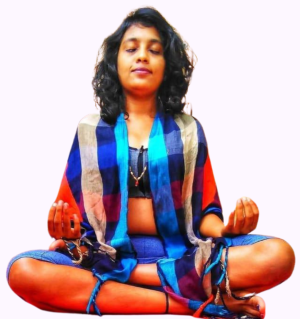
Finding Strength Through Music, Dance and Yoga
When I asked Harini what motivated her, her answer was simple:
“Dance, yoga, and music.”
These were interests that brought enjoyment and meaning to her life.
Following such a difficult medical experience, having activities she loved was important to her sense of identity.
Harini did not want her diagnosis to be the only thing that defined her.
She had interests, ambitions and a personality beyond her medical history.
Music, in particular, held a special place in her heart.
How Lady Gaga Helped Harini Through Surgery
When I asked Harini who her personal hero was, she gave an answer that made me smile.
Lady Gaga!
Harini remembered listening to Lady Gaga’s song Bad Romance more than 100 times before her brain surgery.
The song became closely connected with that period of her life.
Years later, Lady Gaga remained someone Harini admired and associated with finding strength through a difficult time.
It is a lovely personal detail.
We often talk about medical treatment, appointments and rehabilitation when discussing brain surgery.
But sometimes it is music, a favourite artist or something familiar that helps a person cope with what is happening around them.
For Harini, music was part of her story long before she began talking publicly about her recovery.
Refusing to Let Her Past Define Her
Harini also spoke about experiencing bullying when she was younger.
It was another difficult part of her life, separate from the medical challenges she later faced.
When she looked back at herself at 18, she remembered being a young person who had faced both bullying and a frightening brain diagnosis.
But she also recognised how much she had changed.
She described becoming more determined and less willing to give up when life became difficult.
Harini was proud of the person she had become and the effort she had made to improve her wellbeing.
Her experience had not been easy, but she wanted to recognise her progress rather than focus only on what she had lost.
Finding Friendship During the COVID-19 Pandemic
When the COVID-19 pandemic disrupted everyday life, Harini returned to her hometown.
It was another period of change and uncertainty.
During that time, she met someone who became very important to her: Alok.
Harini spoke warmly about how this friendship brought happiness into her life when she had been feeling low.
She was grateful to have met someone who made her smile and showed her kindness.
For Harini, that connection was a reminder of how much difference another person can make.
Living with ongoing health challenges can sometimes feel isolating, particularly when other people do not fully understand what those experiences are like.
A supportive friendship may not remove the difficulties, but it can make them easier to face.
Harini wanted to acknowledge Alok and the happiness he had brought into her life.
Harini’s Advice to Anyone Facing a Brain Diagnosis
When I asked Harini what advice she would give to somebody facing a frightening diagnosis, her message was one of encouragement.
She wanted others to know that people can face enormous challenges and still make progress towards a fulfilling life.
She spoke about how long her own recovery had taken and the effort she continued to put into improving her health.
For Harini, recovery was not a quick or straightforward journey.
It had taken almost ten years for her to reach the point where she could look back with pride at everything she had worked through.
Her story is a reminder that progress can look different for everyone.
Some people experience a relatively smooth recovery after surgery. Others continue dealing with seizures, balance difficulties or other neurological symptoms.
There is no single timetable that everybody must follow.
And nobody should feel that they have failed simply because their recovery is taking longer than they expected.
My Thoughts: More Than a Cerebral Hydatid Cyst Diagnosis
What stands out to me about Harini’s story is how young she was when everything changed.
At just 18, she was dealing with symptoms that eventually led to an MRI scan and an unexpected diagnosis.
Then came brain surgery and years of working to improve her health.
But I particularly enjoyed hearing about the things that brought happiness into Harini’s life.
Her love of dance, yoga and music. Listening to Lady Gaga before surgery. And the friendship she developed with Alok during the pandemic.
These personal details matter.
Sometimes, when somebody shares their medical story, it is easy for the diagnosis to take centre stage.
But there is always a person behind it.
Harini is not simply somebody who underwent surgery for a rare cerebral hydatid cyst.
She is also somebody who loves music, values her friendships and feels proud of the progress she has made.
I also think her experience is a reminder that recovery does not always end when somebody leaves hospital.
Ten years can sound like an incredibly long time, but neurological recovery and adjustment can continue for years.
Thank you, Harini, for sharing your story with me and the Aunty M Brain Tumours community.
I hope your experience helps somebody else living with a rare brain cyst, recovering from surgery or managing ongoing neurological symptoms feel less alone.
What Is a Cerebral Hydatid Cyst?
A cerebral hydatid cyst is a rare type of parasitic cyst that develops in the brain.
It is most commonly associated with a parasitic infection called cystic echinococcosis, caused by the larval stage of the tapeworm Echinococcus granulosus.
The condition is also known as hydatid disease.
Hydatid cysts usually develop in the liver or lungs, but they can occasionally form in other organs, including the brain.
Unlike a typical brain tumour, a cerebral hydatid cyst does not develop from abnormal growth of the body’s own cells. It develops as a result of a parasitic infection.
What Causes a Cerebral Hydatid Cyst?
People can develop cystic echinococcosis after accidentally swallowing microscopic eggs of the Echinococcus parasite.
This may happen through food, water, soil or hands contaminated with faecal material from infected dogs.
The infection is not spread through ordinary contact with another person who has a hydatid cyst.
Once inside the body, the parasite can develop into cysts in different organs.
Brain involvement is uncommon.
The exact way Harini acquired her infection was not discussed in her interview.
What Symptoms Can a Cerebral Hydatid Cyst Cause?
Symptoms depend on the cyst’s size, location and whether it creates pressure on surrounding brain structures.
Possible symptoms include:
- Headaches
- Nausea and vomiting
- Seizures
- Weakness or altered sensation
- Balance or walking difficulties
- Visual disturbances
- Other neurological problems
Not everyone experiences the same symptoms, and these symptoms can have many other causes.
A sudden severe headache, new seizure, loss of consciousness or new neurological weakness requires urgent medical assessment.
Cerebral Hydatid Cyst Frequently Asked Questions
Is a Cerebral Hydatid Cyst a Brain Tumour?
No. A cerebral hydatid cyst is a parasitic cyst rather than a conventional brain tumour.
However, because it develops within the brain, it can cause serious neurological symptoms and may require specialist neurosurgical treatment.
How Is a Cerebral Hydatid Cyst Diagnosed?
MRI or CT scans can help doctors identify a cyst and assess its size and location.
Doctors may also consider the person’s medical history, possible exposure to the parasite and additional investigations.
Diagnosis and treatment should be managed by specialists familiar with this rare condition.
Does a Cerebral Hydatid Cyst Always Need Brain Surgery?
Not every hydatid cyst elsewhere in the body requires surgery, but cerebral hydatid cysts often need specialist surgical assessment.
When brain surgery is recommended, surgeons generally aim to remove the cyst safely while avoiding rupture and spillage of its contents.
Treatment decisions depend on the individual circumstances.
Can Medication Treat a Cerebral Hydatid Cyst?
Antiparasitic medicines such as albendazole may be used in some cases, including alongside surgery or when there are particular concerns about recurrence or cyst rupture.
Medication is not a substitute for specialist neurosurgical assessment.
Harini did not specify whether she received antiparasitic treatment.
Can a Cerebral Hydatid Cyst Return After Treatment?
Recurrence is possible, particularly if the cyst ruptures or is not completely removed.
Specialists may recommend follow-up imaging and additional treatment depending on the individual case.
Can Someone Have Seizures After Cerebral Hydatid Cyst Surgery?
Yes. Some people may experience seizures before or after treatment for cerebral hydatid disease.
The causes and long-term outlook vary.
Harini reported continuing seizures after surgery, although this does not mean everyone with the condition will experience the same difficulties.
Cerebral Hydatid Cyst Information and Support
Because cerebral hydatid cysts are rare, it is especially important to use reliable medical resources.
Centres for Disease Control and Prevention (CDC) — Echinococcosis
Information explaining the parasitic infection that causes hydatid cysts, how people become infected and the possible symptoms.
Read the CDC Guide to Cystic Echinococcosis
CDC — Treatment of Echinococcosis
Information about treatments for hydatid disease, including surgery and antiparasitic medication.
Read About Echinococcosis Treatment
World Health Organisation — Echinococcosis
General information about the disease, its causes, prevention and health impact.
Read the WHO Echinococcosis Information
Connect With Harini
Harini enjoys sharing her interests, including music, dance and everyday life, through Instagram.
You can find her at:
Harini’s Instagram — @_mybrainstorm
This account was shared during Harini’s original interview. Its current availability may have changed.
Read More Brain Cyst Stories
Every type of brain cyst is different, and so are the experiences of the people living with them.
Some people are diagnosed after experiencing worrying symptoms, while others discover a cyst unexpectedly during a scan.
If Harini’s experience has resonated with you, you may also find these personal stories helpful:
Mónica shares her experience of two brain surgeries, complications and a lengthy recovery.
Claire Sutton’s Colloid Cyst Story
Claire describes her sudden diagnosis and brain surgery during the COVID-19 pandemic.
These are different medical conditions from cerebral hydatid disease, but their stories explore some of the personal challenges of brain surgery and recovery.
At Aunty M Brain Tumours, I believe every experience deserves to be heard, including those involving rare diagnoses.
If you have been affected by a brain tumour or brain cyst and would like to share your experience, I would love to hear from you.
Medical disclaimer: Harini’s story reflects the personal experience she shared in her original interview. The medical information is provided for general awareness and is not a substitute for professional medical advice. Always discuss your individual diagnosis, treatment and symptoms with your specialist medical team.


Claire Bullimore is an influential figure in the brain tumour community. She embarked on her brain tumour journey and was diagnosed with an intraventricular meningioma. In response to her experiences, Claire founded ‘Aunty M Brain Tumours,’ a platform dedicated to sharing brain tumour stories. Based in London, England, Claire also identifies as a blogger and speaker for Aunty M Brain Tumours, shedding light on the challenges faced by those diagnosed and amplifying their voices for better awareness and support. Through her dedication and advocacy, Claire’s efforts have been recognized by Brain Tumour Research and other organizations, spotlighting her commitment to making a positive difference for individuals impacted by brain tumours.