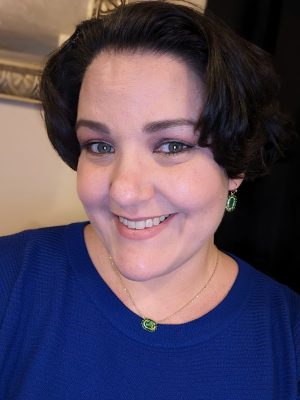
When Lucy experienced a seizure at home, her son realised something was wrong and alerted her husband. Two days later, Lucy woke in hospital to discover she had a brain tumour. What followed was surgery, radiotherapy, chemotherapy and the emotional challenge of accepting a life she had never expected.
The Day Everything Changed for Lucy and Her Family
Lucy was at home with her husband and children when her life took an unexpected turn.
She remembers feeling strange.
Then everything went blank.
Her son heard something happening and realised his mum was in trouble. He alerted his dad, who found Lucy on the floor having a seizure.
Her husband asked their eldest son to call 911 and fetch Lucy’s mum, who lived nearby.
Within minutes, an ambulance arrived.
But Lucy has no memory of what happened next.
Although she was apparently awake and speaking at times, she cannot remember the following 48 hours.
When she finally became aware of her surroundings, she was in hospital.
Her husband was beside her.
Confused, she asked where she was and what had happened.
He explained that she had experienced a seizure and that doctors had found a mass in her brain.
Later that day, a doctor confirmed the news.
Lucy had a brain tumour.
In our Aunty M Brain Tumours Talk Show interview, Lucy shares what happened next, how she coped with treatment and why she believes people newly diagnosed with an astrocytoma need to hear more than frightening statistics.
Waking Up in Hospital With No Memory of the Seizure
One of the most unsettling parts of Lucy’s experience was the gap in her memory.
Her family had witnessed an emergency that she couldn’t remember.
They had seen her collapse, called for help and heard the first news from the hospital.
Lucy, meanwhile, remembered only feeling strange before the seizure.
For her, the discovery of the brain tumour came when she woke and asked her husband what had happened.
There was a great deal to process.
She needed to understand what doctors had found, what further investigations would involve and whether surgery was necessary.
The diagnosis also affected her family, who had already been through the frightening experience of seeing her have a seizure.
Lucy went from an ordinary day at home to facing decisions about brain surgery and cancer treatment.
And like so many people who receive an unexpected brain tumour diagnosis, she found herself trying to make sense of medical information while still coming to terms with the shock.
Watch Jaime tell her story in full in the Aunty M Brain Tumours Talk Show interview below, or keep reading for the written version
Brain Surgery: Choosing a Craniotomy Under General Anaesthetic
Following her diagnosis, Lucy was referred for brain surgery.
Doctors discussed whether an awake craniotomy might be appropriate because of the location of her tumour.
During an awake craniotomy, a patient may be asked to perform certain tasks while surgeons work near areas of the brain responsible for important functions.
But after considering the location of Lucy’s tumour, her surgeon did not believe being awake would offer an additional benefit.
They decided to proceed with surgery under general anaesthetic.
Lucy underwent her operation in June.
Looking back, she describes the surgery itself as one of the easier parts of her treatment.
She was in hospital for a relatively short period afterwards and remembers having 25 staples in her scalp.
They remained in place for approximately two weeks before being removed by a nurse at her usual doctor’s surgery.
Her scar was largely hidden beneath her hair.
Compared with what came later, Lucy felt that recovering from the craniotomy was relatively manageable.
But the operation was only the first stage of her treatment.
Waiting for the Tumour Results
After surgery, Lucy’s tumour tissue was sent for further testing.
Her medical team needed to establish its precise characteristics, including its grade and molecular features.
For Lucy, this meant another period of uncertainty.
Although she already knew she had a brain tumour, the test results would help her doctors decide what treatment was appropriate.
She later began radiotherapy, followed by further chemotherapy.
The treatment period lasted many months.
And while Lucy had found the surgery relatively manageable, the effects of radiotherapy and chemotherapy were much harder than she expected.
Radiotherapy: The Exhaustion Lucy Hadn’t Expected
Lucy began radiotherapy in August.
Her treatment also involved chemotherapy, followed by six further monthly cycles of oral chemotherapy.
She described radiotherapy as particularly difficult.
Although hair loss was upsetting, the fatigue had an even greater impact on her everyday life.
After a week or two of treatment, she found herself becoming increasingly exhausted.
Some days involved attending hospital, coming home and needing to sleep for hours.
Lucy had been advised to rest when she needed to.
But resting was not always easy to accept.
When you’re used to being busy, spending large parts of the day sleeping can make you feel as though you are missing out on life.
For Lucy, learning to listen to her body became an important part of getting through treatment.
She could not simply push through the exhaustion as though it were ordinary tiredness.
Her body needed time to recover.
Hair Loss and the Unexpected Emotional Impact
Lucy lost a significant amount of hair during radiotherapy.
Initially, she thought this would not bother her very much.
But as the months passed and her hair remained short, she began to feel differently.
She realised that its appearance mattered more to her than she had expected.
It was another visible reminder of everything she had been through.
For somebody recovering from a serious illness, changes in appearance can carry emotions that are difficult to explain.
Lucy’s experience is a reminder that something another person might consider a minor side effect can still have a significant personal impact.
Chemotherapy, Nausea and Losing Her Appetite
After her initial treatment, Lucy continued with monthly oral chemotherapy.
She took chemotherapy tablets for five days during each treatment cycle, followed by time off before the next cycle.
By the fourth or fifth month, she was finding treatment increasingly difficult.
Lucy experienced nausea and a substantial loss of appetite.
She also lost weight.
One of the hardest parts was taking the tablets themselves.
They were large, and she found both their taste and coating difficult to tolerate.
Even when she knew the medication was important, swallowing the tablets could make her feel sick.
The experience left a lasting association with certain types of tablet coatings.
In our conversation, Lucy explains that she would take a deep breath and try not to think about the tablets as she swallowed them.
It wasn’t an ideal solution, but it was how she managed at the time.
For somebody preparing for chemotherapy, her experience highlights why it is worth discussing nausea, appetite changes and difficulties swallowing medication with the treatment team.
There may be ways to manage side effects or adjust supportive medicines, but patients should never alter chemotherapy doses or formulations without medical advice.
Living With Seizures and the Side Effects of Keppra
Following her diagnosis, Lucy was prescribed Keppra, the brand name for levetiracetam, an anti-seizure medication.
The medicine helped control her seizures.
But Lucy also noticed changes in her mood.
She had always considered herself an easygoing person.
After starting the medication, she sometimes found herself becoming unusually angry or irritable.
Initially, she did not understand why.
Over time, she began to recognise that these feelings could occur after taking her medication.
That awareness helped her manage the changes.
Lucy also received steroids for a short period after brain surgery.
Having previously taken steroids for asthma, she was familiar with some of their effects, including changes in appetite, energy and mood.
But managing the effects of several medicines alongside treatment was still challenging.
For Lucy, understanding what might be caused by medication was an important part of adjusting to life after diagnosis.
If you notice changes in mood, behaviour or wellbeing while taking anti-seizure medication, speak to your prescribing clinician.
Do not stop or change the medication without medical advice.
Almost Back to Normal, but Not Quite the Same
When Lucy reflected on her recovery during our interview, she described feeling almost back to normal.
Physically, she was doing much better.
Her strength was gradually returning, although she still noticed some weakness.
She also experienced slight balance problems.
Other people might not have noticed the difference, but Lucy could feel it.
There were also changes to the way she processed information.
She explained that she could no longer spell words aloud or repeat sequences of numbers and letters as easily as before.
If she took her time, she could often manage.
But tasks that once felt automatic now required more concentration.
These difficulties could be frustrating.
Lucy was grateful for the progress she had made, but she was also aware that recovery had not meant returning to exactly the person she had been before.
That is something many people affected by brain tumours may recognise.
Others may see that treatment has finished and assume everything has returned to normal.
But the person who has undergone surgery and treatment may still be dealing with changes that are not immediately visible.
Grieving the Life She Thought She Would Have
One of the most meaningful parts of my conversation with Lucy was her honesty about the emotional impact of her diagnosis.
She explained that she had needed time to grieve the future she had expected.
Before the seizure, life had been going well.
She had plans and expectations about how things would unfold.
Then, suddenly, she was facing a brain tumour diagnosis and months of treatment.
Lucy described experiencing emotions that reminded her of the stages of grief.
At first, she struggled to believe that everything was as serious as it seemed.
She hoped that treatment would finish and life would quickly return to normal.
Then came anger.
She questioned why this had happened to her.
She found herself thinking about the things she might lose and the future she had imagined.
What Lucy gradually recognised was that she needed to allow herself to experience those feelings.
There was no benefit in pretending she was happy or positive all the time.
Nor did she need to place a deadline on when she should feel better.
Even at the time of our interview, she was still working through aspects of acceptance.
For Lucy, acknowledging that grief was part of processing what had happened.
And that is an important message for somebody newly diagnosed.
You can be grateful for your treatment, hopeful about your future and still feel upset about the changes to your life.
Those feelings can exist together.
Finding Helpful Information Without Becoming Overwhelmed
Like many people who are newly diagnosed, Lucy began researching brain tumours online.
She wanted to understand what an astrocytoma was, what treatment might involve and how other people had coped.
But she quickly discovered that searching online could become overwhelming.
Some of the stories and information she encountered were frightening.
She found herself reading upsetting experiences when she was already feeling emotionally vulnerable.
Eventually, Lucy realised she needed to be selective.
She found helpful discussions in online brain tumour communities, including people sharing research, treatment experiences and stories about living many years after diagnosis.
Hearing about people who had continued living their lives following brain tumour treatment gave her some reassurance.
But she also learned when to step away.
Sometimes that meant turning off social media notifications or taking a break from support groups.
She didn’t want every spare moment to revolve around brain tumours.
Lucy understood that online communities could be valuable without feeling she needed to read every post.
Why Individual Prognosis Matters
Lucy also reflected on the importance of speaking to doctors who specialise in brain tumours.
At times, comments from healthcare professionals outside neuro-oncology left her feeling upset.
She came to recognise that different medical professionals have different areas of expertise.
For detailed questions about tumour grade, molecular characteristics, treatment and prognosis, Lucy found it important to rely on her specialist team.
That is useful advice for anybody newly diagnosed.
An astrocytoma diagnosis can vary significantly from person to person.
Information about somebody else’s tumour may not apply to yours.
Your neuro-oncology team is best placed to explain your individual results and the treatment options available.
Why Lucy Wants More Realistic Brain Tumour Stories
During her recovery, Lucy spent more time watching television and films.
She began noticing something that had never particularly stood out to her before.
Brain tumours were often used in dramatic storylines involving tragedy or death.
She also became more aware of jokes and casual comments about brain tumours on social media.
Having experienced a diagnosis herself, these references felt different.
Lucy worried that somebody newly diagnosed might assume their future would follow the same frightening storylines they had seen on television.
She wanted people to understand that there are many different types of brain tumour, treatment experiences and outcomes.
Not everybody’s story is the same.
This is one of the reasons I believe interviews like Lucy’s are valuable.
A medical website can explain symptoms and treatments.
But hearing directly from someone about the everyday reality of diagnosis and recovery gives another perspective.
Lucy doesn’t pretend that the experience has been easy.
She talks about difficult treatment, emotional struggles and ongoing changes.
But she also describes feeling physically better, continuing with everyday life and gradually finding ways to move forward.
The Family Who Helped Lucy Through Treatment
Throughout her experience, Lucy received support from her husband, mum, cousin and wider family.
They helped with the everyday responsibilities she could not always manage during treatment.
Her family had also been there during the frightening emergency that led to her diagnosis.
Lucy spoke with gratitude about the practical and emotional support they continued to provide.
At times, however, she felt guilty that other people needed to take on additional responsibilities.
She was accustomed to doing things herself.
Accepting help was not always comfortable.
But Lucy recognised that she would have done exactly the same for them if their circumstances had been reversed.
That realisation helped her accept support with less guilt.
She was also grateful for the care she received from her surgeon, neuro-oncologist and radiation oncology team.
Although she sometimes found waiting for results frustrating, she appreciated having specialists who could explain treatment and reassure her about the work being done to improve brain tumour care.
What Lucy’s Experience Can Teach Someone Newly Diagnosed
Throughout our interview, Lucy shared several insights that may be useful to somebody beginning their own astrocytoma journey.
1. Ask about your exact diagnosis.
Astrocytomas can differ in grade and molecular characteristics. Ask your neuro-oncology team to explain your pathology results, treatment options and what they mean for you.
2. Tell your medical team about difficult side effects.
Lucy experienced severe fatigue, nausea and mood changes associated with medication. These are important issues to discuss with healthcare professionals rather than feeling you must manage them alone.
3. Rest when you need to.
During radiotherapy, Lucy struggled with feeling that she was losing whole days to exhaustion. She learned that recovery sometimes meant accepting the need for rest.
4. Give yourself permission to feel upset.
Lucy described grieving the future she had expected. Fear, anger, sadness and uncertainty can be part of adjusting to a serious diagnosis. Psychological support may be helpful if those feelings become difficult to manage.
5. Choose online communities that help rather than overwhelm you.
Support groups can provide valuable information and connection, but it’s reasonable to take breaks from upsetting content.
6. Accept help from people who care about you.
Lucy’s husband, mum and cousin stepped in when she needed them. You don’t have to manage every responsibility while undergoing treatment.
7. Take things a day at a time.
One of Lucy’s clearest messages was to be patient with yourself. You do not need to have every part of your future worked out immediately after diagnosis.
Lucy’s Story: Learning to Live With Change
What stays with me about Lucy’s story is how suddenly her life changed.
One moment, she was at home with her family.
The next thing she remembers clearly is waking up in hospital two days later and discovering she had a brain tumour.
There was surgery, radiotherapy, chemotherapy and the exhaustion that came with treatment.
But there was also the emotional challenge of accepting changes she had never expected.
Lucy spoke honestly about hair loss, fatigue, the difficulties of taking medication and the frustration of not feeling exactly as she had before.
She also talked about grieving the life she thought she would have.
For me, that is one of the most important parts of her interview.
We sometimes focus so much on the medical treatment that we forget what a diagnosis can mean for someone’s sense of identity and future.
Lucy didn’t claim to have all the answers.
She was still adapting, learning what helped her and finding ways to enjoy everyday life.
Her experience shows why newly diagnosed patients deserve access to clear information, understanding and stories that reflect the many different ways people live with brain tumours.
Thank you, Lucy, for sharing your experience with Aunty M Brain Tumours.
About Lucy’s Tumour: What Is an Astrocytoma?
An astrocytoma is a type of glioma, a brain or spinal cord tumour associated with cells called astrocytes.
Astrocytomas can differ significantly in how they behave.
Their classification depends on several factors, including the appearance of tumour cells and molecular characteristics.
Modern diagnosis may include tests for changes in genes such as IDH1 and IDH2.
In adults, the term astrocytoma, IDH-mutant refers to a particular molecularly defined tumour type that can be classified as CNS WHO grade 2, 3 or 4.
Other tumours historically called astrocytomas may be classified differently under current guidelines.
Lucy describes having an astrocytoma, but her interview does not confirm the specific grade or molecular classification.
For that reason, it would be inappropriate to assume her tumour was a particular grade or IDH type.
What Are the Symptoms of an Astrocytoma?
Symptoms depend on the location, size and behaviour of the tumour.
Possible symptoms include:
- Seizures or episodes of altered awareness
- Persistent or worsening headaches
- Nausea or vomiting
- Weakness or coordination difficulties
- Changes in speech, memory or concentration
- Vision difficulties
- Changes in mood or behaviour
For Lucy, a seizure at home led to the discovery of her brain tumour.
These symptoms can have many causes unrelated to brain tumours.
A first seizure or sudden stroke-like symptoms require emergency medical assessment.
How Is an Astrocytoma Treated?
Treatment varies depending on the precise tumour diagnosis and individual circumstances.
Possible approaches include:
Surgery: To remove as much tumour tissue as can safely be reached and obtain tissue for diagnosis.
Radiotherapy: May be recommended after surgery, depending on tumour classification and treatment needs.
Chemotherapy: Some patients receive chemotherapy during or after radiotherapy.
MRI monitoring: Regular scans help assess the tumour and monitor treatment response.
Seizure management: Medication and specialist follow-up may be needed for patients experiencing seizures.
Rehabilitation and psychological support: Some people benefit from assistance with fatigue, movement, memory, concentration or emotional wellbeing.
Lucy’s treatment involved brain surgery, radiotherapy and chemotherapy.
Her experience is individual, and another person’s treatment plan may be very different.
Where to Find Support After an Astrocytoma Diagnosis
Whether you’ve recently been diagnosed, are undergoing treatment or are supporting someone you love, specialist organisations can help.
The Brain Tumour Charity
https://www.thebraintumourcharity.org/
Offers information about astrocytoma, tumour grades, treatment and living with a brain tumour, alongside support services.
Brainstrust
Provides personalised support, information and help preparing for medical appointments.
Brain Tumour Support
https://www.braintumoursupport.co.uk/
Offers emotional and practical support, including individual and group services for people affected by brain tumours.
American Brain Tumor Association
Provides information and support resources for patients and families in the United States.
National Brain Tumor Society
Supports brain tumour research, advocacy and education in the United States.
Your Medical Team
Ask your neurologist, neuro-oncologist or specialist nurse about symptoms, medications, rehabilitation, emotional support and your individual treatment plan.
Read More Astrocytoma Stories
You may also find these personal stories helpful.
Jaime’s IDH-Mutant Astrocytoma Story
https://auntymbraintumours.com/jaime-idh-mutant-astrocytoma-story/
Sophie’s Grade 3 Astrocytoma Story
https://auntymbraintumours.com/sophies-grade-3-astrocytoma-story/
Kimberley’s Grade 3 Astrocytoma Story
https://auntymbraintumours.com/kimberley-astrocytoma-story/
Although these stories involve different types and experiences of astrocytoma, each offers insight into diagnosis, treatment or life afterwards.
Would You Like to Share Your Brain Tumour Story?
At Aunty M Brain Tumours, I believe that hearing real experiences can help others feel understood and less alone.
Whether you’ve recently been diagnosed, are living with the effects of treatment or are supporting somebody you love, your story matters.
If you would like to share your experience, please get in touch through the website.

Claire Bullimore is an influential figure in the brain tumour community. She embarked on her brain tumour journey and was diagnosed with an intraventricular meningioma. In response to her experiences, Claire founded ‘Aunty M Brain Tumours,’ a platform dedicated to sharing brain tumour stories. Based in London, England, Claire also identifies as a blogger and speaker for Aunty M Brain Tumours, shedding light on the challenges faced by those diagnosed and amplifying their voices for better awareness and support. Through her dedication and advocacy, Claire’s efforts have been recognized by Brain Tumour Research and other organizations, spotlighting her commitment to making a positive difference for individuals impacted by brain tumours.