19 Years After His Brain Cancer Diagnosis
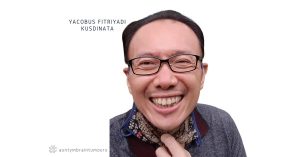
Diagnosed with glioblastoma multiforme (GBM) at just 24 years old, Yacobus Fitriyadi Kusdinata shares his remarkable experience of brain surgery, chemotherapy, faith and life 19 years after his diagnosis.
In October 2002, Yacobus Fitriyadi Kusdinata was a young man living in Australia, enjoying an active lifestyle and spending time at the gym.
At just 24 years old, he had no reason to imagine that his life was about to change so dramatically.
But when he began experiencing nausea, vomiting, confusion and eventually epileptic seizures, doctors discovered a tumour in the left frontal lobe of his brain.
He was diagnosed with glioblastoma multiforme (GBM), an aggressive form of brain cancer.
Nineteen years later, when Yacobus shared his story with Aunty M Brain Tumours in October 2021, he described himself as healthy, physically active and grateful for the life he continued to enjoy.
His experience is unusual, particularly because long-term survival following a glioblastoma diagnosis is uncommon.
But his story is about much more than the number of years he had lived.
It is about facing a frightening diagnosis at a young age, navigating treatment far from home, struggling with employment after brain surgery and discovering the importance of family, faith and personal wellbeing.
The First Symptoms: Something Was Wrong at the Gym
In early October 2002, Yacobus was living in Sydney, Australia.
He had always enjoyed exercise and regularly attended the gym.
But during one workout, he suddenly began feeling extremely nauseous and started vomiting.
At first, he thought he might simply have caught a nasty cold.
However, the symptoms didn’t disappear.
Instead, his health began to deteriorate.
Whenever he tried to eat, he felt sick.
He became increasingly forgetful and disoriented, experiencing difficulties that made ordinary life confusing.
For someone who had previously been fit and active, these changes were frightening.
Then he began having epileptic seizures.
What had initially seemed like a temporary illness was something far more serious.
Diagnosed With Glioblastoma at Just 24 Years Old
Yacobus was eventually assessed at a hospital in Melbourne, where doctors diagnosed him with glioblastoma multiforme in the left frontal lobe of his brain.
The frontal lobes are involved in several important functions, including planning, decision-making, behaviour, movement and aspects of memory and language.
A tumour affecting this region can cause different symptoms depending on its exact location and how it affects surrounding brain tissue.
For Yacobus, the diagnosis came at an especially difficult time.
Although he was living in Australia, his family was back in Indonesia.
He was facing an aggressive brain tumour diagnosis without his closest family members immediately beside him.
At 24, when many people are beginning careers, travelling or making plans for their future, Yacobus suddenly had to think about brain surgery and cancer treatment.
Brain Surgery, Radiotherapy and Chemotherapy
Following his diagnosis, Yacobus underwent treatment in Singapore.
His treatment included a craniotomy, radiotherapy and chemotherapy.
A craniotomy is an operation in which a neurosurgeon temporarily removes a section of the skull to access the brain.
For people diagnosed with glioblastoma, surgery is often performed to remove as much of the tumour as safely possible.
Radiotherapy and chemotherapy may then be recommended to help control remaining cancer cells.
Yacobus was prescribed Temodal, the brand name for temozolomide, a chemotherapy medicine commonly used in glioblastoma treatment.
Following treatment, he returned to Indonesia, where his family could help him during his recovery.
Making a Difficult Decision About Chemotherapy
In 2004, approximately two years after his diagnosis, Yacobus made a significant personal decision.
He stopped taking his prescribed Temodal chemotherapy without informing his doctor.
He explained that his decision was strongly influenced by his religious faith and his belief that God was in control of his life.
This became an important part of how he understood his own recovery.
However, it is essential to distinguish Yacobus’s personal experience from medical advice.
Stopping chemotherapy without consulting a specialist can be dangerous.
Temozolomide, radiotherapy and surgery are established treatments for glioblastoma, although their effectiveness and suitability vary between individuals.
Yacobus’s long-term survival does not establish that stopping chemotherapy improved his outcome, or that other people should make the same decision.
Anyone considering changing or stopping treatment should discuss their concerns with their neuro-oncology team.
Returning to Indonesia and Facing Life After Brain Surgery
Recovering from a brain tumour isn’t always just about recovering from the operation itself.
For many people, the challenges continue long after leaving hospital.
Yacobus discovered this when he tried to find employment.
He explained that his medical history made it extremely difficult to secure a job.
He also struggled to obtain private insurance.
These experiences added another layer of difficulty to life after his diagnosis.
At a time when he wanted to rebuild his independence, he felt that having a history of brain cancer affected the opportunities available to him.
Eventually, he found another way to support himself.
By the time he shared his story in 2021, he was earning his living by trading US stocks from Indonesia.
His experience highlights a side of brain tumour recovery that isn’t always discussed enough.
Surviving treatment doesn’t necessarily mean that life immediately returns to normal.
Employment, financial security, insurance and rebuilding confidence can all become significant concerns for people living beyond a brain tumour diagnosis.
Living 19 Years After a Glioblastoma Diagnosis
When Yacobus shared his experience with me in October 2021, he had reached a milestone that very few people with a glioblastoma diagnosis achieve.
Nineteen years had passed since doctors diagnosed his brain tumour in 2002.
He described feeling healthy, enjoying life and continuing to exercise regularly.
He said he was not taking medication at that time and had maintained an active lifestyle.
Exercise remained an important part of his routine.
He reported jogging 15 kilometres three times a week, alongside regular visits to the gym.
For Yacobus, physical fitness was closely connected to his sense of wellbeing.
His account was striking because his diagnosis had come at such a young age, yet he had gone on to build a life beyond the expectations he initially faced.
However, long-term survival following a diagnosis made in 2002 also raises an important medical question.
Why Older Glioblastoma Diagnoses Need Context
The way doctors classify brain tumours has changed considerably since Yacobus was diagnosed.
In 2002, glioblastoma multiforme was diagnosed primarily through examination of tumour tissue.
Today, molecular testing plays a much larger role in identifying different tumour types.
Under the 2021 World Health Organisation classification, the diagnosis of glioblastoma is restricted to tumours with specific characteristics, including IDH-wildtype status.
Some tumours that were previously classified as glioblastoma would now receive a different diagnosis, such as astrocytoma, IDH-mutant, grade 4.
Because Yacobus’s original pathology findings and molecular results were not provided in his story, we cannot determine whether his original diagnosis would remain unchanged under modern classification.
This doesn’t diminish what he experienced.
It simply means that his long-term outcome should be understood in the context of the medical knowledge and diagnostic methods available at the time.
How Faith Helped Yacobus Find Hope
Faith has played an important role in Yacobus’s life since his diagnosis.
Around two years after discovering his brain tumour, he attended a Christian religious gathering led by a Korean pastor named Lee Cho Suk.
During the gathering, the pastor placed his hand on Yacobus’s head.
Yacobus believes that this experience was a turning point in his life and describes his recovery in spiritual terms.
He became a practising Christian and began attending church.
For him, religion brought comfort, acceptance and a renewed appreciation for life.
He particularly connected with a passage from the Bible, Proverbs 19:21, about human plans and God’s purpose.
His faith became one of the ways he made sense of everything he had experienced.
For some people living with serious illness, religious or spiritual beliefs can offer reassurance and meaning.
For others, support may come through family, friendships, counselling or personal interests.
There is no single correct way to find hope or cope with a brain tumour diagnosis.
Yacobus’s account reflects his own beliefs and experiences rather than evidence that religious healing can treat or cure glioblastoma.
Exercise, Recovery and Finding a New Normal
Another major part of Yacobus’s story is his commitment to fitness.
Even before diagnosis, exercise had been an important part of his life.
When he shared his story in 2021, he continued to place considerable value on physical activity.
He believed that maintaining his fitness had contributed to his wellbeing and recovery.
Being able to exercise, jog and lead an active life gave him a sense of independence.
For someone whose health had once deteriorated so suddenly, these everyday activities carried particular meaning.
Research suggests that appropriate physical activity can benefit some people living with cancer by supporting strength, wellbeing and quality of life.
However, exercise is not a replacement for glioblastoma treatment, and there is no evidence from Yacobus’s experience that jogging or gym sessions cured his tumour.
People recovering from brain surgery, experiencing seizures or undergoing cancer treatment should seek advice from their medical team before beginning strenuous exercise.
A Message of Hope for Others Facing Glioblastoma
When asked what advice he would give to people facing a daunting diagnosis, Yacobus placed enormous importance on hope.
His message was simple:
Don’t lose hope.
It was the feeling that had remained central to his own experiences.
As someone who had been diagnosed at 24, undergone major treatment and eventually rebuilt his life, he wanted others to know how important hope had been to him.
His story is unusual, but it also reminds us why sharing different brain tumour experiences matters.
Not everyone’s journey follows the same path.
Some people live considerably longer than doctors initially anticipate, while others face rapid progression despite receiving recommended treatment.
A person’s outcome is not a reflection of how hard they fought, how positive they remained or how much faith they had.
Glioblastoma is a complex and aggressive disease.
What matters is ensuring that people receive reliable information, compassionate support and care that reflects their individual circumstances.
My Thoughts on Yacobus’s Story
As a brain tumour survivor myself, I understand why stories like Yacobus’s can be so meaningful.
When you’re diagnosed with a brain tumour, the statistics can feel overwhelming.
You may find yourself wondering what the future holds, how treatment will affect you and whether life will ever feel familiar again.
Reading about someone who has lived many years beyond a diagnosis can offer a different perspective.
But I also believe it’s important to remember that every brain tumour is different, even when two people have been given the same tumour name.
Every person’s treatment, recovery and circumstances are individual.
What stands out to me about Yacobus’s story is not simply that he reported living for 19 years after his diagnosis.
It’s that he found ways to rebuild his life.
He returned to his family, found a new way to work, continued exercising and discovered comfort through his faith.
His journey has included difficult decisions and challenges, as well as moments of gratitude and happiness.
And that is why I believe his experience deserves to be shared.
Not as a promise of what will happen to someone else.
But as one person’s account of living beyond a frightening diagnosis and finding meaning in the years that followed.
Understanding Glioblastoma (GBM)
Glioblastoma, often called GBM, is an aggressive, grade 4 malignant brain tumour that develops in the central nervous system.
It is the most common malignant primary brain tumour in adults.
Glioblastoma tends to grow rapidly and can infiltrate surrounding brain tissue, making it difficult to remove completely.
Although treatments can help control the tumour and manage symptoms, glioblastoma remains a serious, life-limiting condition.
What Are the Symptoms of Glioblastoma?
Symptoms vary depending on the size and location of the tumour.
Common symptoms may include:
- Persistent or worsening headaches.
- Nausea and vomiting.
- Seizures.
- Memory and concentration problems.
- Confusion or changes in behaviour.
- Weakness or difficulties with movement.
- Speech or language difficulties.
- Vision problems.
Yacobus initially experienced nausea, vomiting, confusion, forgetfulness and seizures.
These symptoms can have many different causes and do not necessarily mean someone has a brain tumour.
However, new or worsening neurological symptoms should always be assessed by a healthcare professional. A first seizure or sudden serious neurological symptoms require urgent medical attention.
How Is Glioblastoma Treated?
Treatment is individual and planned by a specialist neuro-oncology team.
Depending on the person’s circumstances, treatment may include:
- Surgery: Removing as much of the tumour as safely possible, or taking a biopsy.
- Radiotherapy: Using targeted radiation to damage cancer cells.
- Chemotherapy: Often involving temozolomide, sometimes alongside radiotherapy.
- Medication: Managing symptoms such as seizures and swelling.
- Rehabilitation: Physiotherapy, occupational therapy and other specialist support.
- Palliative and supportive care: Helping manage symptoms and support quality of life.
Not every treatment is suitable for every patient.
Can Someone Live for 19 Years With Glioblastoma?
There are documented cases of people surviving for many years following a historical glioblastoma diagnosis, but such outcomes are exceptionally uncommon.
Modern molecular testing may reveal that some older diagnoses would now be classified differently.
Survival depends on many factors, including tumour biology, age, treatment response and general health.
No individual survivor story can predict someone else’s prognosis.
Frequently Asked Questions About Glioblastoma
Is Glioblastoma the Same as Glioblastoma Multiforme?
Glioblastoma multiforme (GBM) is the older name commonly used for glioblastoma. Modern classification uses molecular features to distinguish glioblastoma from other high-grade gliomas.
Can Exercise Cure Glioblastoma?
No. Exercise is not a proven cure for glioblastoma.
Suitable physical activity may support wellbeing, fitness and rehabilitation, but it should complement rather than replace recommended medical treatment.
Does Using a Mobile Phone Cause Glioblastoma?
Yacobus has personally wondered whether his mobile phone use contributed to his diagnosis.
However, the available scientific evidence does not establish that mobile phone use causes glioblastoma or other brain tumours.
Can Glioblastoma Return After Treatment?
Yes. Glioblastoma frequently recurs, even after surgery, chemotherapy and radiotherapy.
Regular monitoring and communication with a specialist medical team are important.
Does a Positive Attitude Improve Glioblastoma Survival?
Hope, optimism, emotional support and spiritual beliefs may help people cope with illness, but there is no reliable evidence that positive thinking alone can cure glioblastoma or determine survival.
People should never feel responsible for the course of their illness because of their emotions or outlook.
Read More Glioblastoma Stories
Every person affected by glioblastoma has a different experience.
At Aunty M Brain Tumours, I share personal accounts from people diagnosed with GBM, alongside the experiences of their families, carers and loved ones.
Read more Glioblastoma (GBM) stories
You might also be interested in Elisabeth’s Glioblastoma Story, where she shares her experience of brain surgery, treatment, rehabilitation and finding moments of happiness after diagnosis.
If You Have Recently Been Diagnosed With Glioblastoma
If you or someone you love has recently been diagnosed with glioblastoma, it is understandable to feel frightened, overwhelmed or uncertain about what the future might hold.
Reading other people’s experiences can provide comfort and reassurance.
But please remember that every brain tumour and every person’s circumstances are different.
Yacobus’s experience is exceptionally unusual and should not be used as a guide to your own prognosis.
Your specialist medical team is best placed to explain your diagnosis, the available treatments and what they mean for you.
You do not have to navigate everything alone.
Where to Go After a Glioblastoma Diagnosis
Several UK charities provide information and support for people affected by glioblastoma.
The Brain Tumour Charity
Information about diagnosis, treatment, symptoms and living with glioblastoma, alongside practical and emotional support.
https://www.thebraintumourcharity.org/
brainstrust
Personalised support, coaching and practical information for people living with brain tumours.
Brain Tumour Support
Emotional and practical support for patients, families and carers.
https://www.braintumoursupport.co.uk/
Macmillan Cancer Support
Help with cancer treatment, emotions, employment, finances and supporting loved ones.
Cancer Research UK
Evidence-based information about brain tumours, treatment and research.
https://www.cancerresearchuk.org/
Share Your Experience
Have you or someone you love experienced a glioblastoma diagnosis?
Perhaps you’re living beyond the initial expectations you were given, or you’re supporting someone through treatment.
I’d love to hear your story.
At Aunty M Brain Tumours, I believe every experience matters — whether someone has been living with their diagnosis for a few weeks, several years or much longer.
By sharing our stories, we can help others feel less alone.
Claire x
Medical disclaimer: This article shares Yacobus’s personal account as published in October 2021. His experiences, beliefs and treatment decisions should not be interpreted as medical recommendations. Glioblastoma is a serious condition requiring specialist assessment and care. Always consult your healthcare team before making changes to treatment.
View this post on Instagram


Claire Bullimore is an influential figure in the brain tumour community. She embarked on her brain tumour journey and was diagnosed with an intraventricular meningioma. In response to her experiences, Claire founded ‘Aunty M Brain Tumours,’ a platform dedicated to sharing brain tumour stories. Based in London, England, Claire also identifies as a blogger and speaker for Aunty M Brain Tumours, shedding light on the challenges faced by those diagnosed and amplifying their voices for better awareness and support. Through her dedication and advocacy, Claire’s efforts have been recognized by Brain Tumour Research and other organizations, spotlighting her commitment to making a positive difference for individuals impacted by brain tumours.