They Said It Was Just Hormones
The Headaches That Wouldn’t Go Away
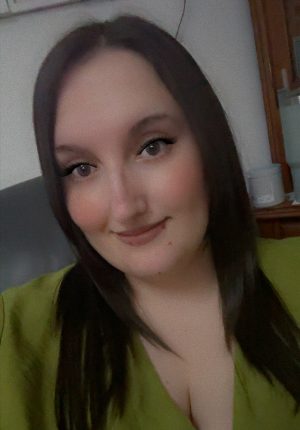
Chelsea Billingham was a teenager when she began experiencing headaches.
At first, there seemed to be plenty of possible explanations. She was studying for exams, she was told she might be dehydrated or anaemic, and her symptoms were also put down to hormones.
But Chelsea knew something wasn’t right.
The headaches became progressively worse and she repeatedly sought medical help. She has described feeling as though nobody was really listening to her.
Eventually, things reached a point where they could no longer be explained away.
Chelsea became violently sick, struggled to hold her head up and was having problems with her balance and walking.
Her mum knew something was seriously wrong and pushed for help.
“I just knew there was something seriously wrong with me.”
Chelsea was sent for a CT scan.
It revealed a large mass in her brain. She was just 19 years old.
Watch Chelsea tell her story in full in the Aunty M Brain Tumours Talk Show interview below, or keep reading for the written version.
Being Told She Had a Brain Tumour
The scan showed a brain tumour measuring around 6cm.
Chelsea was transferred to the Queen Elizabeth Hospital in Birmingham, where suddenly everything was happening very quickly.
Like so many people hearing the words brain tumour for the first time, Chelsea was terrified.
She didn’t know what the tumour was or what it would mean for her future.
But there wasn’t much time to process what was happening.
Chelsea needed brain surgery.
Brain Surgery at 19
Chelsea underwent a major operation to remove the tumour.
Surgeons were able to remove around 90%, but part had to remain because of its position.
The pathology showed that Chelsea had a pilocytic astrocytoma, a low-grade brain tumour.
Chelsea was later told just how serious things had become. The tumour had been pressing on her spinal cord and she was told she had been frighteningly close to paralysis.
Getting through the operation was an enormous milestone.
But waking up after brain surgery was only the beginning of Chelsea’s recovery.
Learning to Walk Again
Recovery was hard.
Chelsea had to relearn everyday skills that most of us never imagine having to think about.
She had to learn to walk again.
She has also spoken about relearning things such as spelling and even cutting up her own food.
At 19, when Chelsea should have been gaining independence, she suddenly found herself relying heavily on her parents again.
She needed around six months away from work while she recovered.
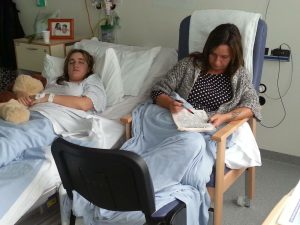
Recovery after brain surgery meant Chelsea having to rebuild skills and independence step by step.
The Emotional Side of Brain Tumour Recovery
Physical recovery was only part of what Chelsea went through.
In our interview, Chelsea talks openly about the emotional impact of suddenly losing her independence, feeling isolated and experiencing depression after surgery.
This is an important part of brain tumour recovery that isn’t always visible from the outside.
People may see that somebody has survived surgery and assume that life simply returns to normal.
But there can be a huge adjustment afterwards — physically, mentally and emotionally.
For Chelsea, finding other people who understood what she had been through became incredibly important.
Finding The Brain Tumour Charity
Chelsea eventually found support through The Brain Tumour Charity.
Meeting other young people affected by brain tumours helped her realise that she wasn’t alone.
For the first time, she was able to talk with people her own age who understood scans, surgery, side effects and the strange reality of trying to get on with everyday life after a brain tumour diagnosis.
Chelsea later became one of The Brain Tumour Charity’s Young Ambassadors.
Turning Her Experience Into Awareness
Chelsea decided to use her own experience to help other people.
As a Young Ambassador, she became involved in raising awareness and supporting campaigns including HeadSmart, which helps people recognise possible signs and symptoms of brain tumours in children and young people.
Her story is particularly powerful because Chelsea repeatedly sought help before her tumour was finally discovered.
Headaches are extremely common and most headaches are not caused by brain tumours.
But Chelsea’s experience is a reminder of the importance of recognising when symptoms are changing, worsening or being joined by other neurological symptoms.
And of listening when someone keeps saying:
Something isn’t right.
Life After Brain Tumour Surgery
Chelsea has continued having MRI scans to monitor the small amount of tumour that surgeons were unable to safely remove.
Her experience has affected many parts of her life, but her brain tumour is only one part of who she is.
What comes through clearly when Chelsea talks about her experience is how much she has had to rebuild — not simply physically, but in terms of confidence and independence too.
And sharing her experience has allowed something incredibly difficult to become a way of helping somebody else feel less alone.
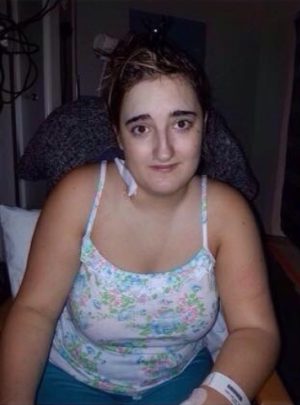
Chelsea continues to share her experience to raise awareness and support other people affected by brain tumours.
About Chelsea’s Tumour: Pilocytic Astrocytoma
A pilocytic astrocytoma is a type of astrocytoma and is usually considered a slow-growing, low-grade brain tumour.
It is most commonly diagnosed in children and young adults. Treatment depends on factors including where the tumour is located and whether it can safely be removed. Surgery is often the main treatment.
For Chelsea, treatment included:
- Brain surgery
- Rehabilitation after surgery
- Ongoing MRI monitoring
The term low grade does not mean that a brain tumour cannot have a serious impact. Its location and the pressure it places on important areas of the brain can cause significant symptoms.
Read More Astrocytoma Stories
Read more personal Astrocytoma stories on Aunty M Brain Tumours
If You Have Recently Been Diagnosed With an Astrocytoma
If you have landed on this page after an astrocytoma diagnosis, whether it is your own or someone you love, please know you are not alone.
Every astrocytoma story is different.
Astrocytoma’s can vary in grade, location and how they affect a person’s life. Some are slower-growing, while others are more aggressive.
Some people have surgery, radiotherapy or chemotherapy. Others may have regular scans to monitor their tumour. Some experience long-term effects, while others face different challenges during treatment and recovery.
Try not to compare your journey too closely with anyone else’s.
Reading other people’s experiences can offer comfort, understanding and reassurance. However, another person’s diagnosis or outcome does not determine what will happen to you.
Take things at your own pace, ask questions and remember that you do not have to face this journey alone.
Where to Go After an Astrocytoma Diagnosis?
If you or someone you care about has been diagnosed with an astrocytoma, there are organisations offering information, emotional support, practical advice and opportunities to connect with others.
Astro Brain Tumour Fund
A UK charity dedicated to supporting people affected by low-grade gliomas, including Grade 1 and Grade 2 astrocytoma’s.
The charity provides information, opportunities to connect with others and funding for research into low-grade brain tumours.
The Brain Tumour Charity
Provides information about different types and grades of astrocytoma, possible treatments and living with a brain tumour.
It also offers emotional support, support groups and resources for patients, families and carers.
Visit The Brain Tumour Charity
Read its information about astrocytomas
Brainstrust
Offers practical and emotional support to people living with brain tumours, including those affected by low-grade and high-grade gliomas.
Its services include individual support, coaching, information and opportunities to connect with others who understand life with a brain tumour.
Brain Tumour Support
A UK charity providing support for anyone affected by a brain tumour, including patients, families, carers and loved ones.
It offers individual and group support, opportunities to connect with others and specialist emotional support.
Brain Tumour Research
Funds research into brain tumours and campaigns for greater awareness and investment in research.
Its work aims to improve understanding, develop better treatments and ultimately find cures for all types of brain tumours.
NHS Neuro-Oncology and Rehabilitation Services
Your specialist medical team can help you understand your particular astrocytoma diagnosis, treatment options and follow-up care.
Depending on your needs, additional support may include physiotherapy, occupational therapy, speech and language therapy, psychological support or help managing seizures and fatigue.
Ask your GP, specialist nurse or neuro-oncology team about appropriate referrals.
Would You Like to Share Your Astrocytoma Story?
At Aunty M Brain Tumours, we believe every person’s experience deserves to be heard.
Whether you have recently been diagnosed, are undergoing treatment, living with long-term effects or supporting someone you love, your experience could help another person feel less alone.
Find out how to share your brain tumour story

Claire Bullimore is an influential figure in the brain tumour community. She embarked on her brain tumour journey and was diagnosed with an intraventricular meningioma. In response to her experiences, Claire founded ‘Aunty M Brain Tumours,’ a platform dedicated to sharing brain tumour stories. Based in London, England, Claire also identifies as a blogger and speaker for Aunty M Brain Tumours, shedding light on the challenges faced by those diagnosed and amplifying their voices for better awareness and support. Through her dedication and advocacy, Claire’s efforts have been recognized by Brain Tumour Research and other organizations, spotlighting her commitment to making a positive difference for individuals impacted by brain tumours.