
“I take nothing for granted, I find joy in the simplest of things, and I have a greater empathy for every individual.” — Steve Cox
In 2004, Steve Cox was diagnosed with a 4 cm ependymoma and underwent nine hours of brain surgery. While still recovering, his wife Barbara was diagnosed with a glioblastoma. Their family faced two different brain tumours, life-changing surgery and an unimaginable loss.
When One Brain Tumour Diagnosis Was Followed by Another
There are some stories that stay with you long after you have heard them.
Steve Cox’s is one of those stories.
In January 2004, Steve discovered he had a brain tumour after experiencing months of unusual symptoms. A few weeks later, he underwent a nine-hour operation to remove a 4 cm ependymoma.
The surgery saved his life, but it left him unable to swallow properly, walk or speak clearly. He faced months of rehabilitation, learning how to do things most of us take for granted.
Then, while he was still recovering, his wife Barbara began experiencing symptoms of her own.
An MRI revealed a 6 cm glioblastoma, an aggressive form of brain cancer.
Suddenly, a family that was already trying to cope with one brain tumour diagnosis found itself facing another.
Tragically, Barbara died on 6 November 2006, leaving Steve and their two children to navigate life without her.
When Steve shared his story with Aunty M Brain Tumours in 2020, he spoke openly about his operations, the lasting effects of his ependymoma, the loss of his wife and how writing helped him process everything that had happened.
His story is not simply about surviving a brain tumour. It is about grief, parenthood, changing priorities and finding reasons to appreciate life after unimaginable circumstances.
Months of Hiccups Were the First Sign Something Was Wrong
Steve’s symptoms were unusual.
For several months, he experienced repeated episodes of hiccups.
They would happen several times throughout the day, particularly when he ate or drank something.
At first, it might have seemed like a digestive problem.
But Steve also began noticing strange sensations in his head.
Something did not feel right.
He became increasingly convinced that the hiccups were connected to something other than his stomach.
In January 2004, he visited his GP.
Further investigations were arranged, including an MRI scan.
Shortly after returning home from the scan, Steve’s telephone rang.
It was his neurologist.
The results had revealed a brain tumour.
Steve was told he had an ependymoma, a rare tumour that can develop in the brain or spinal cord.
He needed surgery.
Nine Hours of Brain Surgery for a 4 cm Ependymoma
On 24 February 2004, approximately five weeks after his diagnosis, Steve underwent a nine-hour craniotomy.
His tumour measured around 4 cm.
A craniotomy is an operation in which a neurosurgeon temporarily removes part of the skull to access the brain.
The aim is to remove as much of the tumour as safely possible while protecting surrounding structures.
For Steve, the effects of surgery were immediate and profound.
When he woke up, he could no longer swallow normally.
He also struggled to walk and speak clearly.
Even moving his tongue was difficult.
These were not minor inconveniences.
They affected some of the most basic parts of everyday life.
Eating, drinking, moving around and communicating had suddenly become difficult.
Steve had survived a major brain operation, but recovery would require far more than simply allowing his surgical wound to heal.
Losing the Ability to Swallow After Brain Surgery
One of Steve’s most difficult challenges was losing the ability to swallow properly.
Following the operation, he could barely move his tongue.
Eating became extremely difficult, and doctors inserted a feeding tube directly into his stomach so he could receive nutrition while recovering.
For approximately eight weeks, Steve relied on the tube.
Eventually, his swallowing improved enough for it to be removed.
However, his ability to swallow never returned completely to the way it had been before surgery.
When Steve shared his experiences in 2020, he explained that only the right side of his throat was swallowing food correctly.
It was one of several lasting consequences of his operation.
Swallowing difficulties, sometimes called dysphagia, can occur following certain brain injuries or operations, particularly when structures involved in coordinating swallowing have been affected.
They can make eating and drinking more difficult and may increase the risk of food or fluid entering the airway.
For Steve, relearning how to swallow was only part of his rehabilitation.
He also needed to regain his ability to walk and speak.
Learning to Walk and Speak Again
Before his diagnosis, Steve had lived an active and adventurous life.
He had travelled extensively and enjoyed exploring the world.
After surgery, however, he found himself struggling with movements and everyday activities he had previously taken for granted.
He needed speech therapy, physiotherapy and occupational therapy.
Each played an important role in helping him regain independence.
Speech therapy supported his communication and swallowing difficulties.
Physiotherapy helped him work on walking, movement and balance.
Occupational therapy focused on managing everyday activities and adapting to the changes caused by surgery.
Recovery was gradual.
And while he made progress, some difficulties remained.
The Lasting Effects of Steve’s Ependymoma Surgery
In his 2020 interview, Steve described several long-term symptoms.
The right side of his body, from the top of his head to his foot, continued to have reduced sensation.
It was not completely numb, but he could not feel things as clearly as he could on his left side.
His tongue had never fully recovered, which sometimes caused him to slur his speech.
Balance remained another challenge.
He occasionally fell or bumped into objects.
Steve also experienced significant fluctuations in his blood pressure, sometimes causing him to faint.
One particularly unusual effect involved his ability to sneeze and yawn.
For approximately ten years after surgery, he could feel the urge to sneeze or yawn but was unable to complete the action.
By 2020, he had regained that ability occasionally.
It might sound like a small detail, but it illustrates how complicated the neurological effects of brain surgery can be.
Even years after treatment, people may continue adjusting to changes that others cannot see.
And for Steve, those challenges were about to become only one part of a much larger family crisis.
While Steve Was Recovering, Barbara Began Developing Symptoms
Several months into Steve’s recovery, his wife Barbara began experiencing health problems.
At first, her symptoms seemed relatively ordinary.
She complained that her eyes were bothering her and felt as though she had a sinus infection.
But gradually, other changes became apparent.
Friends noticed that Barbara had started walking with a limp.
She was also losing some of the dexterity in her hands.
This was especially concerning because Barbara was a talented artist.
Being able to use her hands precisely was an important part of her life.
Steve and Barbara arranged an appointment with the family doctor they had both known for years.
The doctor ordered an MRI scan.
The results were devastating.
Barbara had a large brain tumour measuring approximately 6 cm.
It was diagnosed as a glioblastoma, also historically called glioblastoma multiforme or GBM.
Steve had barely begun recovering from his own brain tumour surgery.
Now his wife was facing a diagnosis of brain cancer.
Two Brain Tumours in the Same Family
For Steve, Barbara and their loved ones, the news was almost impossible to comprehend.
How could this happen twice in one family?
The couple had already experienced the fear, uncertainty and disruption caused by Steve’s ependymoma.
Now Barbara needed urgent medical treatment of her own.
Her health began deteriorating rapidly.
She was admitted for emergency brain surgery.
The tumour was approximately the size of an apple, and surgeons worked to remove as much of it as possible.
In an extraordinary coincidence, the neurosurgeon who operated on Barbara was the same doctor who had performed Steve’s operation.
Some of the nurses were the same, too.
Both operations lasted approximately nine hours.
For a family who had already spent so much time in hospital, the familiarity must have been both strange and deeply upsetting.
They knew what brain surgery involved.
They knew how difficult recovery could be.
But Barbara’s diagnosis was different from Steve’s.
Her glioblastoma was an aggressive form of brain cancer.
And despite treatment, her health continued to decline.
Barbara’s Glioblastoma Treatment
Following surgery, Barbara underwent radiotherapy and chemotherapy.
These treatments are commonly used to manage glioblastoma after surgery.
The aim is to treat tumour cells that cannot be safely removed and help control further growth.
Unfortunately, glioblastoma is an aggressive tumour that can be extremely difficult to treat.
Even when surgery removes a substantial amount of tumour tissue, microscopic tumour cells may remain within surrounding brain tissue.
For Barbara, the disease progressed despite treatment.
Meanwhile, Steve continued dealing with the physical consequences of his own operation.
He was recovering from an ependymoma while also watching his wife become increasingly unwell.
Their two children were teenagers.
At an age when most young people are concentrating on school, friends and growing independence, they were living with the reality that both their parents had been diagnosed with brain tumours.
It was an extraordinary amount for one family to face.
Losing Barbara on 6 November 2006
Tragically, Barbara died on 6 November 2006.
Her death left Steve grieving his wife while still adjusting to the long-term effects of his own brain surgery.
It also left their two children without their mother.
For Steve, this was one of the most painful parts of his experience.
He knew how much Barbara loved their children.
He also understood that no matter how hard he tried, he could never completely replace the relationship they had lost.
As a father, he sometimes felt inadequate because he could not fill the space Barbara had left behind.
The grief was complicated by his own health difficulties.
He was trying to find his way forward after brain surgery while also helping his children cope with the loss of their mother.
It is difficult to imagine how overwhelming those years must have been.
But through everything, Steve remained determined to be there for his family.
The Children Steve Calls His Heroes
When Steve was asked who his personal heroes were, his answer was not a famous person or someone widely recognised for their achievements.
It was his children.
Both had been teenagers when their parents received their diagnoses.
Within a relatively short period, their family life had changed completely.
They had watched their father undergo major brain surgery and struggle through recovery.
They had then watched their mother face aggressive brain cancer.
And ultimately, they had to say goodbye to her.
Steve understood how profoundly those experiences had shaped their lives.
He admired their strength and the way they had dealt with circumstances no young person should have to face.
For Steve, his children were a continuing source of pride and motivation.
By 2020, one of his greatest priorities was to remain healthy and pass on as much knowledge and experience as possible to his children and grandchildren.
Life After Brain Surgery and Bereavement
Steve spoke openly about how surviving a brain tumour changed the way he viewed life.
He recognised that some people find their identity closely connected to their career, physical abilities or responsibilities.
When illness changes those things, it can be difficult to know who you are anymore.
A person who once provided for their family may suddenly need help themselves.
Someone who enjoyed sport or physical activities may discover that their body no longer works in the same way.
For Steve, these changes happened alongside bereavement.
He was grieving Barbara while trying to rebuild his own life.
He recognised that people who survive serious illness may experience depression, loneliness and a profound sense of loss.
Sometimes, the hardest part is not the operation itself.
It is learning how to live afterwards.
Appreciating the Small Things
Despite everything he had experienced, Steve spoke about finding happiness in surprisingly ordinary moments.
He enjoyed listening to waves breaking on a beach.
He appreciated walking outside during a snowstorm.
And he found satisfaction in knowing that something he had done might make another person’s life a little better.
His experiences had changed his priorities.
He was less concerned with things he once might have considered important.
Instead, he tried to appreciate the time he had and the people around him.
He also believed his experiences had made him more empathetic.
Having survived a brain tumour and lost his wife to another, he understood that everyone carries experiences that may not be obvious to the outside world.
Writing If You Love Me, Take Me Now
One way Steve began processing everything that had happened was through writing.
He had developed an interest in writing later in life, initially because he wanted to leave something meaningful behind for his family.
But after Barbara’s death, writing became something more personal.
It gave him a way to revisit difficult memories and express emotions he had carried for years.
His experiences eventually became the subject of his book:
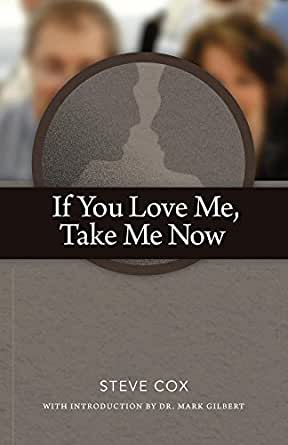
If You Love Me, Take Me Now
The book explores the experiences that changed his family and the emotional impact of two brain tumour diagnoses.
For Steve, writing was cathartic.
It allowed him to begin processing some of the grief, anger and painful memories that had accumulated over time.
He hoped sharing his experiences might also help others facing serious illness or bereavement.
When he spoke to Aunty M Brain Tumours in 2020, Steve was retired and spending much of his time volunteering and writing.
He had also considered writing more books.
His life had been filled with unusual experiences, and he felt there were still plenty of stories worth telling.
My current book is If You Love Me Take Me Now
The Adventurous Life Behind Steve’s Brain Tumour Story
One of my favourite parts of Steve’s interview is discovering just how adventurous his life had been.
Long before his brain tumour diagnosis, he had travelled extensively.
As a teenager, he hitchhiked across America.
He had run with the bulls in Pamplona, Spain.
He had visited every continent except Antarctica.
And during a scuba-diving expedition, he discovered an 18th-century shipwreck and helped recover two historic cannons from the seabed.
These are extraordinary experiences in their own right.
They also remind us how much more there is to someone than their diagnosis.
Steve is not simply an ependymoma survivor or a bereaved husband.
He is a father, grandfather, traveller, writer and someone who has spent much of his life exploring the world.
His brain tumour changed the direction of his life, but it did not erase everything that made him who he was.
Steve’s Advice for Someone Facing a Brain Tumour Diagnosis
Having experienced both his own brain tumour and Barbara’s glioblastoma, Steve had important advice for patients and families.
His experiences taught him how overwhelming a diagnosis can be, particularly when medical decisions need to be made quickly.
Consider Getting a Second Opinion
Steve encouraged people to seek a second or even third medical opinion when appropriate.
Brain tumours can be complicated, and different specialists may be able to provide additional information about treatment options.
For someone facing major surgery, having a clear understanding of the diagnosis and proposed treatment can help them make more informed decisions.
Find a Medical Team You Trust
Steve also believed that choosing an experienced hospital and surgical team was important.
The location of a brain tumour and the surrounding structures can make operations particularly complex.
Although no surgeon can guarantee an outcome, specialist experience and careful treatment planning are important considerations.
Steve encouraged people to ask questions and make sure they understood the potential benefits and risks of treatment.
Take Someone to Medical Appointments
One of Steve’s strongest recommendations was to have another person involved.
It might be a partner, friend, relative or someone else you trust.
Receiving frightening medical information can make it difficult to remember everything discussed.
A trusted person can help by taking notes, asking questions and remembering details that might otherwise be forgotten.
They can also provide reassurance and practical support when decisions feel overwhelming.
Recognise That Recovery May Change Your Life
Steve wanted people to understand that surviving a brain tumour does not always mean returning to life exactly as it was before.
There may be lasting effects, changes to independence or adjustments that take time to accept.
He understood how difficult this could be because he had experienced it himself.
His message was not that everyone should simply remain positive.
It was that people may need time, support and understanding while discovering how to live with changes they never expected.
What Is an Ependymoma?
An ependymoma is a rare tumour of the central nervous system that can develop in the brain or spinal cord.
Ependymomas are associated with cells lining the fluid-filled spaces of the brain and the central canal of the spinal cord.
They can occur in both children and adults.
The effects of an ependymoma depend on several factors, including its location, size and molecular characteristics.
Although some ependymomas grow relatively slowly, their position within the brain or spinal cord can make them difficult to treat.
What Are the Symptoms of an Ependymoma?
Symptoms vary depending on where the tumour is located.
Possible symptoms of an ependymoma in the brain include:
- Persistent or worsening headaches
- Nausea or vomiting
- Dizziness or balance difficulties
- Problems with coordination
- Changes in vision
- Weakness or changes in sensation
- Symptoms associated with increased pressure inside the skull
Tumours affecting the spinal cord may cause back pain, numbness, weakness or problems involving bladder and bowel function.
Steve’s earliest symptom was particularly unusual: repeated episodes of hiccups.
Persistent hiccups are not a typical or specific sign of an ependymoma, but certain neurological conditions can affect the pathways involved in the hiccup reflex.
Steve’s experience illustrates why persistent, unexplained symptoms sometimes require further investigation.
How Is an Ependymoma Treated?
Treatment depends on the tumour’s location, classification, size and the person’s individual circumstances.
Surgery is often the first treatment considered.
The aim is to remove as much of the tumour as safely possible without causing unnecessary damage to surrounding neurological structures.
Some people may need additional radiotherapy or other treatment.
Others may be monitored with follow-up MRI scans.
Rehabilitation can also be an important part of recovery, particularly when treatment has affected movement, swallowing, speech or independence.
Steve’s experiences demonstrate why rehabilitation and long-term support are so important following certain brain tumour operations.
Why Steve and Barbara’s Story Matters
Steve’s story begins with an unusual symptom.
Months of hiccups eventually led to an MRI scan and the discovery of a 4 cm ependymoma.
Nine hours of brain surgery followed, leaving him with swallowing difficulties, changes to his speech, reduced sensation and problems with balance.
He needed rehabilitation to regain abilities most people rarely think about.
But while he was trying to recover, his wife Barbara developed symptoms of her own.
Her diagnosis of glioblastoma changed their family’s lives for a second time.
Despite surgery, chemotherapy and radiotherapy, Barbara died in November 2006.
Steve was left managing his own recovery while supporting their children through the loss of their mother.
Yet his story does not end there.
Through writing, volunteering, family and the simple pleasures of everyday life, Steve gradually found ways to move forward.
His book became an opportunity to share his family’s experiences and process some of the grief he had carried.
One of the most important messages from his interview is that the effects of a brain tumour diagnosis extend far beyond the person receiving treatment.
Partners, children and other family members can experience enormous emotional and practical challenges.
And when treatment finishes, those effects do not necessarily disappear.
Steve’s story reminds us that survivors may need support for years afterwards, whether they are living with neurological changes, adjusting to a different future or coping with bereavement.
It also reminds us how important it is to recognise the whole person behind the diagnosis.
Steve has lived an adventurous life, raised a family, travelled the world and discovered a passion for writing.
He has experienced tremendous loss, but he continues to appreciate the moments that make life meaningful.
Thank you, Steve, for sharing your experiences with Aunty M Brain Tumours and for speaking so openly about Barbara, your children and the realities of living beyond a brain tumour diagnosis.
And in remembering Barbara, we also recognise the countless families whose lives have been changed by glioblastoma.
Read More Ependymoma Stories
Steve’s story is one of several experiences shared by people affected by ependymoma.
Every person’s diagnosis, treatment and recovery is different.
Some experience relatively few long-term effects, while others require extensive rehabilitation and ongoing medical support.
You can also read Kristina Schnack Kotlus’s Posterior Fossa Ependymoma Story, which explores a 16-hour brain operation, tumour recurrence, radiotherapy and living with the long-term effects of treatment.
You may also be interested in our other interviews with people affected by glioblastoma, including the experiences of patients and families navigating diagnosis, treatment and bereavement.
Sharing these stories helps people understand that no two brain tumour journeys are exactly alike.
If You Have Recently Been Diagnosed With an Ependymoma
Receiving a brain tumour diagnosis can be frightening, particularly when you are suddenly faced with medical terms, appointments and decisions you never expected to make.
You do not have to understand everything immediately.
Some things that may help include:
- Writing down questions before medical appointments
- Taking someone you trust to consultations
- Asking your medical team to explain information in plain language
- Discussing any concerns about surgery, treatment or rehabilitation
- Asking about support for swallowing, speech, movement or fatigue if these are affected
- Connecting with people who understand what living with a brain tumour can involve
Every person’s recovery will be different.
Try not to compare your experiences too closely with someone else’s.
And remember that support is available for families and carers as well as patients.
Where to Go After an Ependymoma Diagnosis
The Brain Tumour Charity
https://www.thebraintumourcharity.org/
Provides information about brain tumour types, treatment, recovery and support for individuals and families.
Brainstrust
Offers personalised support for people affected by brain tumours, including help navigating treatment decisions and living with uncertainty.
Brain Tumour Support
https://www.braintumoursupport.co.uk/
Provides practical and emotional support for patients, families and carers.
National Brain Tumor Society (USA)
Provides information about brain tumour research, advocacy and patient support.
National Cancer Institute — Ependymoma
https://www.cancer.gov/rare-brain-spine-tumor/tumors/ependymoma
Offers detailed information about ependymoma diagnosis, symptoms, treatment and research.
Support After Bereavement
If you have lost someone to a brain tumour, you may find bereavement counselling, peer support or specialist grief services helpful.
In the UK, Cruse Bereavement Support offers support for people coping with grief.
Medical disclaimer: This article shares Steve’s personal experiences and provides general information for awareness and peer support. It is not intended to replace medical advice, diagnosis or treatment from qualified healthcare professionals.


Claire Bullimore is an influential figure in the brain tumour community. She embarked on her brain tumour journey and was diagnosed with an intraventricular meningioma. In response to her experiences, Claire founded ‘Aunty M Brain Tumours,’ a platform dedicated to sharing brain tumour stories. Based in London, England, Claire also identifies as a blogger and speaker for Aunty M Brain Tumours, shedding light on the challenges faced by those diagnosed and amplifying their voices for better awareness and support. Through her dedication and advocacy, Claire’s efforts have been recognized by Brain Tumour Research and other organizations, spotlighting her commitment to making a positive difference for individuals impacted by brain tumours.