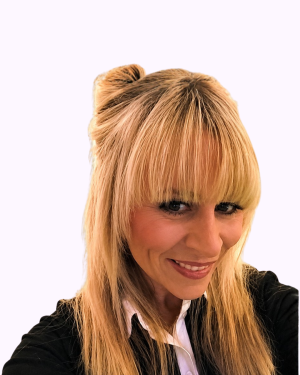
Eight weeks after giving birth to her daughter, singer Sarah Collins collapsed at home.
During her pregnancy, Sarah had experienced headaches and moments of feeling unsteady, but like many new mums she had put them down to pregnancy, tiredness and everything her body was going through.
She had no idea that a large brain tumour was growing inside her head.
Sarah’s collapse led to the discovery of a meningioma and emergency brain surgery.
What followed was a difficult recovery involving seizures, epilepsy and a loss of confidence.
But Sarah also rediscovered something that had always been part of her life:
music.
Singing became much more than a hobby. It became part of Sarah’s recovery and helped her reconnect with herself after brain surgery.
Watch Sarah Tell Her Brain Tumour Story
The Symptoms Sarah Put Down to Pregnancy
Sarah had always been a singer.
She had performed from a young age and continued singing in bands as an adult.
During her pregnancy with her daughter Lily, Sarah began experiencing headaches and occasionally felt unsteady.
There were moments when she knew she didn’t feel quite right.
During one performance, she remembers feeling dizzy and off balance.
But Sarah was pregnant.
Headaches, exhaustion and feeling different in yourself can have many explanations during pregnancy, so she did not immediately think that something neurological could be happening.
After Lily was born, life became even busier.
Sarah was now a mum of two, caring for a newborn and her older son Freddie.
Then, when Lily was just eight weeks old, everything changed.
The Day Sarah Collapsed
Sarah had dropped Freddie off at school when she began feeling very strange.
She remembers the room appearing to flicker, almost like an old film.
Then she collapsed.
Sarah fell and knocked herself unconscious.
She remained there for several hours before her partner Tom came home and found her.
Sarah was rushed to hospital.
Doctors carried out scans — and discovered a large tumour in her brain.
It was approximately the size of a satsuma.
The news was especially frightening because Sarah had a newborn baby and another young child waiting for her at home.
There had been no time to prepare herself for the words brain tumour.
Emergency Brain Surgery
Sarah was transferred for specialist neurosurgical treatment and underwent surgery to remove the tumour.
The tumour was a meningioma.
Sarah was later told that it had been pressing close to an important blood vessel and that discovering it when they did had potentially prevented an even more serious emergency.
Suddenly, the fall that had seemed so frightening had also been the thing that led doctors to find the tumour.
Sarah had survived the operation.
But getting through brain surgery was only the beginning of her recovery.
Recovery Wasn’t as Simple as Going Home
Coming home after brain surgery did not mean life immediately returned to normal.
Sarah’s brain needed time to heal.
She began experiencing seizures and was subsequently diagnosed with epilepsy.
The seizures had a significant impact on her confidence.
Going out could make her nervous.
Social situations that had once felt completely normal suddenly felt different when there was always the possibility of having a seizure.
Sarah was grateful to be alive, but that did not mean recovery was easy.
This is something we often talk about within the brain tumour community.
There can be enormous relief when somebody survives their operation.
But surviving brain surgery and recovering from brain surgery are not necessarily the same thing.
Recovery can take time.
Finding Her Way Back to Singing
Music had always been part of Sarah’s life.
After everything that happened, it became something more.
Her parents gave Sarah the vinyl records she had grown up listening to — the soul, Motown and Northern Soul music that held so many memories for her.
Sarah began singing again.
For those few minutes when she was singing, she could concentrate on the music rather than what had happened to her.
It gave her an escape from appointments, recovery, seizures and anxiety.
Sarah describes music as a kind of therapy for her.
It helped her reconnect with the person she had been before the words brain tumour entered her life.
Starting a YouTube Channel
Eventually Sarah decided to record herself singing some of the songs she loved and share them online.
In 2014, she created a YouTube channel.
What started as part of Sarah’s own recovery began reaching other people.
She shared covers of Northern Soul, Motown and soul classics — often simply singing from home.
People started watching.
Then more people started watching.
Messages arrived from people who loved the music, people who connected with Sarah’s story and people who were going through difficult experiences of their own.
Sarah realised that something which had helped her was beginning to help other people too.
When Music Becomes Part of Healing
Sarah is careful not to suggest that singing somehow treated her brain tumour.
It didn’t.
She needed neurosurgery and medical care.
But music gave Sarah something medicine could not provide in quite the same way.
It gave her enjoyment.
Confidence.
A connection with who she was before surgery.
And somewhere to put her energy when recovery felt difficult.
For Sarah, singing became part of healing emotionally.
It reminds us that rehabilitation and recovery do not always happen entirely inside hospitals or therapy rooms.
Sometimes something familiar — music, painting, writing, gardening, sport or another passion — can help somebody reconnect with themselves after a life-changing diagnosis.
Here is Sarah on her YouTube Channel
From Brain Tumour Recovery Back to Performing
Sarah’s confidence gradually returned.
The woman who had felt nervous about going out because of seizures began performing again.
Her online videos introduced her to an entirely new audience, while her love of Northern Soul and Motown brought opportunities to sing live again.
It was something Sarah could hardly have imagined during those early days after brain surgery.
Her tumour experience changed her life permanently.
But it also changed the way Sarah thought about the time she had.
She became determined not to keep putting off the things she loved.
Living With Epilepsy After Brain Surgery
Sarah’s recovery has not meant completely leaving the effects of her brain tumour behind.
She continues to live with epilepsy and takes medication to control her seizures.
Like many people living with the long-term effects of a brain tumour or its treatment, Sarah has had to learn what her brain can cope with and recognise when she needs to slow down.
It is another reason her story is important.
A successful operation does not always mean somebody walks out of hospital and simply returns to the life they had before.
Sometimes there is a new normal to understand.
A Different Outlook on Life
Sarah’s experience has understandably changed the way she sees life.
When you suddenly discover that something serious has been growing inside your head without you knowing, everyday worries can begin to look very different.
Sarah talks about feeling incredibly lucky to be alive.
She is grateful that she can watch Freddie and Lily grow up.
And she is determined to enjoy the things she loves rather than continually waiting for the “right” time.
Her experience has given her a simple message:
Don’t hesitate to do what you love.
Can Singing Help With Brain Tumour Recovery?
There is no single way to recover after a brain tumour.
Rehabilitation depends on the individual, the tumour, where it was located, the treatment they received and the difficulties they experience afterwards.
Singing is not a treatment for a brain tumour.
But music can be important for emotional wellbeing, confidence, enjoyment and social connection, and specialist music therapy may also be used within some healthcare and rehabilitation settings.
For Sarah, singing gave her something particularly important after surgery:
a part of herself back.
Her experience is personal to her, but it shows why recovery can involve much more than scans and hospital appointments.
About Sarah’s Tumour: Meningioma
A meningioma develops from the meninges — the layers of tissue that surround the brain and spinal cord.
Most meningiomas are low grade and grow slowly, but their effects can vary considerably depending on their size and where they are growing.
Some small meningiomas can be monitored with regular scans.
Others may need treatment because of their size, growth or symptoms.
Treatment can include surgery, monitoring or radiotherapy depending on the individual tumour.
Sarah’s tumour was large and causing significant pressure, so she needed surgery.
Read More Meningioma Stories
https://auntymbraintumours.com/category/meningioma-stories/
If You Have Recently Been Diagnosed With a Meningioma
If you have landed on this page after a meningioma diagnosis, whether it is your own or someone you love, please know you are not alone.
Every meningioma story is different.
Meningiomas can vary in grade, size and location. Some people are monitored with regular MRI scans and may never need treatment. Others have surgery, radiotherapy or a combination of treatments.
Some people experience seizures, headaches, problems with vision, balance, fatigue, memory or other neurological changes, while others have very few symptoms.
Most meningiomas are slow-growing and non-malignant, but that does not mean they cannot have a significant impact. Where a tumour is growing and which parts of the brain, nerves or blood vessels it affects can make a big difference to someone’s experience.
Try not to compare your journey too closely with somebody else’s.
Another person’s meningioma story cannot predict your own.
And you do not have to walk this road alone.
Where to Go After a Meningioma Diagnosis
If you have been diagnosed with a meningioma, there are organisations that can offer reliable information, emotional support and practical advice to you and your family.
They are here to help you live life with a brain tumour.
Offers support services, counselling, information and community groups for patients and families.
Here for everyone affected by a brain tumour
Funds research into brain tumours and campaigns for increased awareness and investment.
NHS Neuro-Oncology and Rehabilitation Services
Your neurosurgical or neuro-oncology team can explain what your particular meningioma diagnosis means and what follow-up care may be appropriate.
Depending on your individual needs, support may include physiotherapy, occupational therapy, speech and language therapy, neuropsychology or psychological support.
If you are struggling with ongoing effects after your diagnosis or treatment, ask your GP, clinical nurse specialist or hospital team what support and rehabilitation may be available to you.


Claire Bullimore is an influential figure in the brain tumour community. She embarked on her brain tumour journey and was diagnosed with an intraventricular meningioma. In response to her experiences, Claire founded ‘Aunty M Brain Tumours,’ a platform dedicated to sharing brain tumour stories. Based in London, England, Claire also identifies as a blogger and speaker for Aunty M Brain Tumours, shedding light on the challenges faced by those diagnosed and amplifying their voices for better awareness and support. Through her dedication and advocacy, Claire’s efforts have been recognized by Brain Tumour Research and other organizations, spotlighting her commitment to making a positive difference for individuals impacted by brain tumours.

Would love to see a video tutorial on this exact workflow.
Thanks for putting this together! Extremely well structured.