Living Beyond a Craniopharyngioma: Paris Dancy’s Journey Through Brain Surgery, Cushing’s Disease and Finding Purpose
“I had to rebuild my entire life. My foundation, my beliefs… everything changed.”
Receiving a brain tumour diagnosis changes your life in an instant.
For Paris Dancy, what began as headaches, unexplained weight gain and exhaustion eventually led to the discovery of a tumour growing close to his pituitary gland. His journey would include brain surgery, Gamma Knife radiosurgery, hormone problems, Cushing’s Disease, depression, anxiety and learning how to build an entirely new life.
Today, Paris uses those experiences to help others improve their mental wellbeing and quality of life.
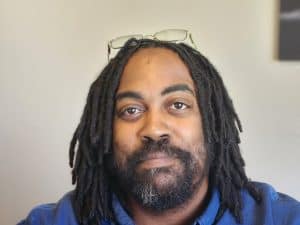
If you’d rather listen than read, you can watch my full interview with Paris below.
When Something Didn’t Feel Right
Looking back, Paris says his symptoms began in 2013.
Initially, he blamed stress from his demanding job as an investigator. But as the months passed, his body began changing in ways he couldn’t explain.
He gained significant weight despite exercising regularly with his wife.
Headaches became more frequent.
His lower back became increasingly stiff.
His energy disappeared.
His wife, who works in healthcare, noticed something even more concerning.
His eyes appeared to be bulging.
Doctors initially diagnosed low testosterone and prescribed steroid treatment. Instead of improving, Paris’s symptoms became progressively worse.
Eventually he developed fluid around his heart and struggled to breathe.
An MRI finally revealed the cause.
There was a tumour growing close to his pituitary gland.
“I was relieved… but then I thought, what is this?”
A Rare Brain Tumour
The tumour was pressing against Paris’s optic nerves.
His neurosurgeon explained that surgery couldn’t wait.
Rather than medication, surgery was the safest option because of the tumour’s location and the risk to his eyesight.
Paris underwent transsphenoidal surgery — an operation performed through the nose to reach the pituitary region.
However, once surgeons were operating, they discovered the tumour was larger than expected.
After removing as much as possible, they recommended Gamma Knife radiosurgery a month later to treat the remaining tumour.
Facing Gamma Knife Treatment
Like many people, hearing the word “radiation” was frightening.
Fortunately, Paris found the treatment far less daunting than he had imagined.
Although the head frame caused discomfort afterwards, the actual procedure was straightforward and completed as an outpatient.
For Paris, the worst part wasn’t the treatment itself.
It was the headache afterwards.
Living With Cushing’s Disease
Following surgery, Paris also had to cope with hormone problems and was later diagnosed with Cushing’s Disease.
One of the biggest challenges was understanding what was actually causing his symptoms.
Was it the tumour?
The steroid medication?
Or both?
Even today, Paris believes there still isn’t enough awareness about Cushing’s Disease.
“I think there’s a lack of awareness and education when it comes to it.”
Rebuilding His Life
Perhaps the most powerful part of Paris’s story isn’t the surgery.
It’s what happened afterwards.
Like many brain tumour survivors, he experienced depression and anxiety after treatment.
He worried about his future.
Would another tumour develop?
Would his body ever recover?
Would life ever feel normal again?
He also struggled with dramatic physical changes.
Once an athletic man weighing around 230 pounds, hormone changes saw his weight increase to almost 400 pounds.
It affected his confidence, relationships and identity.
Reinventing Who He Was
Instead of trying to return to the person he had been before surgery, Paris made a different decision.
He chose to build someone new.
“I had to rebuild my entire life. My foundation, my belief system… everything changed.”
He believes surviving a brain tumour means accepting that life has changed.
Not giving up.
Not pretending everything is the same.
But learning how to navigate a completely different version of yourself.
For Paris, healing became about improving his quality of life one day at a time.
Finding Strength Through Faith
Throughout the interview, Paris openly speaks about how his Christian faith carried him through some of his darkest moments.
He admits there were times when he questioned why this had happened.
There were moments of anger.
Moments of confusion.
Moments when he couldn’t understand why his life had changed so dramatically.
But over time, he found peace through prayer and a renewed relationship with God.
While every brain tumour journey is unique, many people find strength in different places—whether that’s faith, family, friends, community, or personal determination. Paris found that his faith became an important source of hope during recovery.
Helping Others Recover
Today, Paris works with people who want to rebuild their lives after major setbacks.
Drawing on his experience in mental health, social services and coaching, he now helps others improve their wellbeing and confidence.
His message is simple.
Healing doesn’t stop when the tumour is removed.
Recovery continues long afterwards.
“You have to reinvent who you are.”
Supporting Caregivers
One part of the interview that particularly resonated with me was Paris’s heartfelt appreciation for caregivers.
He spoke emotionally about everything his wife sacrificed throughout his illness.
He believes caregivers rarely receive the recognition they deserve, despite carrying enormous emotional and practical responsibilities.
It’s a reminder that brain tumours affect entire families—not just the person diagnosed.
What Is a Craniopharyngioma?
A craniopharyngioma is a rare, usually benign (non-cancerous) brain tumour that develops near the pituitary gland and hypothalamus at the base of the brain. Although it isn’t cancerous, it can still cause serious health problems because of its location.
Common symptoms include:
- Persistent headaches
- Vision changes or loss
- Hormone imbalances
- Weight gain
- Extreme tiredness
- Growth or puberty problems in children
- Memory or concentration difficulties
Treatment often involves surgery, radiotherapy (including Gamma Knife in some cases), or a combination of both. Because the tumour sits close to structures controlling hormones, many people need lifelong follow-up with endocrinology specialists.
What Is Cushing’s Disease?
Cushing’s Disease is a form of Cushing’s syndrome caused by excessive production of the hormone cortisol due to an ACTH-producing pituitary tumour. More broadly, Cushing’s syndrome can also be caused by long-term steroid medication or, less commonly, adrenal tumours.
High cortisol levels can cause:
- Rapid weight gain, particularly around the abdomen and face
- Muscle weakness
- High blood pressure
- Diabetes or raised blood sugar
- Thin skin and easy bruising
- Mood changes, anxiety or depression
- Fatigue
- Hormone changes
Treatment depends on the underlying cause and may include surgery, medication, radiotherapy or carefully reducing steroid medicines under medical supervision. Because hormone disorders can be complex, ongoing care from an endocrinologist is often an important part of recovery.
Final Thoughts
Paris’s story reminds us that recovery isn’t simply about surviving surgery.
It’s about learning to live again.
His journey shows that healing can involve rebuilding confidence, relationships, identity and purpose alongside physical recovery.
Thank you, Paris, for so openly sharing your story for Brain Tumour Awareness Month and reminding us that even after life’s biggest challenges, there is still hope, growth and the opportunity to help others.
Helpful Resources
- The Brain Tumour Charity – Information about craniopharyngioma
- Pituitary Foundation – Hormone conditions and pituitary tumours
- Endocrine support services in your country
- Aunty M Brain Tumours – More real-life patient stories
Connect with Paris:
Website: GTP.Coach
TikTok: @GTPcoach

Claire Bullimore is an influential figure in the brain tumour community. She embarked on her brain tumour journey and was diagnosed with an intraventricular meningioma. In response to her experiences, Claire founded ‘Aunty M Brain Tumours,’ a platform dedicated to sharing brain tumour stories. Based in London, England, Claire also identifies as a blogger and speaker for Aunty M Brain Tumours, shedding light on the challenges faced by those diagnosed and amplifying their voices for better awareness and support. Through her dedication and advocacy, Claire’s efforts have been recognized by Brain Tumour Research and other organizations, spotlighting her commitment to making a positive difference for individuals impacted by brain tumours.