At just 17 years old, Zach Round was airlifted to hospital after a mountain biking accident. Doctors discovered a golf-ball-sized ganglioglioma during a routine CT scan. What followed was brain surgery, bacterial meningitis, multiple operations and a remarkable journey back to the activities he loved.
The Mountain Bike Accident That Changed Everything
For Zach Round, 16 January 2017 started like an ordinary day.
He was a teenager who loved mountain biking, adventure and pushing himself physically. At 17, he was also a keen American football player with plenty of plans for the future.
But during a mountain bike ride, an ambitious jump went badly wrong.
Zach attempted to jump across a road, misjudged the landing and suffered a serious crash.
The accident was severe enough for him to be airlifted to a trauma centre.
Doctors carried out a CT scan to investigate possible injuries.
That scan revealed something nobody had expected.
Zach had a brain tumour approximately the size of a golf ball.
Until the accident, he had been unaware that a tumour was growing inside his head.
It was eventually diagnosed as a ganglioglioma, a rare type of brain tumour.
The mountain biking accident had been frightening, but it had also led to the discovery of a condition that might otherwise have remained undetected.
When Zach joined me on the Aunty M Brain Tumours Talk Show in January 2024, he spoke about the discovery, his treatment, the complications that followed and how he worked towards rebuilding his life.
His story is about much more than surviving a brain tumour.
It is also about the unexpected challenges of recovery, the importance of family and finding the courage to return to the things that make life worth living.
Diagnosed With a Ganglioglioma at 17
Zach’s diagnosis came as a complete shock.
Unlike many people diagnosed with a brain tumour, he had not been experiencing persistent headaches, seizures or other obvious warning signs.
He had been living an active life, playing football and enjoying mountain biking.
The tumour was discovered only because doctors were checking for injuries following his accident.
A ganglioglioma is a rare tumour that can develop in the brain and is frequently associated with seizures.
However, not everyone experiences noticeable symptoms before diagnosis.
For Zach, the discovery immediately raised frightening questions.
Was the tumour cancerous?
Would he survive?
Would he ever be able to return to sport or live the life he had imagined?
His diagnosis introduced a level of uncertainty that no teenager should have to face.
Further investigations and treatment were needed.
Brain Surgery and the Beginning of a Difficult Recovery
Following his diagnosis, Zach underwent brain tumour treatment that involved major surgery.
Although the tumour had been discovered unexpectedly, the complications following treatment would have a considerable impact on his life.
Instead of returning quickly to his usual activities, Zach found himself facing a series of medical challenges.
His recovery included numerous operations, infections and neurological difficulties.
By the time he shared his story with Aunty M Brain Tumours in 2024, he had undergone approximately 17 surgeries in total.
Importantly, these were not all brain tumour removal operations.
His medical journey also included procedures relating to complications, kidney problems and facial reconstruction.
Each new problem brought another hospital admission, more uncertainty and another period of recovery.
For someone who had previously spent so much time being physically active, it was an enormous adjustment.
Listen to Zach tell his story in full in the Aunty M Brain Tumours Talk Show interview below, or keep reading for the written version.
Developing Bacterial Meningitis After Brain Surgery
One of the most serious complications Zach experienced was bacterial meningitis.
Meningitis is an infection and inflammation of the protective membranes surrounding the brain and spinal cord.
Bacterial meningitis can become life-threatening and requires urgent medical treatment.
For Zach, developing meningitis during his brain tumour journey created another major challenge.
He was already recovering from serious surgery.
Now his body had to deal with a dangerous infection as well.
His treatment and recovery involved further medical care and prolonged periods in hospital.
It was another setback during an already difficult time.
When Recovery Becomes a Series of Setbacks
Zach’s story highlights something that is not always discussed enough when people talk about brain tumour recovery.
Sometimes the operation is only the beginning.
Complications can involve infections, further surgery, rehabilitation and difficulties that were never anticipated before treatment.
For Zach, the journey was not straightforward.
There were moments when one problem seemed to be improving, only for another to appear.
He also faced kidney-related complications and further procedures.
Yet throughout these experiences, Zach tried to retain the sense of humour that had always been part of his personality.
Finding Humour During Difficult Hospital Experiences
One particularly memorable part of Zach’s interview involved the hallucinations he experienced during recovery.
While hallucinations can be frightening or confusing, Zach was able to look back on some of those experiences with humour.
It was a reflection of how he approached much of his journey.
He did not pretend that the medical complications were easy.
But where possible, he found moments to laugh.
Humour became one of the ways he managed circumstances that were often completely outside his control.
For some people living with serious illness, laughter can provide a brief escape from the routine of hospital appointments, treatment and uncertainty.
For Zach, it remained an important part of who he was.
When Brain Tumour Treatment Affected His Face
Another significant challenge involved changes to Zach’s facial movement.
Following his medical complications, he experienced facial nerve difficulties that affected his ability to smile normally.
Facial nerves control many of the muscles used for facial expression.
Damage to these nerves can affect smiling, eye closure and other facial movements.
For Zach, this led to further reconstructive treatment.
He underwent facial reconstruction procedures designed to improve movement and symmetry.
But recovery from facial nerve surgery takes time.
Nerves and muscles may need extensive rehabilitation, and improvements can be gradual.
Learning to Smile Again
For many people, smiling is something that happens naturally.
We rarely think about the complicated movements involved.
But when facial nerve damage changes someone’s smile, it can affect far more than physical appearance.
It may influence confidence, social interactions and the way someone feels about their identity.
Zach approached his facial rehabilitation with the same determination he brought to other parts of his recovery.
He spent time practising movements and working towards improvements.
His experiences also showed that progress was not always immediate.
Rehabilitation could involve many hours of repetition and patience.
Zach eventually began sharing his facial recovery journey online, helping others understand the work involved in rebuilding facial movement.
Living With Double Vision After Brain Tumour Treatment
Zach also experienced ongoing problems with his eyesight.
One difficulty was double vision, also called diplopia.
Double vision can make everyday activities more challenging because the brain receives two images of a single object.
For Zach, it affected how he focused on things around him.
He described adapting by relying more heavily on one eye when necessary.
These changes required adjustments, particularly when taking part in activities that involved speed, movement or careful coordination.
Vision difficulties after brain tumour treatment can have a considerable effect on independence.
They may influence reading, walking, driving, sports or other everyday activities.
For Zach, adapting to these changes became another part of learning how to live after his diagnosis.
Returning to Mountain Biking After His Brain Tumour
One of the most extraordinary parts of Zach’s story is his relationship with mountain biking.
The sport had been responsible for the accident that led to his diagnosis.
Yet it also remained one of the activities that brought him the most happiness.
For some people, returning to the place or activity associated with a frightening experience might seem unimaginable.
But Zach loved mountain biking.
It had always been part of his identity.
And he did not want his brain tumour journey to take it away from him.
Why Mountain Biking Helped Zach
When Zach rides, he has to concentrate completely on what he is doing.
The terrain, speed, obstacles and movements demand his attention.
For him, that intense focus can provide a welcome distraction from the worries and difficulties associated with his medical experiences.
Rather than constantly thinking about hospitals, treatment or physical limitations, he can concentrate on the trail ahead.
Mountain biking also gives him a sense of freedom and enjoyment.
Of course, returning to demanding physical activities after brain surgery requires individual medical advice, particularly when someone has visual or balance difficulties.
Zach’s ability to return to the sport reflects his own circumstances and rehabilitation, not a recommendation that everyone should attempt the same activities.
But for Zach, being able to ride again was an important part of reclaiming his life.
From Learning to Walk Again to Returning to Football
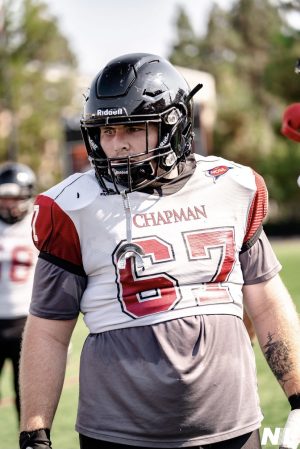
Zach had also been a committed American football player before his diagnosis.
His serious medical complications affected his ability to walk and move normally.
During recovery, he faced a period of rehabilitation that required him to rebuild his physical abilities.
There was a time when returning to competitive sport seemed a long way away.
But Zach was determined to work towards that possibility.
With rehabilitation, encouragement and considerable effort, he gradually rebuilt his strength.
In 2018, his return to football attracted media attention.
The young man who had spent the previous year learning to walk was once again running onto the football field.
It was a significant personal achievement.
For Zach, returning to sport represented more than physical recovery.
It was an opportunity to reconnect with the life he had enjoyed before his diagnosis.
The Importance of Zach’s Family During Recovery
Throughout his medical journey, Zach’s family played an enormous role.
His parents supported him through his diagnosis, surgeries, complications and rehabilitation.
They also advocated for him when he needed medical care and helped him navigate difficult decisions.
Zach spoke particularly warmly about his father and the support he provided.
When someone is seriously ill, family members often become much more than visitors.
They may attend consultations, help remember information, advocate for specialist care and provide support through frightening periods.
Zach understood how much his parents had done for him.
Their involvement helped him through circumstances that would have been extraordinarily difficult to manage alone.
Why Family Advocacy Can Matter
Brain tumour treatment can involve complex information and multiple specialists.
Patients may also be exhausted, frightened or affected by medication and neurological symptoms.
Having someone who understands their wishes and can speak up when necessary can make a real difference.
Zach’s experiences highlight the value of trusted family members and friends during treatment.
They cannot remove every difficulty.
But their presence, encouragement and willingness to ask questions can help patients feel supported.
Why Zach Started Tumor Warrior 67
After everything he experienced, Zach wanted to use his story to help others.
He created Tumor Warrior 67, a platform dedicated to sharing his experiences, connecting with other survivors and encouraging people facing difficult circumstances.
The number 67 comes from his American football number.
It is a meaningful connection to the sport that was such an important part of his life before his diagnosis.
But the platform is about more than football or brain tumours.
Zach wanted to show that people can continue finding purpose and working towards personal goals even after major setbacks.
He began sharing information about his surgeries, rehabilitation, facial reconstruction and return to mountain biking.
By talking openly about these experiences, he hoped to reach people who might be feeling frightened, isolated or uncertain about their future.
Connecting With Other Brain Tumour Survivors
Living with a rare brain tumour can be isolating.
People may struggle to find someone else who has experienced the same diagnosis or treatment complications.
Zach understood this feeling.
Through Tumor Warrior 67, he wanted to connect with other survivors, exchange experiences and offer encouragement.
He hoped that seeing someone else navigate serious medical difficulties might help others feel less alone.
The platform also allowed him to share updates about the challenges that can continue long after initial treatment.
For Zach, awareness was not simply about telling people he had survived a brain tumour.
It was about helping them understand the reality of living afterwards.
Zach’s Message About Facing Life’s Storms
One of the strongest messages from Zach’s interview was his comparison between life’s challenges and storms.
A storm can arrive unexpectedly.
It may cause damage, disrupt plans and leave people wondering how they will move forward.
But eventually, the storm passes.
There may still be damage to repair and changes to accept, but there is also an opportunity to begin rebuilding.
For Zach, this was a way of thinking about everything he had experienced.
His brain tumour diagnosis had arrived completely unexpectedly.
The surgeries and complications that followed disrupted his life in ways he could never have predicted.
Yet with time, rehabilitation, family support and determination, he found ways to return to activities he loved.
He did not suggest that every difficulty would disappear.
Instead, he encouraged others to recognise that circumstances can change and that rebuilding often happens gradually.
Zach’s Advice for People Facing a Brain Tumour Diagnosis
Several important lessons emerged from Zach’s experiences.
Don’t Feel You Have to Manage Everything Alone
Zach recognised how much his parents contributed throughout his journey.
Having trusted people who can support, advocate and help with medical decisions can make an enormous difference.
Find Reasons to Keep Moving Forward
For Zach, mountain biking, football and other personal goals gave him something to work towards.
Not everyone will return to extreme sports or competitive activities.
But meaningful goals, however small, can provide motivation during recovery.
Accept That Rehabilitation Takes Time
Zach’s experiences with walking, vision and facial reconstruction demonstrated that recovery is not always immediate.
Progress may be slow and setbacks can occur.
Working with appropriate rehabilitation specialists can help people develop realistic goals suited to their circumstances.
Share Your Experiences When You Feel Ready
Through Tumor Warrior 67, Zach discovered that sharing his story could help others.
For some people, connecting with a survivor community provides reassurance and understanding that may be difficult to find elsewhere.
There is no obligation to share personal medical experiences publicly, but those who wish to do so can make a meaningful contribution to awareness.
What Is a Ganglioglioma?
A ganglioglioma is a rare tumour of the central nervous system containing both neuronal and glial cell components.
Gangliogliomas can occur in children and adults, although they are often diagnosed in younger people.
Many are low-grade, meaning they generally grow relatively slowly.
However, their location can still cause significant neurological symptoms.
Common Symptoms of Ganglioglioma
Symptoms depend on the tumour’s size and location.
They may include:
- Seizures
- Persistent or worsening headaches
- Changes in vision
- Nausea or vomiting
- Weakness or altered sensation
- Balance or coordination difficulties
Seizures are a particularly common symptom in certain gangliogliomas.
However, not everyone experiences obvious warning signs.
Zach’s tumour was discovered incidentally during investigations following his mountain biking accident.
How Is Ganglioglioma Treated?
Treatment depends on the tumour’s location, characteristics and the individual’s circumstances.
Surgery is often considered when the tumour can be removed safely.
The aim is to remove as much tumour tissue as possible while protecting surrounding healthy brain structures.
Some patients may require further monitoring or additional treatment.
Neurological rehabilitation may also be needed when treatment affects movement, vision or other important functions.
Zach’s experience highlights how the long-term effects and complications of treatment can sometimes become a major part of the recovery journey.
What Zach’s Ganglioglioma Story Teaches Us
Zach Round was 17 when a serious mountain biking accident led to the discovery of a brain tumour.
He had not been experiencing obvious symptoms.
The diagnosis came unexpectedly, and the complications that followed changed the direction of his life.
Brain surgery, bacterial meningitis, kidney-related difficulties, facial reconstruction and problems with his vision all became part of his medical journey.
He underwent numerous operations and faced a demanding rehabilitation process.
But Zach did not want his experiences to be the only thing that defined him.
He was still an athlete.
He still loved mountain biking.
And he still wanted to help other people.
With the support of his family and medical teams, Zach gradually worked towards returning to the activities he enjoyed.
He also created Tumor Warrior 67 to share his experiences and connect with people facing their own challenges.
Perhaps the most important message from his interview is that brain tumour recovery does not always mean returning to exactly the life someone had before diagnosis.
Sometimes it means learning how to manage new difficulties, adapting to physical changes and finding different ways of doing the things that matter.
There may be moments of frustration, fear and uncertainty.
But there can also be opportunities for connection, personal achievement and enjoyment.
Zach’s story reminds us why it is important to listen to people living with the long-term effects of brain tumours.
Surviving the diagnosis is only one part of the journey.
Thank you to Zach Round for sharing his experiences with Aunty M Brain Tumours and for speaking so openly about his surgeries, recovery and determination to keep doing the things he loves.
This article reflects Zach’s experiences as shared in January 2024 and does not represent an update on his current medical circumstances.
Watch Zach Round’s Ganglioglioma Interview
In this episode of the Aunty M Brain Tumours Talk Show, Zach shares his experiences of discovering a ganglioglioma following a mountain biking accident, undergoing numerous operations and adapting to life after brain tumour treatment.
Watch the full interview: https://youtu.be/xse5TYkw1tU
[Embed the YouTube interview here.]Connect With Zach Round
Zach created Tumor Warrior 67 to share his experiences, document his recovery and connect with people facing serious challenges.
Website: https://tumorwarrior67.com/
His website includes personal updates about rehabilitation, mountain biking and life after brain tumour treatment.
Read More Ganglioglioma Stories
Zach’s experience is one of several different journeys following a ganglioglioma diagnosis.
Some people are diagnosed after seizures, while others discover their tumour during investigations for an unrelated injury or condition.
You can also read Garrett Miller’s Ganglioglioma Story, which explores childhood brain surgery, epilepsy, physical rehabilitation and the importance of psychological support.
Every diagnosis and recovery experience is different, but hearing from others can help people feel less alone.
Where to Go After a Ganglioglioma Diagnosis
If you or someone you care about has been diagnosed with a ganglioglioma, these organisations offer reliable information, emotional support and practical guidance.
The Brain Tumour Charity
https://www.thebraintumourcharity.org/
Provides information about brain tumours, diagnosis, treatment and life after treatment.
Brainstrust
Offers personalised support to people affected by brain tumours and their families.
Brain Tumour Support
https://www.braintumoursupport.co.uk/
Provides practical and emotional support for people living with brain tumours.
National Brain Tumor Society (USA)
Provides information about brain tumour research, awareness and support.
Your Specialist Medical Team
People living with the long-term effects of brain tumour treatment may benefit from support involving neurosurgery, neuro-oncology, ophthalmology, physiotherapy or other rehabilitation services.
Speak with your medical team about appropriate follow-up care, visual difficulties or ongoing neurological symptoms.
Medical disclaimer: This article shares Zach’s personal experiences and provides general information for awareness and peer support. It is not intended to replace medical advice from qualified healthcare professionals.

Claire Bullimore is an influential figure in the brain tumour community. She embarked on her brain tumour journey and was diagnosed with an intraventricular meningioma. In response to her experiences, Claire founded ‘Aunty M Brain Tumours,’ a platform dedicated to sharing brain tumour stories. Based in London, England, Claire also identifies as a blogger and speaker for Aunty M Brain Tumours, shedding light on the challenges faced by those diagnosed and amplifying their voices for better awareness and support. Through her dedication and advocacy, Claire’s efforts have been recognized by Brain Tumour Research and other organizations, spotlighting her commitment to making a positive difference for individuals impacted by brain tumours.