Read More Meningioma Stories
https://auntymbraintumours.com/category/meningioma-stories/
If You Have Recently Been Diagnosed With a Meningioma
If you have landed on this page after a meningioma diagnosis, whether it is your own or someone you love, please know you are not alone.
Every meningioma story is different.
Meningiomas can vary in grade, size and location. Some people are monitored with regular MRI scans and may never need treatment. Others have surgery, radiotherapy or a combination of treatments.
Some people experience seizures, headaches, problems with vision, balance, fatigue, memory or other neurological changes, while others have very few symptoms.
Most meningiomas are slow-growing and non-malignant, but that does not mean they cannot have a significant impact. Where a tumour is growing and which parts of the brain, nerves or blood vessels it affects can make a big difference to someone’s experience.
Try not to compare your journey too closely with somebody else’s.
Another person’s meningioma story cannot predict your own.
And you do not have to walk this road alone.
Where to Go After a Meningioma Diagnosis
If you have been diagnosed with a meningioma, there are organisations that can offer reliable information, emotional support and practical advice to you and your family.
They are here to help you live life with a brain tumour.
Offers support services, counselling, information and community groups for patients and families.
Here for everyone affected by a brain tumour
Funds research into brain tumours and campaigns for increased awareness and investment.
NHS Neuro-Oncology and Rehabilitation Services
Your neurosurgical or neuro-oncology team can explain what your particular meningioma diagnosis means and what follow-up care may be appropriate.
Depending on your individual needs, support may include physiotherapy, occupational therapy, speech and language therapy, neuropsychology or psychological support.
If you are struggling with ongoing effects after your diagnosis or treatment, ask your GP, clinical nurse specialist or hospital team what support and rehabilitation may be available to you.

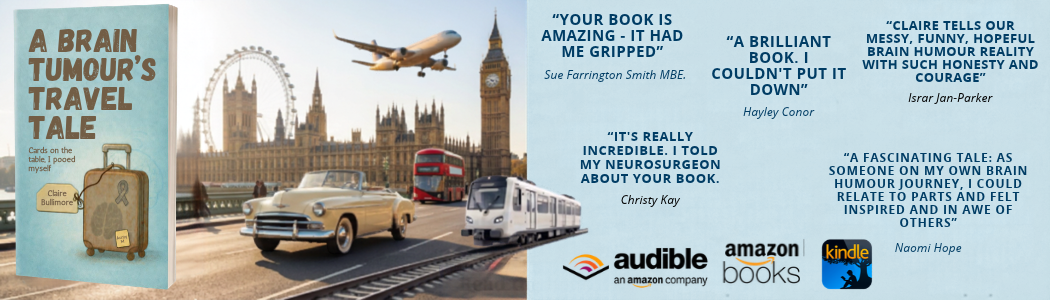
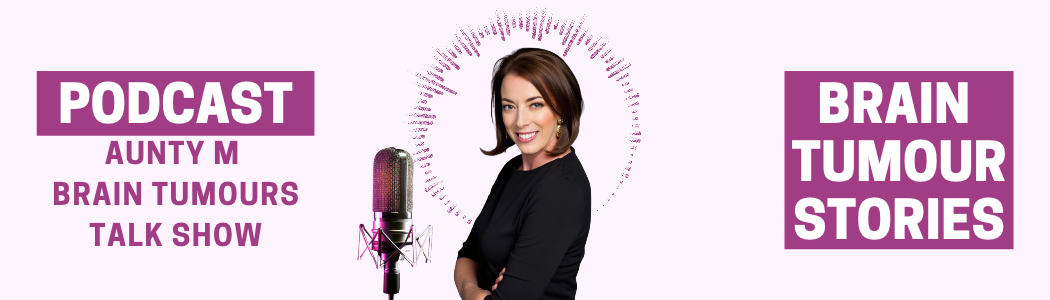
Claire Bullimore is an influential figure in the brain tumour community. She embarked on her brain tumour journey and was diagnosed with an intraventricular meningioma. In response to her experiences, Claire founded ‘Aunty M Brain Tumours,’ a platform dedicated to sharing brain tumour stories. Based in London, England, Claire also identifies as a blogger and speaker for Aunty M Brain Tumours, shedding light on the challenges faced by those diagnosed and amplifying their voices for better awareness and support. Through her dedication and advocacy, Claire’s efforts have been recognized by Brain Tumour Research and other organizations, spotlighting her commitment to making a positive difference for individuals impacted by brain tumours.