JAMIE TALKS ABOUT HER SYMPTOMS, ASTROCYTOMA DIAGNOSIS AND TREATMENT.
Jamie’s Story
– Jamie recounts her initial battle with a traumatic brain injury in 2005 following a severe allergic reaction to peanuts, leading to an anoxic brain injury.
– After recovering from her initial injury, Jamie faced a new challenge in 2021 when a routine check-up revealed a mass in her frontal lobe, later diagnosed as a grade two astrocytoma.
Diagnosis and Decision-Making
– Jamie discusses the emotional and physical toll of her diagnosis, the decision to undergo a biopsy, and the subsequent choice of treatment options.
Treatment: Laser Ablation Surgery
– The episode explores Jamie’s decision to undergo laser ablation surgery, a less invasive procedure that allowed for a quicker recovery and less time away from her family.
Post-Surgery Recovery and Challenges
– Jamie shares her recovery experience, including the rapid discharge from the hospital and the adjustments she had to make during her recovery period.
Support Systems
– The importance of support from family, friends, and the broader community is highlighted. Jamie shares how her husband, children, and mother provided her with strength and motivation.
Second Opinions and Medical Advances
– Jamie emphasizes the value of seeking second opinions and staying informed about medical advancements, which played a crucial role in her treatment decision.
Living with a Brain Tumour
– The episode touches on the ongoing challenges and uncertainties of living with a brain tumour, including the possibility of recurrence and the impact on mental health.
Key Takeaways:
– The importance of awareness and research funding for brain tumours.
– The value of a strong support system and community resources.
– The critical role of second opinions and staying informed about treatment options.
– The advancements in medical technology that offer hope to those diagnosed with brain tumours.
Closing Thoughts
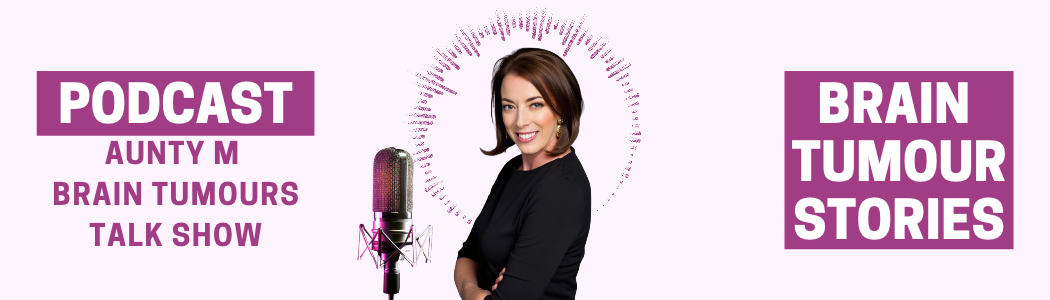
– Claire concludes the episode by thanking Jamie for her openness and courage in sharing her story. She encourages listeners to support brain tumour research and to reach out to those affected by brain tumours with compassion and understanding.
Key Takeaways:
1. Awareness and Advocacy: Brain tumours can affect anyone, and there’s a critical need for increased funding and research to improve patient outcomes.
2. Community and Support: The journey through diagnosis, treatment, and recovery from a brain tumour is challenging. Support from family, friends, and specialized support groups can provide invaluable comfort and assistance.
3. Medical Advancements: The field of neurology is rapidly advancing, offering new hope and treatment options for brain tumour patients. Staying informed and seeking multiple opinions is crucial.
4. Resilience and Hope: Jamie’s story is a testament to the human spirit’s resilience in the face of life-altering diagnoses. There is always hope, and advancements in medical science continue to improve the quality of life and outcomes for patients.

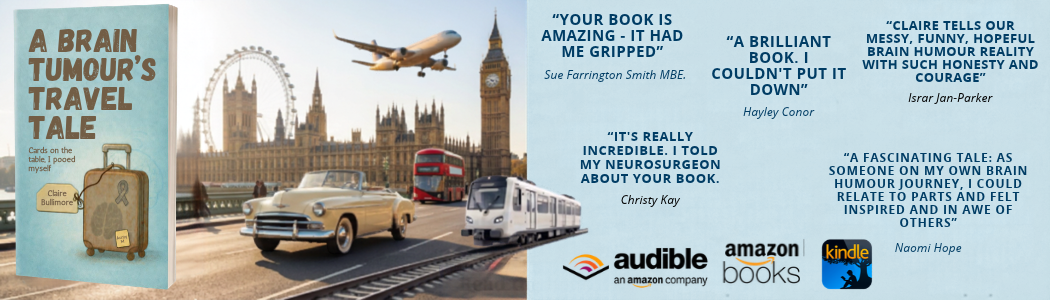
Claire Bullimore is an influential figure in the brain tumour community. She embarked on her brain tumour journey and was diagnosed with an intraventricular meningioma. In response to her experiences, Claire founded ‘Aunty M Brain Tumours,’ a platform dedicated to sharing brain tumour stories. Based in London, England, Claire also identifies as a blogger and speaker for Aunty M Brain Tumours, shedding light on the challenges faced by those diagnosed and amplifying their voices for better awareness and support. Through her dedication and advocacy, Claire’s efforts have been recognized by Brain Tumour Research and other organizations, spotlighting her commitment to making a positive difference for individuals impacted by brain tumours.